Iran signals internet blackout may be eased as state TV hacked
Iranian officials say the nationwide internet shutdown could be eased in coming days, raising questions about casualty verification and severe economic disruption.

Ebrahim Azizi, head of parliament’s National Security and Foreign Policy Committee, said top security bodies would decide on restoring internet "in the coming days" and that service would resume "as soon as security conditions are appropriate." The comments came as monitors continued to record only minimal connectivity and state television briefly broadcast an apparent hack that underscored fraying government control.
The communications blackout began in the evening of 8 January at about 20:30 IRST, when authorities disconnected Iran’s National Information Network and largely severed international and domestic connectivity. Monitoring groups NetBlocks and the Georgia Institute of Technology outage database registered a near‑nationwide outage, and the shutdown affected international internet links as well as domestic landline and mobile telephone services. The interruption coincided with a violent government crackdown on protests that began in late December and have been described by officials and observers as the worst unrest since the 1979 revolution.
Authorities have signaled a phased rollback. By 17 January, officials announced SMS and text messaging had been restored nationwide as a first phase; local sources reported resumption of Iranian messaging platforms such as Eita and Bale. Independent monitors, however, said overall connectivity remained at around a few percent of normal levels, with evidence of a heavily filtered "filternet" allowing limited domestic traffic while keeping international access restricted. Short, intermittent restorations and relapses continued through the weekend, suggesting authorities are testing a managed national network rather than returning to full open access.
The blackout has complicated independent verification of alleged abuses. Human rights groups say material continued to filter out despite restrictions. Norway‑based Iran Human Rights reported it had verified 3,428 deaths by security forces using sources inside Iran’s health and medical systems, witnesses and independent sources, while Amnesty International said it had authenticated dozens of videos and accounts documenting mass killings. Other higher estimates have circulated but cannot be independently verified because of the communications curbs.
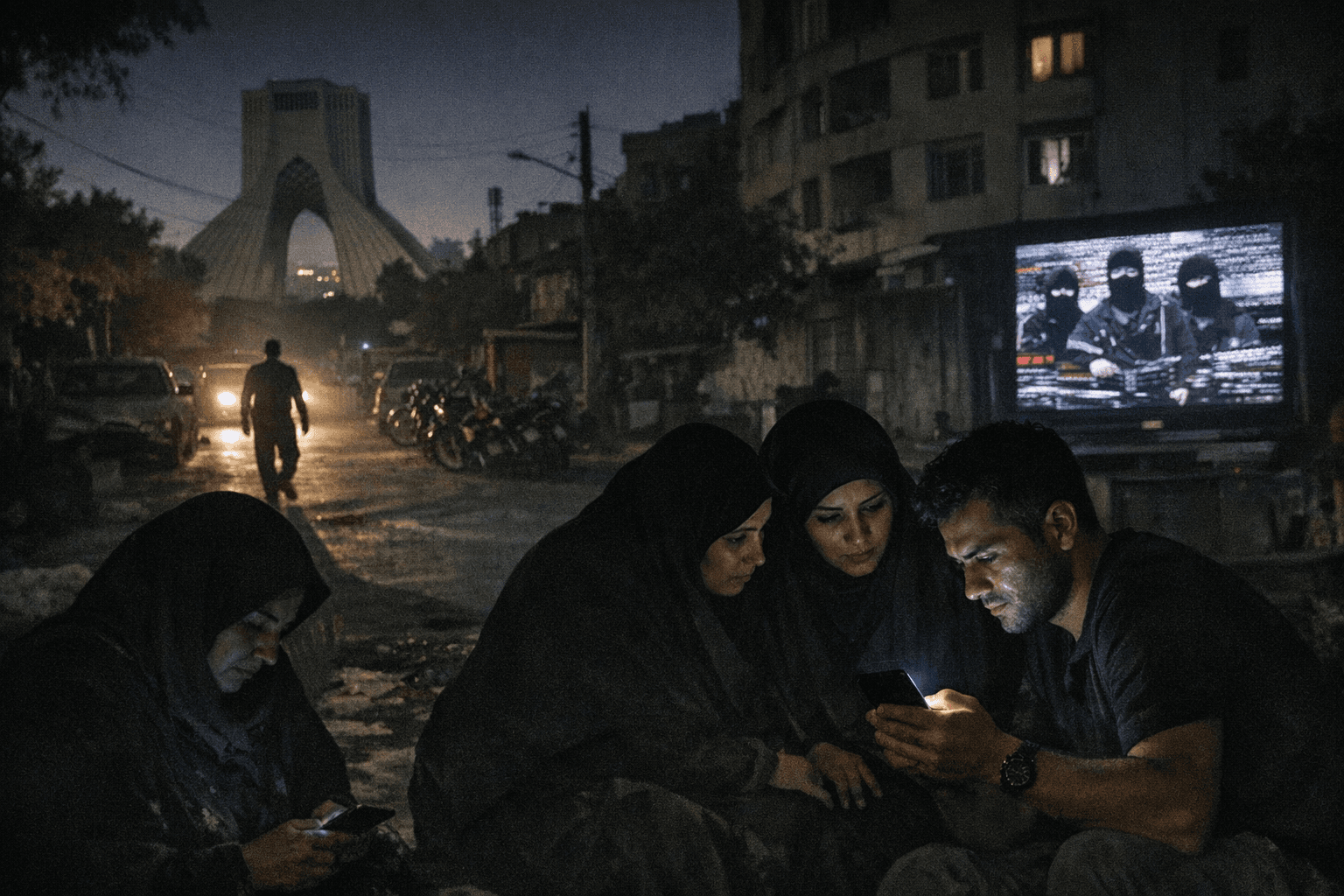
Late on Sunday, state television was apparently breached and briefly broadcast speeches attributed to U.S. President Donald Trump and to Reza Pahlavi, the exiled son of Iran’s last shah, with an on‑screen headline reading "the real news of the Iranian national revolution." The intrusion lasted several minutes and highlighted operational vulnerabilities inside state media.
Officials have defended the shutdown as a security measure to "significantly weaken the internal connections of opposition networks abroad" and to disrupt what they described as "terror cells." Hardline lawmakers urged stricter controls over cyberspace, echoing long‑standing concerns about online dissent. Fars News Agency reported the chief executive of Irancell was dismissed for failing to comply with the shutdown order. Iran’s president warned an attack on the supreme leader would be "a declaration of war," a comment framed as a response to calls from abroad to seek new leadership in Tehran.
Economic costs are mounting. The blackout has disrupted commerce, banking interfaces and communications that firms and state energy contractors rely on, compounding existing strains from sanctions and weak growth. With connectivity metrics near historical lows, analysts warn investor confidence and state revenues could suffer further if services are not fully restored. Key follow‑ups include the timetable for full international connectivity, independent verification of casualty figures, and an official investigation into the television breach and reported telecom dismissals.
This article was produced by Prism’s automated news system from verified source data, official records, and press releases, then run through automated quality and moderation checks before publishing. The system is built and supervised by the people who set the standards it runs under. Read our full AI policy.
Did this article answer your question?


