Iran strikes commercial ships in Strait of Hormuz, raising oil fears
Three ships were hit in the Strait of Hormuz, including a Qatari LNG tanker, as U.S. retaliation and fresh oil fears rippled through global shipping.

The Islamic Revolutionary Guard Corps hit three commercial vessels in the Strait of Hormuz over two days, pushing the confrontation with Washington into a more dangerous phase and rattling the world’s most important oil chokepoint. The waterway has historically carried about a fifth of global oil and natural gas trade in peacetime, and the attacks took place in or near Omani territorial waters along a route often used by ships hugging the Omani shore.
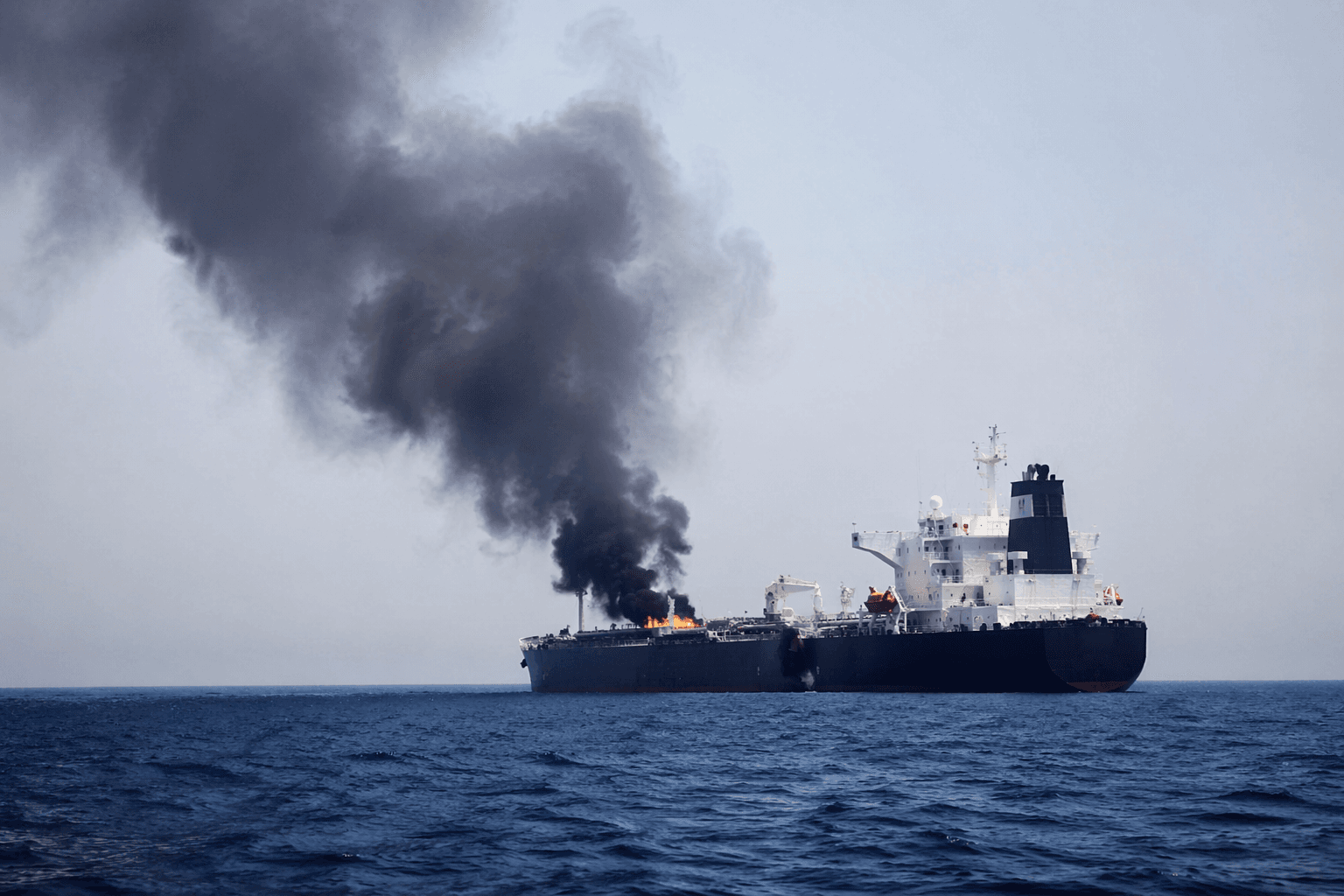
U.K. Maritime Trade Operations said one tanker off Limah, Oman, caught fire after being struck by a projectile, while two other ships sustained damage and kept moving. No injuries were reported. U.S. officials said at least two missiles hit commercial ships on Monday night and that the Islamic Revolutionary Guard Corps struck a third vessel on Tuesday morning. One of the ships was a Qatari liquefied natural gas tanker, the first time a Qatari LNG vessel has been hit since the war began in February.
U.S. Central Command responded with retaliatory strikes on Iran and called the assaults on civilian shipping a “clear violation” of the ceasefire and the interim U.S.-Iran understanding. Washington also revoked a temporary sanctions license that had authorized some Iranian oil sales, adding to the market reaction as oil prices jumped sharply.
Qatar condemned the attack on its tanker and said Iran would be legally responsible. The incidents came as efforts to reopen the Strait of Hormuz remained under strain and U.S.-Iran negotiations stayed on hold. Maritime monitors described the assaults as the most in a single day since late April, a sign that the campaign against commercial shipping had broadened beyond isolated incidents.
The timing also overlapped with mourning events in Iran for former Supreme Leader Ayatollah Ali Khamenei, who was killed in U.S.-Israeli strikes on Feb. 28, the first day of the war. With tankers still threading one of the most heavily trafficked energy routes on earth, the attacks raised the stakes for global shipping security and for the fragile ceasefire framework trying to keep the conflict from spreading further.
This article was produced by Prism’s automated news system from verified source data, official records, and press releases, then run through automated quality and moderation checks before publishing. The system is built and supervised by the people who set the standards it runs under. Read our full AI policy.
Did this article answer your question?