Iran, US end Doha talks with no progress on peace deal
Doha talks ended with Iran and the United States still split over Hormuz, frozen funds and nuclear limits, leaving the ceasefire fragile.
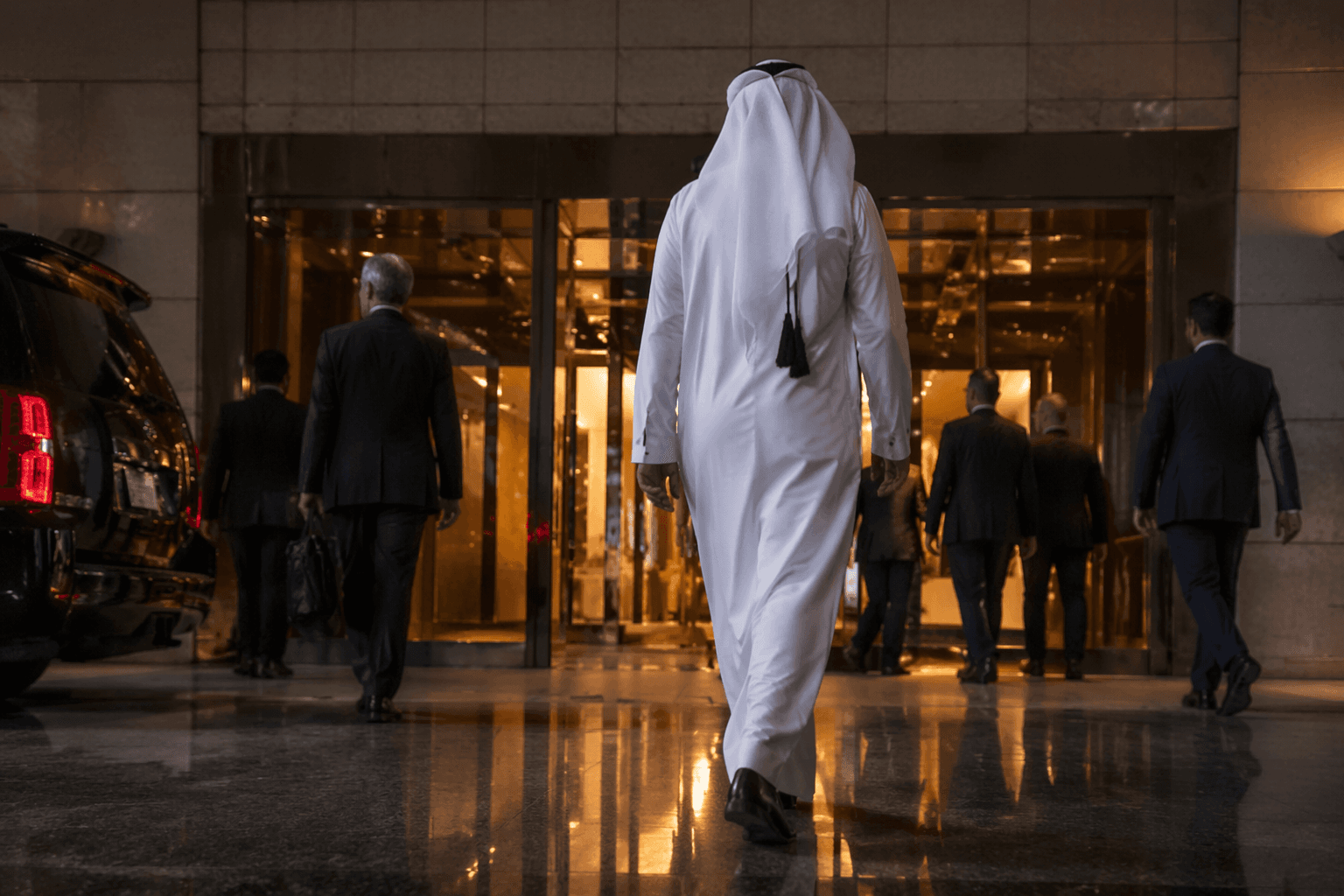
The Strait of Hormuz was the hardest sticking point in Doha, where Iran and the United States left with no visible progress on a lasting peace arrangement. The indirect talks were still stuck on the terms of the truce itself, and Iranian officials made clear that any discussion of limits on Iran’s nuclear program would have to wait until the ceasefire details were settled.
Qatar again served as the main intermediary, and no direct Iran-U.S. meeting was planned in Doha. On one side, Tehran was unwilling to sit down face to face with top American envoys who had flown to the region after the fighting began. On the other, the White House sent Jared Kushner and envoy Steve Witkoff for high-level talks, even as Iran and Qatar kept the contacts mediated rather than direct.

The hardest sticking point was the Strait of Hormuz, where the talks centered on maritime traffic and the unfreezing of Iranian funds held in Qatar. Mohammed Baqer Qalibaf said on Iranian state television that traffic in the waterway was subject to Iran-Oman arrangements. JD Vance rejected the idea that Iran could charge tolls on ships using the strait, saying it should remain open “toll free” and that Iran would not be allowed to collect tolls.
About 25% of the world’s seaborne oil trade passes through the Strait of Hormuz, according to the International Energy Agency, while about 20% of global LNG trade crossed it in 2024, according to the U.S. Energy Information Administration. The EIA put average oil flows through the passage at about 20 million barrels per day that year, with roughly 93% of Qatar’s LNG exports and 96% of the UAE’s LNG exports relying on the route.
Qatar’s prime minister reaffirmed the country’s mediation role as the talks continued, but the next round was pushed back because of funeral processions for Iran’s late Supreme Leader Ayatollah Ali Khamenei, whose burial was set for July 9.
This article was produced by Prism’s automated news system from verified source data, official records, and press releases, then run through automated quality and moderation checks before publishing. The system is built and supervised by the people who set the standards it runs under. Read our full AI policy.
Did this article answer your question?