Iran, US face fresh talks as Hormuz tensions rattle oil markets
Oil traders swung back to fear as Trump and Tehran sent mixed signals on Doha talks, with Brent near $73 and Hormuz risks threatening fuel costs.
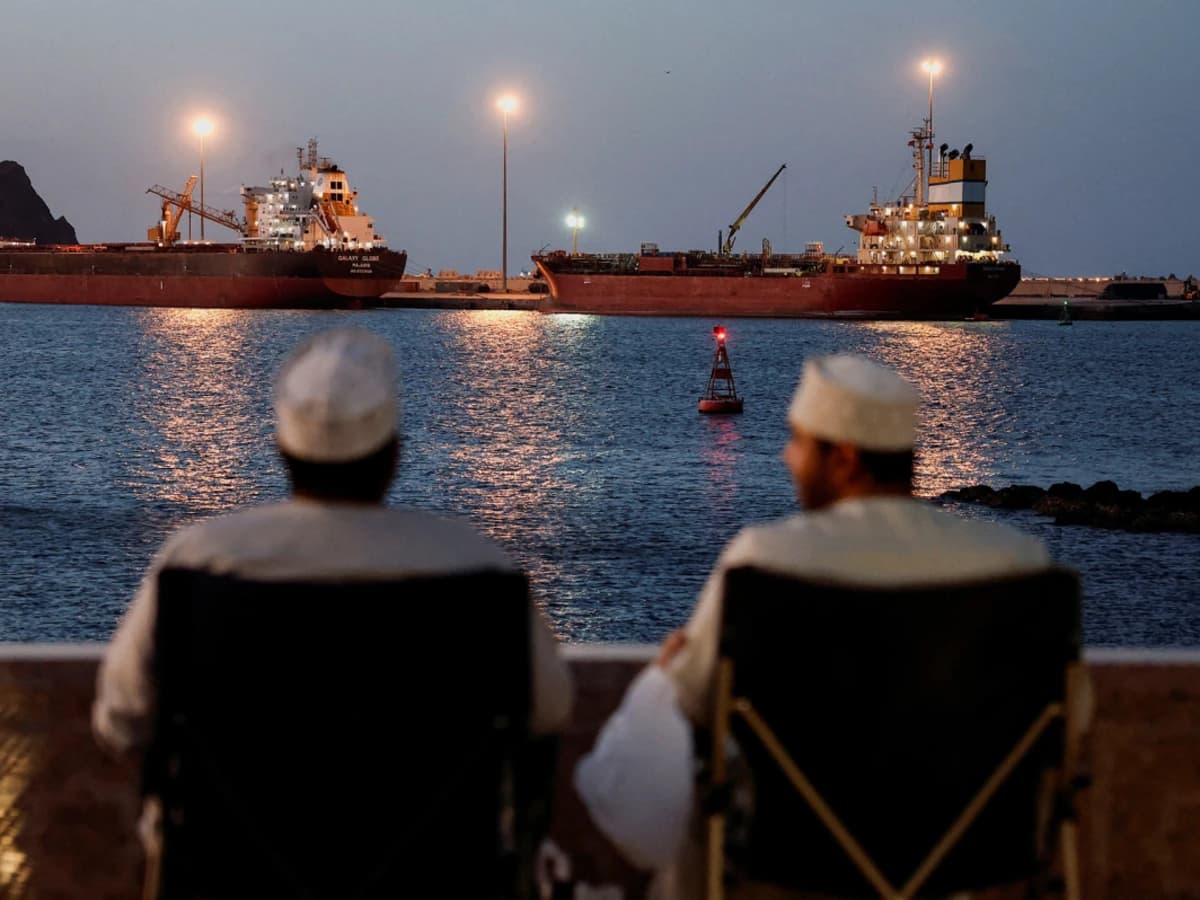
Donald Trump said U.S. and Iranian negotiators would meet in Doha on Tuesday, even as Iran’s Foreign Ministry denied that its diplomats would be sitting down with U.S. officials there. The mixed messages pushed oil traders back toward the Strait of Hormuz, where any renewed disruption can feed quickly into gasoline prices, airline fuel costs and broader inflation.
Oil prices rose on June 29 after days of tit-for-tat strikes by the United States and Iran exposed how fragile the interim peace deal had become and slowed energy shipping through the Strait of Hormuz, the narrow waterway that carries a large share of global crude flows. The market had previously cheered a June 15 framework that called for ending the war and reopening the strait, but the agreement left Iran’s nuclear program and other core issues to later negotiations.
That optimism faded again after JD Vance said on June 22 that progress had been made in talks with Iran and that the Strait of Hormuz was open. Oil fell more than 3% that day, a sharp reminder of how quickly prices can swing on even partial signs of de-escalation. The United States then issued a 60-day sanctions waiver on Iran after the first talks, easing some pressure on Iranian oil exports while the broader diplomatic picture remained unsettled.
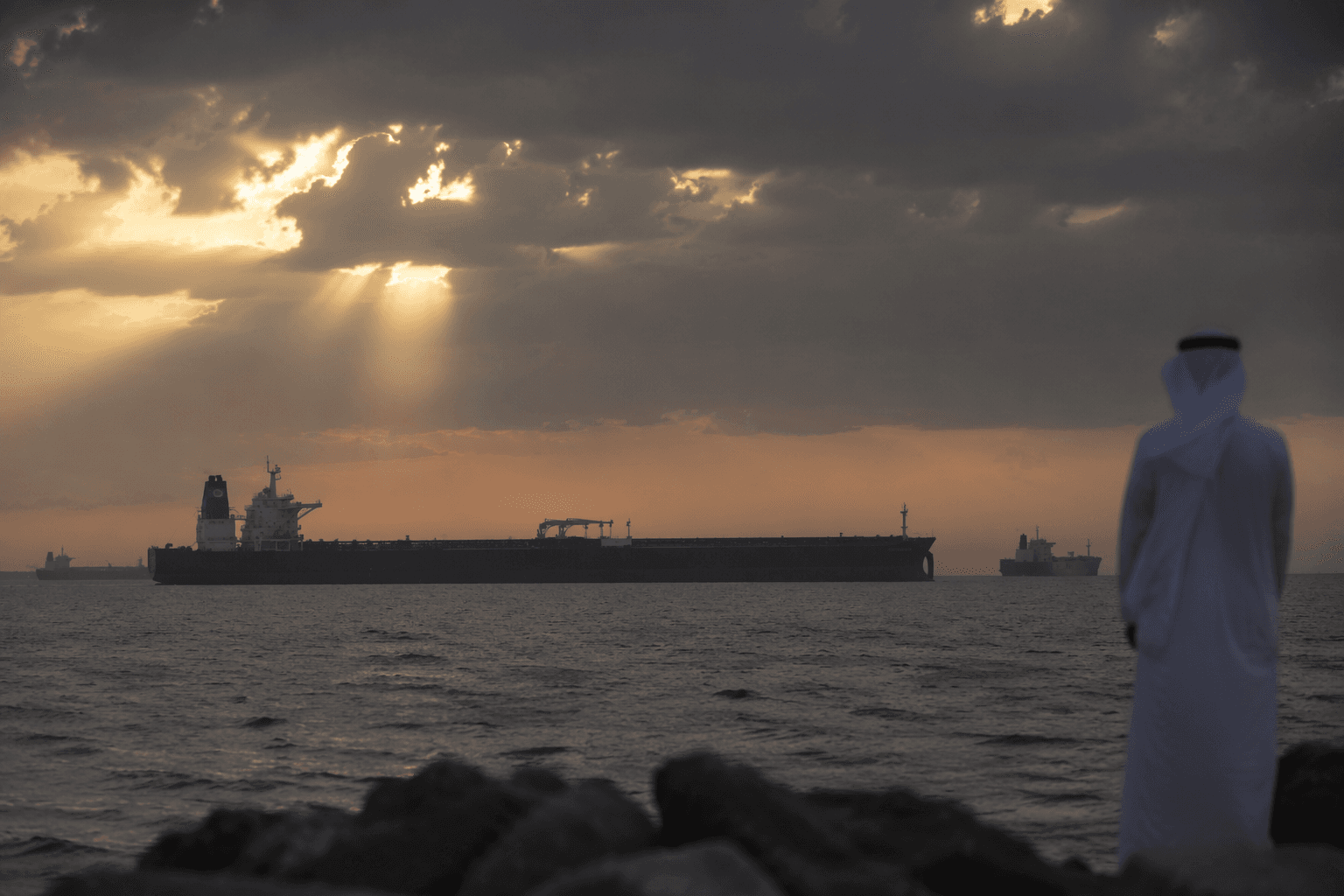
By June 30, Brent crude futures were hovering around $73 a barrel and heading for their biggest quarterly loss since early 2020, even after the latest rebound. The move showed how closely traders were tracking each statement from Washington and Tehran, with the risk premium rising whenever there was doubt that shipping through the Strait of Hormuz would stay clear.
France and Oman were also working with international partners on demining the strait, underscoring how quickly a temporary calm can unravel in a chokepoint that sits at the center of the global oil market. For consumers, the next cue is whether the talks in Doha produce a durable truce or another round of retaliation that sends crude higher again.
This article was produced by Prism’s automated news system from verified source data, official records, and press releases, then run through automated quality and moderation checks before publishing. The system is built and supervised by the people who set the standards it runs under. Read our full AI policy.
Did this article answer your question?