Iran war disrupts Somalia aid, starving children face worsening shortages
Fuel and shipping costs from the war in Iran are squeezing Somalia’s aid pipeline, forcing clinics to ration therapeutic food for severely malnourished children.
The war in Iran has hit Somalia’s hunger crisis through a brutal and indirect route: higher fuel and shipping costs are making it harder to move therapeutic foods into a country where nearly half a million children already face severe acute malnutrition.
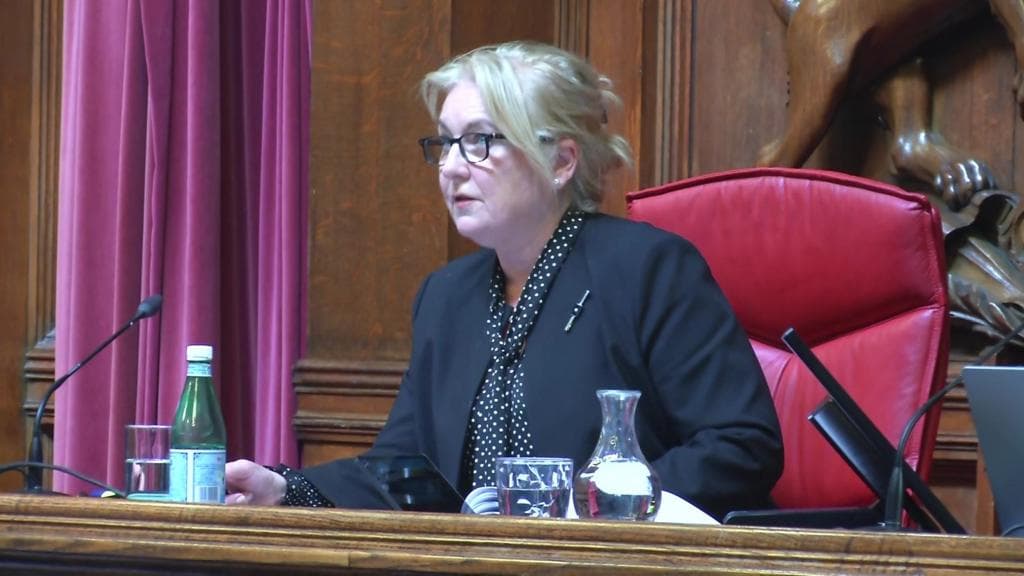
In clinics in Mogadishu and Baidoa, health workers have begun turning children away or cutting rations of specialized milk and peanut-based paste as stocks thin out. Hassan Yahye Kheyre, a nurse at one clinic, said supplies had been reduced repeatedly and that the remaining cartons of peanut paste would likely run out within two weeks. For mothers like Muumino Adan Aamin, that shortage is immediate and personal. She has been trying to keep her 11-month-old daughter, Ruweido, on a strict feeding regimen, only to be sent home when the clinic ran out of supplies.
The squeeze is unfolding as Somalia enters one of its most dangerous hunger periods in years. UNICEF warned on March 26 that rising fuel costs and supply disruptions tied to the war in the Middle East could spell catastrophe for children in Somalia, saying delays across procurement, production and transport could hold up critical supplies by as long as six months. The agency also warned that global oil prices could rise by up to 20 percent, pushing up the cost of manufacturing and shipping vaccines and nutrition products.
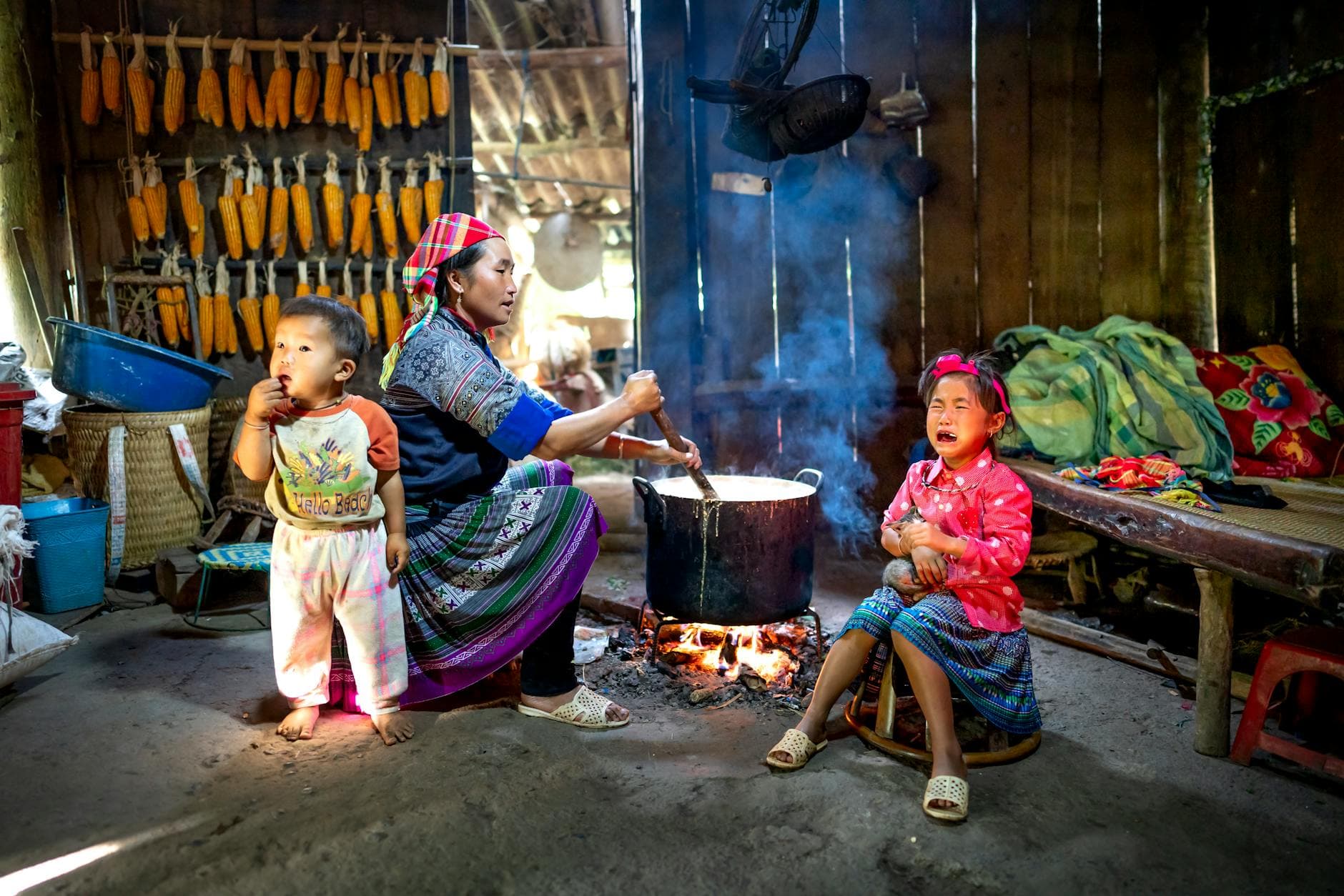
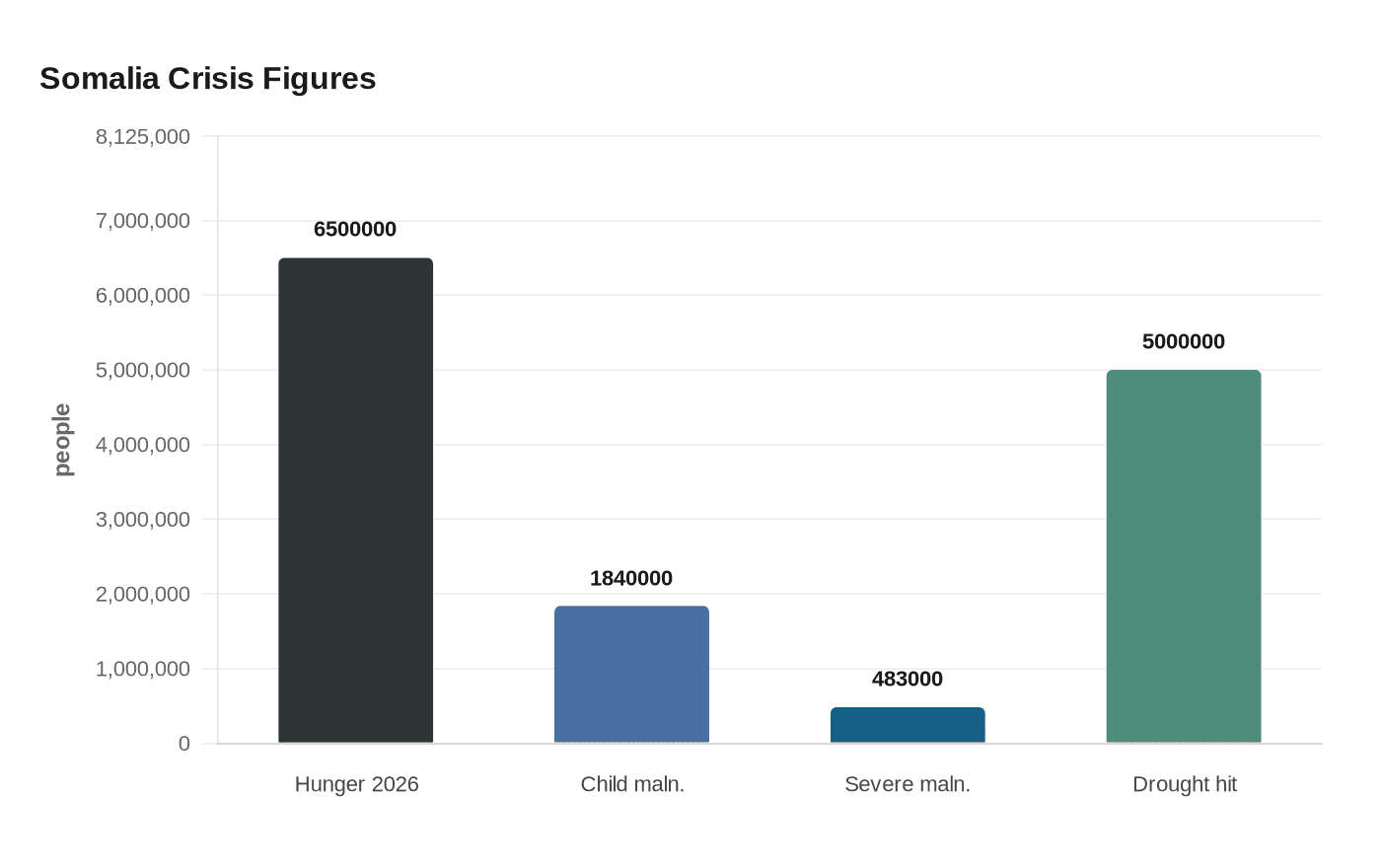
The pressure is colliding with a deepening drought and a funding crisis. The World Food Programme said 6.5 million people in Somalia were projected to face crisis levels of hunger or worse in 2026, with 1.84 million children projected to suffer acute malnutrition, including more than 483,000 with severe acute malnutrition. It said most regions have endured three failed rainy seasons and the lowest seasonal crop harvest in 30 years. OCHA said at least five million people have been affected by the drought and about half a million displaced, while Somalia’s 2026 humanitarian response plan sought US$852 million to assist 2.4 million people and was only 10.9 percent funded as of March 5, rising to just 12.2 percent by April 6.
The Integrated Food Security Phase Classification said 6.5 million Somalis would face high levels of acute food insecurity between February and March 2026, including more than 2 million in Emergency phase. Humanitarian food security assistance in January reached only 17 percent of the 4.8 million people in need, and funding shortfalls in late 2025 and early 2026 interrupted aid for about 600,000 vulnerable people who lost access to food or cash assistance.
Somalia narrowly averted famine in 2022 after an extraordinary humanitarian scale-up. This time, the combination of drought, depleted aid budgets and war-driven transport costs is pushing nutrition programs toward the edge, leaving children in clinics with one fewer carton of peanut paste and one more day without enough to eat.
This article was produced by Prism’s automated news system from verified source data, official records, and press releases, then run through automated quality and moderation checks before publishing. The system is built and supervised by the people who set the standards it runs under. Read our full AI policy.
Did this article answer your question?