Iran war shakes bonds, investors see a possible turning point
Bonds failed to shield investors as the Iran war lifted oil and inflation fears, while stocks kept climbing and some managers called a turning point.

The Iran war has upended one of markets’ oldest assumptions: when fear rises, bonds are supposed to catch investors. Instead, developed-market government debt has been hit as oil prices, inflation worries and the prospect of higher borrowing costs have pushed the old safe-haven script off course.
Since the war began, a net $12 billion has flowed into developed-market government bond funds, and that money has accounted for all government-bond-fund inflows this year. Even so, the price action has been weak. Safe-haven 10-year U.S. Treasuries have delivered a negative return of 1.5% since late February, while German 10-year Bunds have fallen 2.4%. At the same time, the S&P 500 has risen 9% since the start of the war, or 39% annualized, helped by enthusiasm around artificial intelligence and strong corporate earnings.
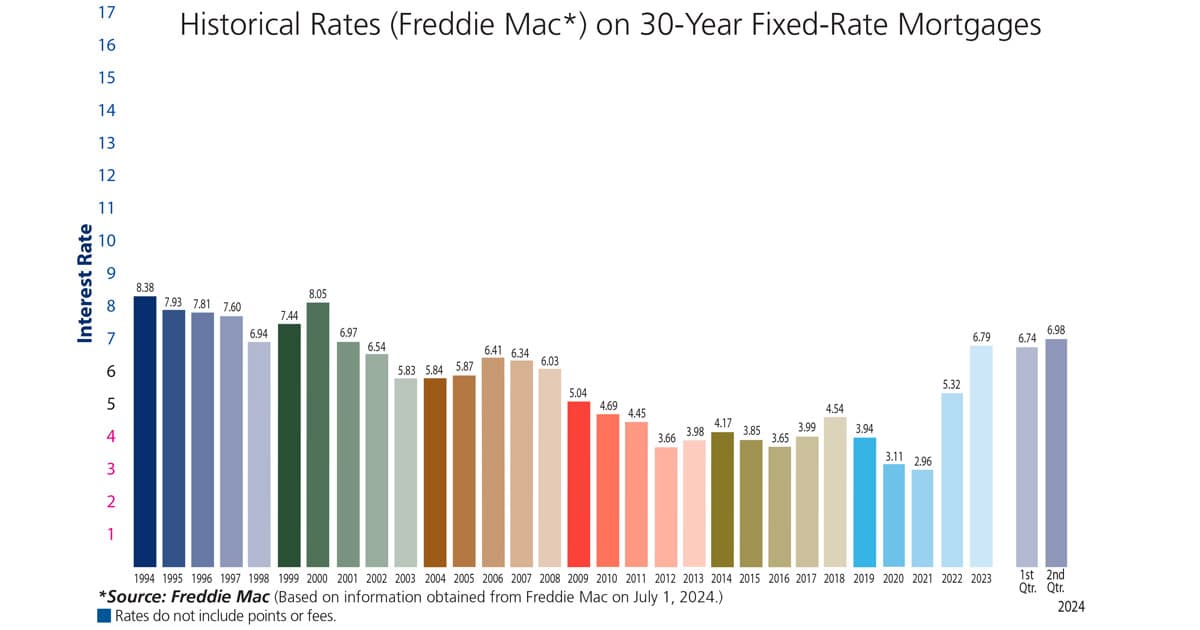
That gap has left Wall Street reconsidering whether bonds still do the job retirement savers have long expected. A fresh Bank of America survey found investors were the most underweight in bonds since June 2022, underscoring how cautious fund managers remain even after the selloff. Bund yields were near 15-year highs at 3.1%, while 10-year Japanese government bond yields stood at 2.6%, their highest level in nearly 30 years. PIMCO’s Konstantin Veit said fixed income looked very attractive globally, including in Europe and Japan, while equities looked less compelling.

The pressure point is energy. J.P. Morgan Asset Management has warned that geopolitical shocks usually spark a temporary bid for safe havens, but that pattern changes when conflict hits oil flows. Iran still produces roughly 5% of global oil, and the Strait of Hormuz carries about one-fifth of world supply. Insurers have withdrawn war-risk coverage for shipping through the route, sharply raising the risk that any disruption feeds directly into consumer prices. Morgan Stanley estimated that a 10% rise in oil prices from a supply shock could lift U.S. headline CPI by about 0.35 percentage points over three months.
That is why the debate is no longer just about war risk. It is about whether inflation will stay the dominant force in bonds, or whether slower growth eventually restores their defensive role. With the conflict seen by some strategists as lasting four to five weeks, higher defense spending could widen deficits and keep long-term yields under pressure. For borrowers, that means persistently higher financing costs; for retirement portfolios, it means the old diversification playbook may be losing its reliability just when investors want it most.
This article was produced by Prism’s automated news system from verified source data, official records, and press releases, then run through automated quality and moderation checks before publishing. The system is built and supervised by the people who set the standards it runs under. Read our full AI policy.
Know something we missed? Have a correction or additional information?
Submit a Tip