Iran warns of response as U.S. weighs fresh strikes
Washington is weighing renewed strikes after fresh U.S. attacks on Iran, and Tehran says it will answer if the bombing resumes.
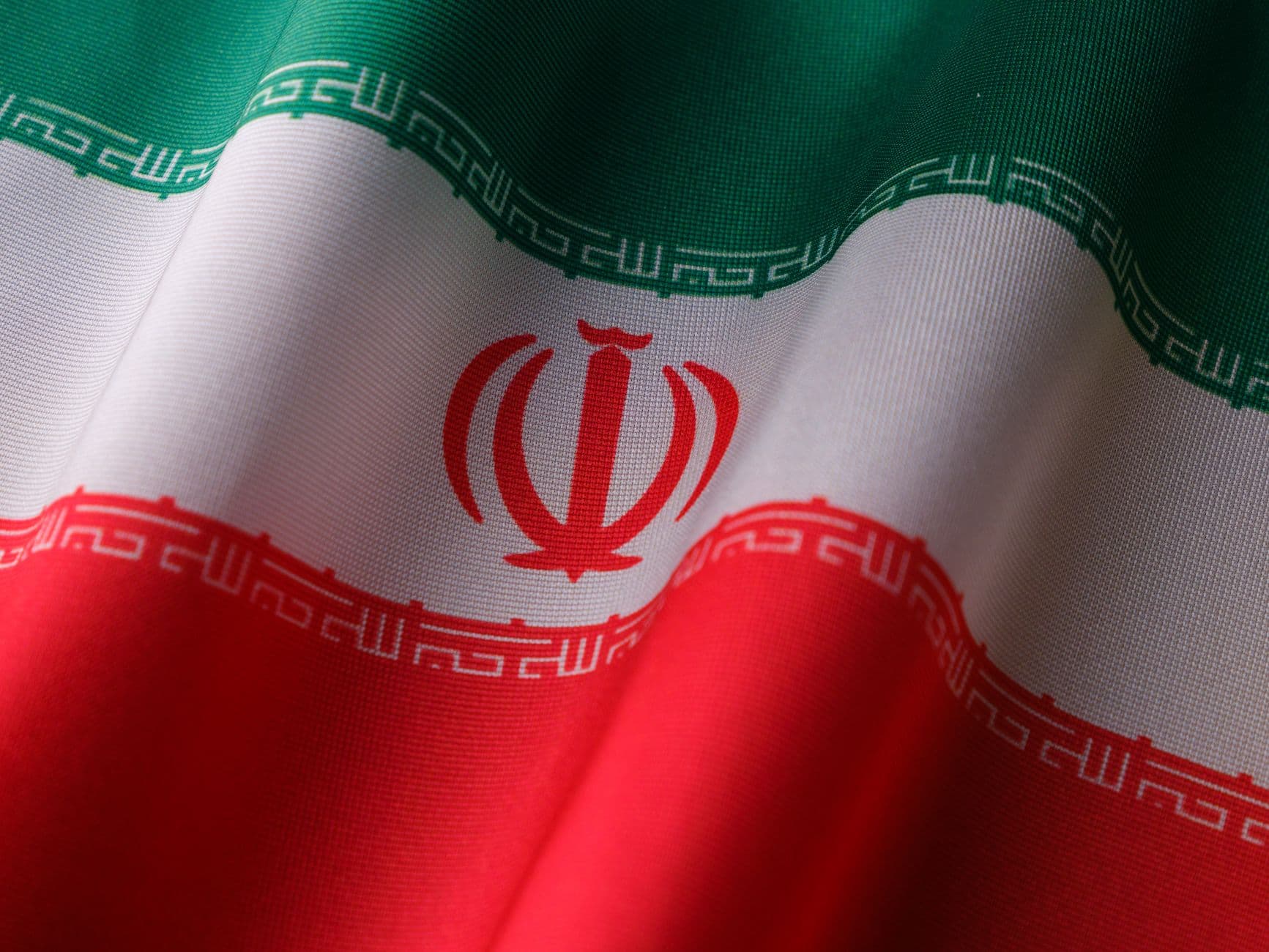
The U.S. military carried out fresh strikes on Iran on July 30 as Washington weighed another round of attacks and Tehran warned it would respond if the bombing resumed. U.S. officials were planning to reopen strikes against Iran as soon as the weekend, keeping the confrontation on a knife edge after days of stop-start pressure.
The immediate risk is to U.S. personnel in the region. July reporting linked the fighting to attacks on American troops and to a drone strike on a U.S.-owned floating storage tanker at an Egyptian port, showing how quickly the conflict can move from direct blows on Iran to attacks on American assets and maritime infrastructure. If Washington sends more aircraft or missiles, Iran’s retaliation is likely to be measured not just against military sites, but against U.S. interests that are easier to reach and harder to defend.
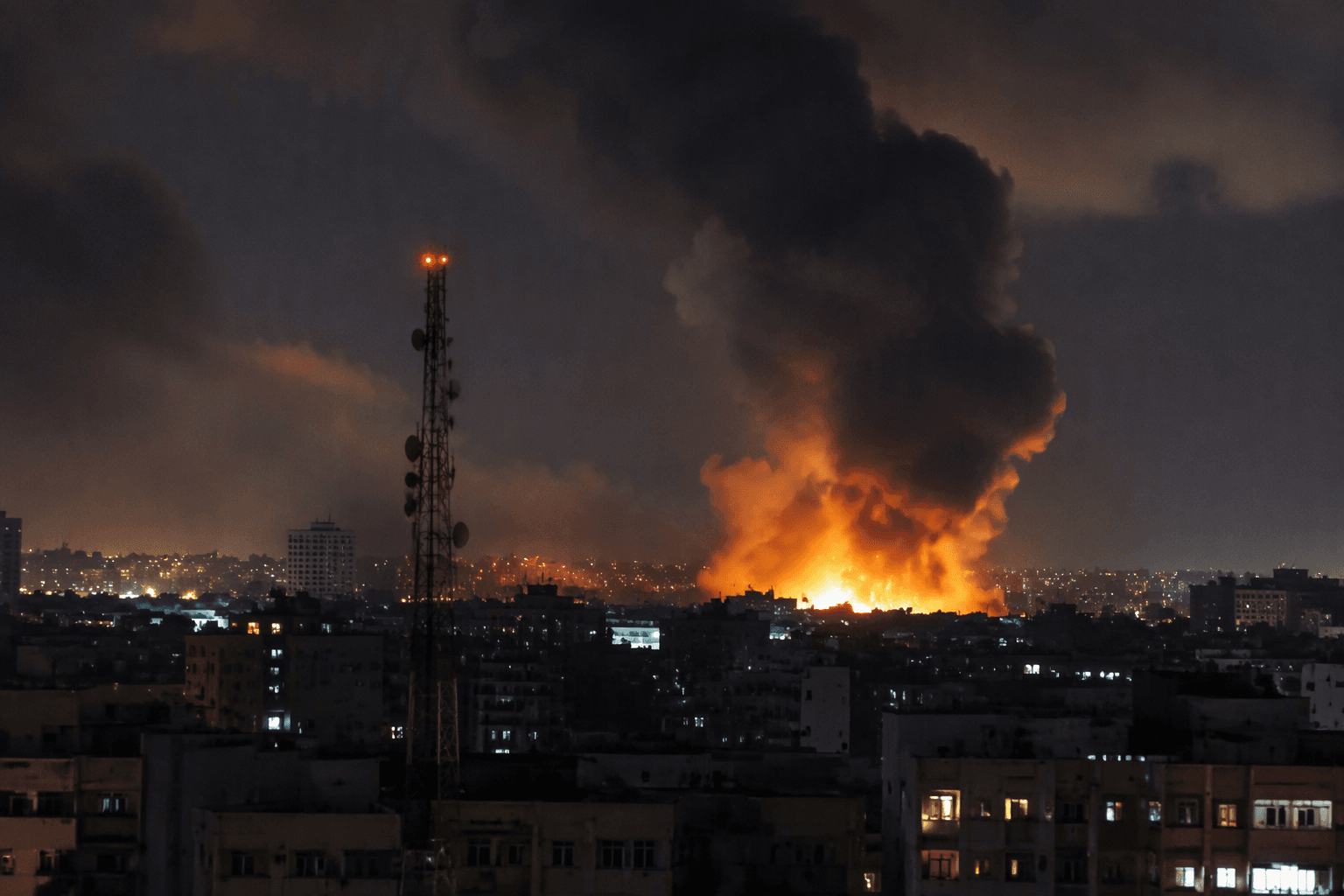
That is why the latest lull looks more like a pause than a truce. On July 26, an Iranian source said Iran would halt attacks as long as the U.S. maintained a bombing pause. That made the calm conditional, not durable. The moment fresh U.S. strikes resume, Tehran has room to answer in kind, either from its own territory or through aligned groups that can widen the battlefield without forcing an immediate all-out exchange.
The broader structure of that conflict was laid out in the Congressional Research Service’s updated Iran background report on May 22, 2025, which said Iran’s regional confrontation with the U.S. is tied to its Axis of Resistance. That network matters because it gives Tehran options beyond a direct state-to-state exchange. It also raises the stakes for shipping lanes, ports and regional allies that sit outside Iran but inside the reach of its partners and proxies.
A July 8 assessment framed the situation as a question of whether the U.S. and Iran were escalating to negotiate, and the late-July sequence has kept that possibility alive. Fresh strikes on July 30, warnings of renewed attacks as soon as this weekend and Iran’s pledge to answer if the bombing continues point to a familiar escalation ladder: direct strikes, retaliation against U.S. personnel or facilities, pressure on shipping and energy routes, and a widening threat to partners across the Middle East.
This article was produced by Prism’s automated news system from verified source data, official records, and press releases, then run through automated quality and moderation checks before publishing. The system is built and supervised by the people who set the standards it runs under. Read our full AI policy.
Did this article answer your question?