Iranian Hackers Publish Emails, Photos Allegedly Stolen From FBI Director Patel
Iranian hackers published 300+ emails and candid photos from FBI Director Kash Patel's personal Gmail, framing the dump as retaliation for U.S. seizure of their propaganda websites.
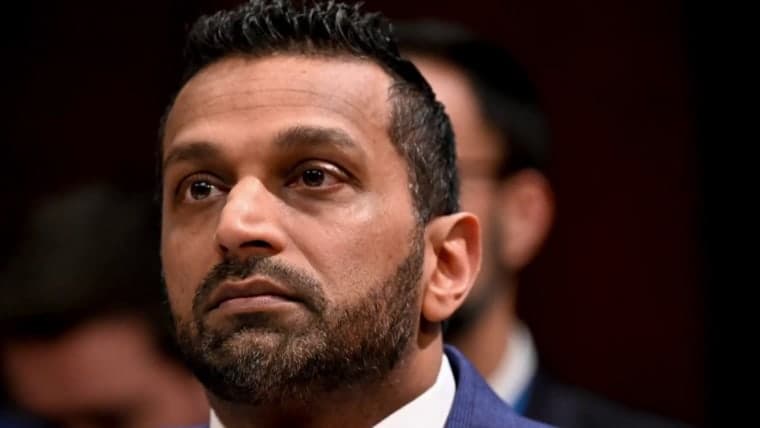
The photographs hit the internet first: Kash Patel sniffing and smoking cigars, riding in an antique convertible, making a face in a bathroom mirror while clutching a large bottle of rum. Then came the emails, more than 300 of them, and a warning from the hackers who posted it all: the FBI director "will now find his name among the list of successfully hacked victims."
The Handala Hack Team, a pro-Iranian collective that Western intelligence researchers consider a front for Iranian government cyber-intelligence units, published the cache of personal photos and email messages Friday from what it claimed was Patel's personal Gmail account. The FBI confirmed it was "aware of malicious actors targeting Director Patel's personal email information" and said it had taken "all necessary steps to mitigate potential risks associated with this activity."
The bureau was careful to frame the leak's scope. "The information in question is historical in nature and involves no government information," an FBI spokesman said, stressing the material did not appear to touch classified government systems. A review of the posted files bore that out in part: the emails were arranged into folders last modified on May 21, 2025, but most of the messages dated to 2010 through 2012, and the most recent item in the cache was a plane ticket receipt from 2022. All of the correspondence predated Patel's work with the Trump administration.
Despite the bureau's effort to contain the political damage, the release carried the hallmarks of a carefully staged operation. Cryptographic indicators in the email headers were consistent with authentic Gmail transmissions, lending weight to the group's claim that the material was not fabricated. That distinction matters in hack-and-leak operations, where the reputational impact on a named official often outweighs any intelligence value in the underlying content.
Handala had telegraphed its intentions before the dump. On its Telegram channel, since deleted, the group warned Thursday that "the FBI shouldn't have started a confrontation and conflict with us" and promised it would soon reveal "the biggest security breach of the past decade." That message was a direct response to action the FBI and Justice Department took on March 19, when the DOJ seized four domains used by Iran's Ministry of Intelligence and Security, including sites Handala had used for propaganda and coordination.
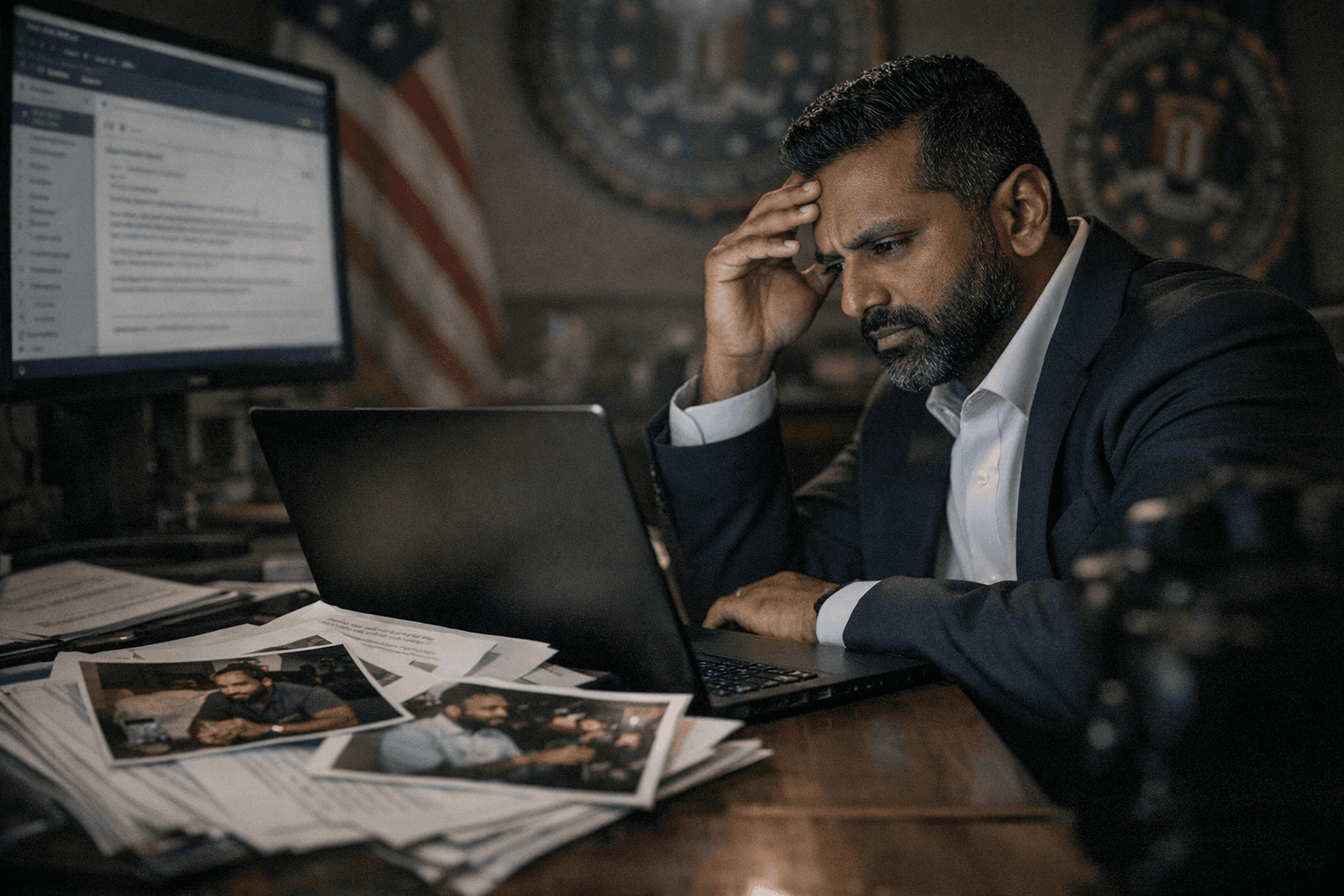
The State Department's Rewards for Justice program was already offering up to $10 million for information leading to the identification of Handala members before Friday's release. The FBI used the breach to amplify that bounty, directing the public to the program and pledging that, "consistent with President Trump's Cyber Strategy for America, the FBI will continue to pursue the actors responsible, support victims, and share actionable intelligence in defense of networks."
Handala surfaced in another significant incident earlier this month, when the group claimed credit for a destructive hack of Stryker, the Michigan-based medical device and services company, on March 11. Researchers who track Iranian cyber operations considered that claim credible.
The secondary risks from Friday's release extend beyond embarrassment. Leaked email archives, even aging personal ones, can expose contact networks, travel patterns, and private communications that adversaries use to build influence campaigns or target associates. For an FBI director whose agency is responsible for pursuing the very actors behind the breach, the more uncomfortable question may be how years of personal correspondence in a consumer Gmail account remained an accessible target in the first place.
Know something we missed? Have a correction or additional information?
Submit a Tip

