Iranian Missiles Strike Bahrain's Alba Smelter, Injuring Two Workers
Two Alba workers were mildly injured after Iran's IRGC targeted the world's largest aluminium smelter in Bahrain, part of coordinated strikes on Gulf industrial infrastructure.
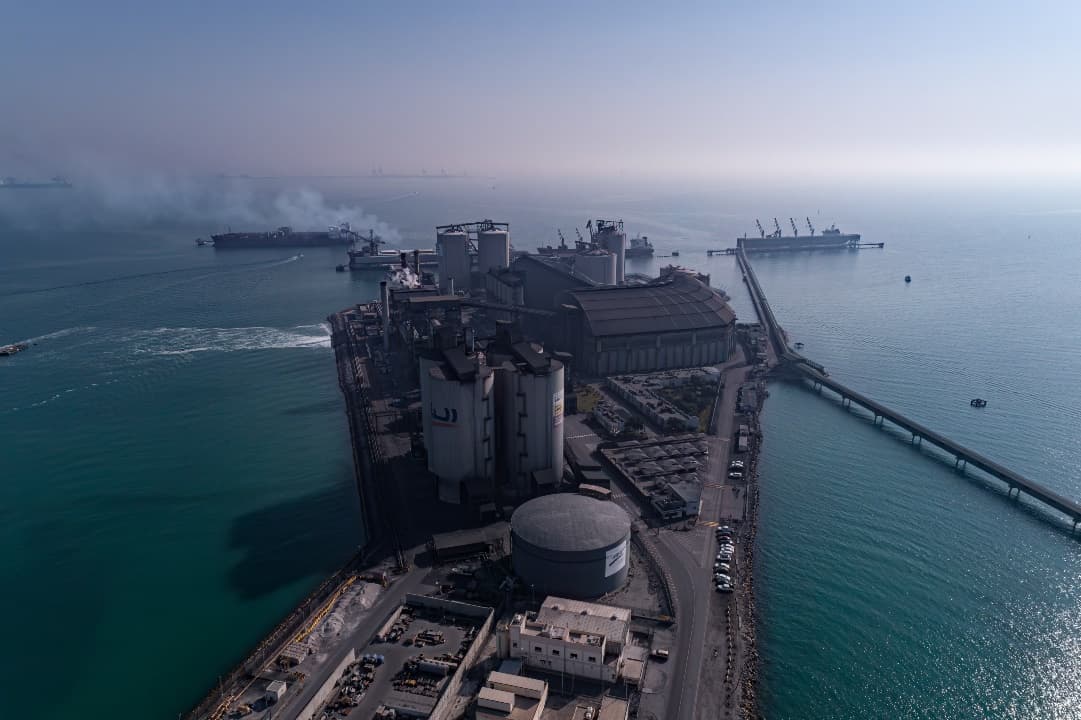
Iran's Revolutionary Guard Corps fired missiles and drones at Aluminium Bahrain's smelting complex on March 28, injuring two workers and forcing the state-controlled company into emergency damage assessments across its production lines, in what amounts to the most direct attack yet on Bahrain's industrial core.
Alba confirmed the strike through Bahrain's state news agency, saying two employees sustained minor injuries. "Alba is assessing the extent of the damage to its facilities and remains focused on maintaining its operational resilience and the safety of its employees," the company said in a statement. Emergency services and corporate safety teams were deployed to the facility as assessments of production lines and plant infrastructure continued into March 29.
The IRGC claimed the attacks on Alba and, simultaneously, on Emirates Global Aluminium's Al Taweelah site in the UAE were carried out because the companies had ties to U.S. military and aeronautics firms. EGA's Al Taweelah facility reported significant damage from the same wave of strikes. The dual targeting of major Gulf aluminium producers in a single operation marked a deliberate escalation in Iran's strategy of hitting economic infrastructure in retaliation for U.S.-Israeli strikes on Iranian steel plants.
The timing compounded an already precarious situation for Alba. Earlier in March, the company had cut 19 percent of its annual production capacity, equivalent to roughly 304,000 tonnes of its 1.6 million-tonne annual output, as a contingency measure after declaring force majeure on March 4 when the closure of the Strait of Hormuz made it unable to ship metal to customers. The latest attack now threatens what remained of its operating capacity.
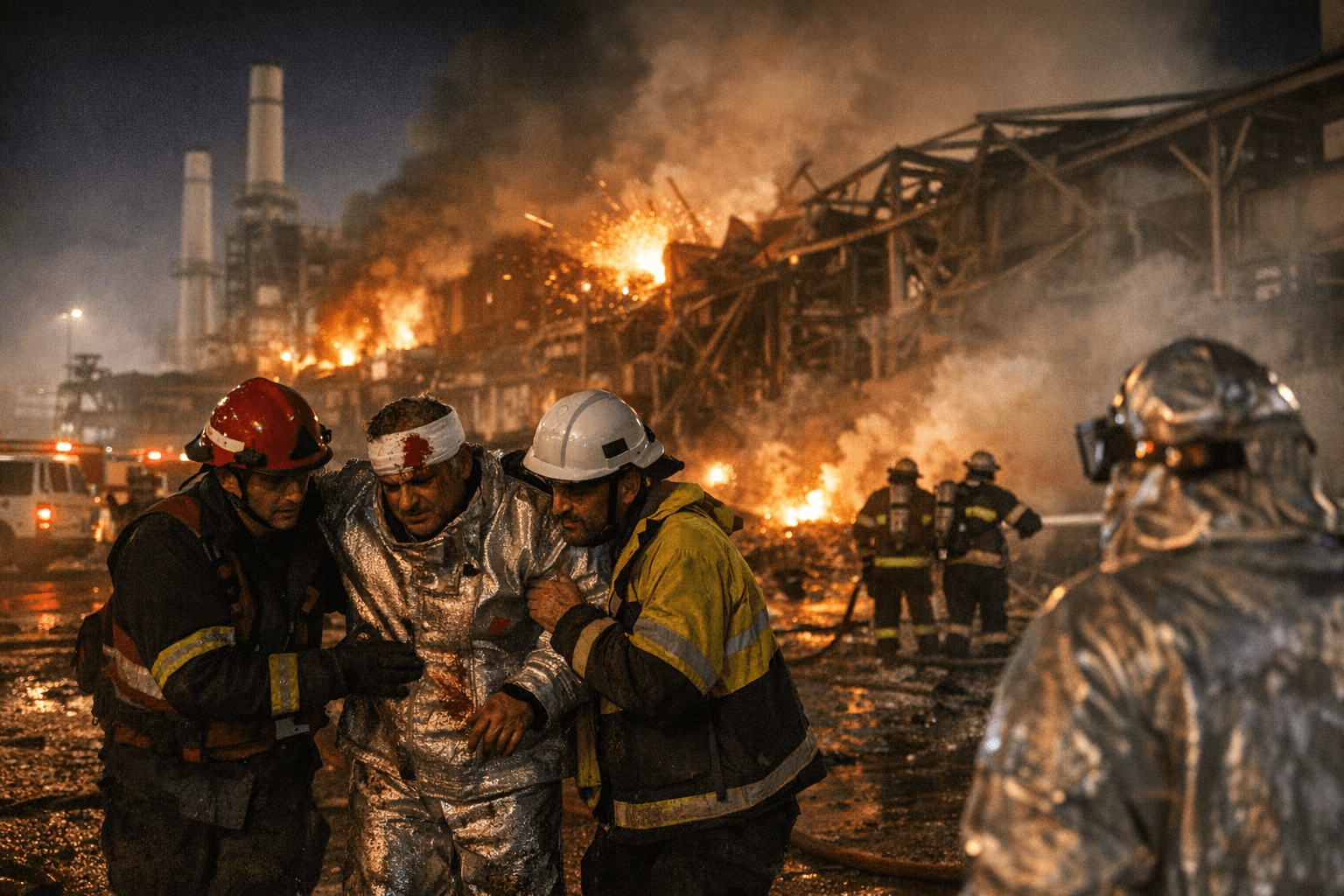
The stakes extend well beyond Bahrain. The Middle East aluminium sector supplies approximately nine percent of global output, and sustained disruption to both Alba and EGA simultaneously could accelerate supply shortfalls already being priced into commodities contracts. Analysts noted that each successive strike on industrial infrastructure raises insurance costs and pushes firms to seek alternative sourcing arrangements, feeding inflationary pressure into downstream markets that depend on primary aluminium.
For Bahrain, the attack lands as the country absorbs the cumulative toll of weeks of Iranian strikes. Official figures show Bahraini air defenses have intercepted 174 missiles and 391 drones since the broader conflict began, with two confirmed deaths and more than 50 people injured across the country as of mid-March. The strike on Alba adds a new dimension to that toll: the economic cost of sustained hostilities is no longer theoretical.
Whether a ceasefire or diplomatic channel can interrupt the cycle of retaliation before further damage reaches Alba's already-diminished production lines is now the central question for the company, its workers, and the global buyers waiting on aluminium shipments that may never leave Bahrain's ports.
Know something we missed? Have a correction or additional information?
Submit a Tip

