Iran’s internet blackout cripples digital economy, deepening nationwide crisis
A 69-day blackout cut Iran off from the global internet, choking the digital economy and threatening millions of jobs as war damage and layoffs spread.
Iran’s internet blackout has become a second battlefield, cutting most of the country’s 90 million people off from the global web and squeezing the private sector just as war damage deepened. The shutdown followed Israel and U.S. airstrikes that began on February 28, after authorities had already restricted online access during nationwide protests the month before. By early May, NetBlocks said the nationwide blackout had stretched to at least 69 days and about 1,632 hours of severe disruption.
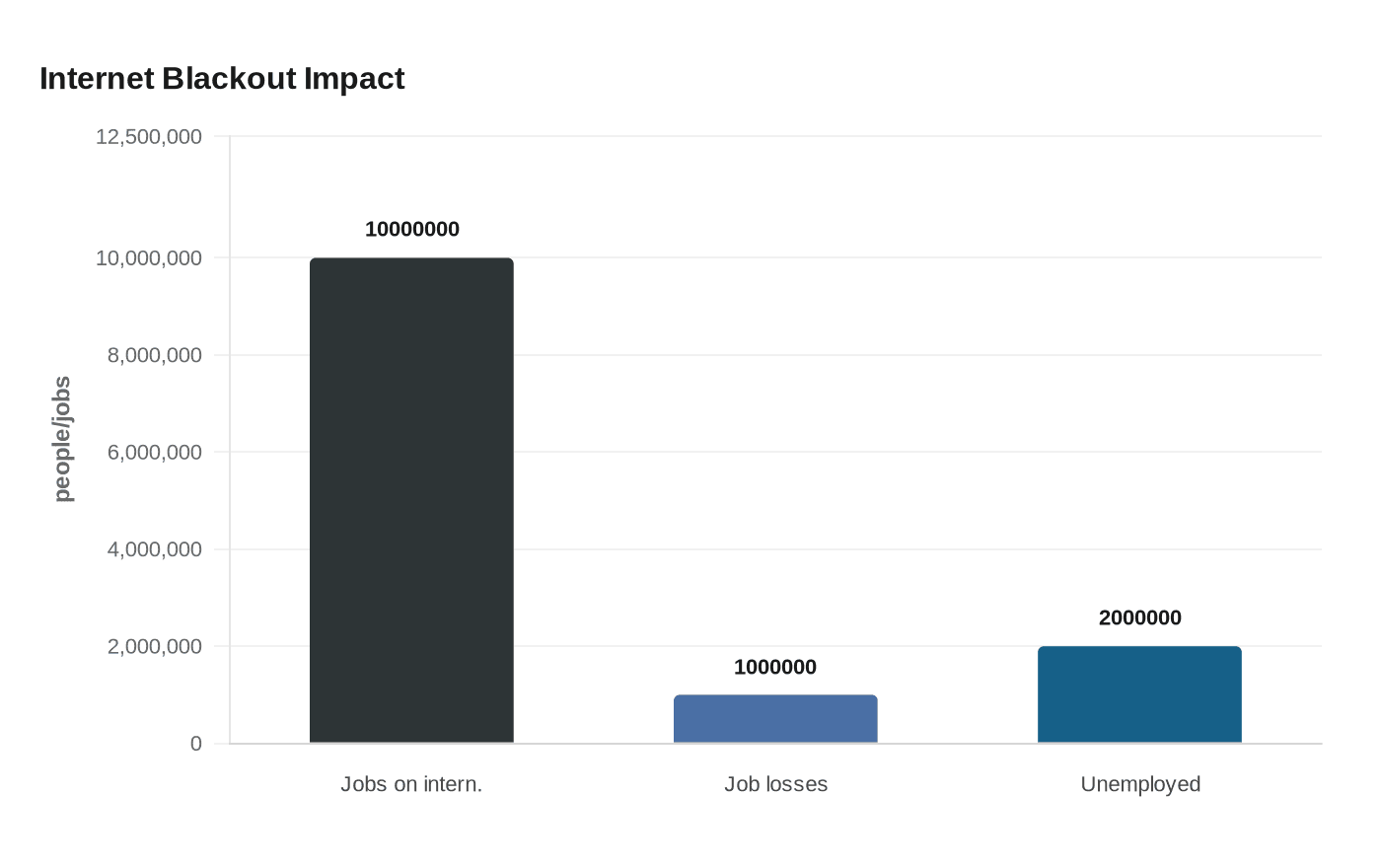
The first businesses to buckle were the small, independent ones that had come to rely on digital sales to survive years of sanctions, inflation and mismanagement. Communications Minister Sattar Hashemi said about 10 million jobs depended on internet connectivity, while a member of the Iran Chamber of Commerce estimated the cutoff was draining the economy by $30 million to $40 million a day, with indirect losses potentially twice as high. Bloomberg has reported that owners and industry figures fear the blackout could trigger mass layoffs and closures.

For many Iranians, the damage has been immediate and visible. Instagram and WhatsApp had become crucial free marketing and sales channels for small shops, freelancers and service businesses; with access blocked, many have been pushed onto domestic apps such as Rubika, Bale and Shad. Business owners and students describe those platforms as slow, censored and built for surveillance, while business users say advertising there is expensive and cumbersome. What had been a cheap way to reach customers has turned into a bottleneck that is strangling daily commerce.
Senior officials have begun acknowledging the cost. Abdolnaser Hemmati has reportedly urged President Masud Pezeshkian to restore full internet access and pursue a peace agreement with Washington, a sign that the economic pain has reached the top of the system. The pressure comes as the regime keeps tightening digital controls, even while the wider economy absorbs the shock of war, currency collapse and isolation.
The broader damage is staggering. Fatemeh Mohajerani has put total war losses to infrastructure and residential and commercial property at $270 billion, while Iranian officials have estimated reconstruction costs at around $300 billion for civilian infrastructure alone. Deputy labor minister Gholamhossein Mohammadi said the conflict had already cost more than one million jobs and left about two million people directly or indirectly unemployed. With the currency at historic lows and the internet still throttled, Iran’s economy has been pushed into territory that business leaders and analysts describe as uncharted.
This article was produced by Prism’s automated news system from verified source data, official records, and press releases, then run through automated quality and moderation checks before publishing. The system is built and supervised by the people who set the standards it runs under. Read our full AI policy.
Did this article answer your question?

