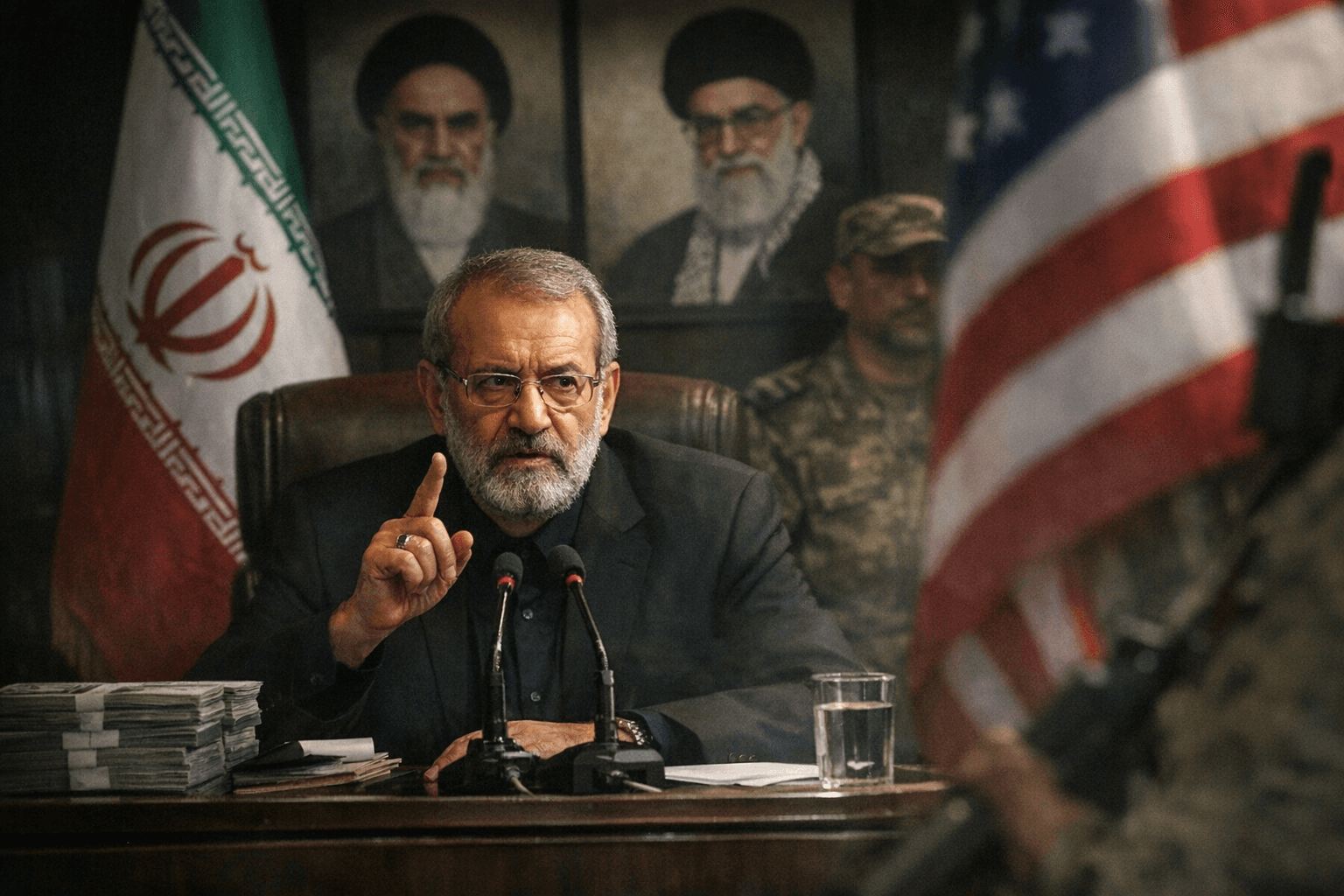
Iran's Parliament Speaker Demands Frozen Assets Released Before US Talks Begin
Iran's parliament speaker set two hard conditions before Islamabad talks: frozen asset release and a Lebanon ceasefire, as Trump warned Tehran not to overplay its hand.
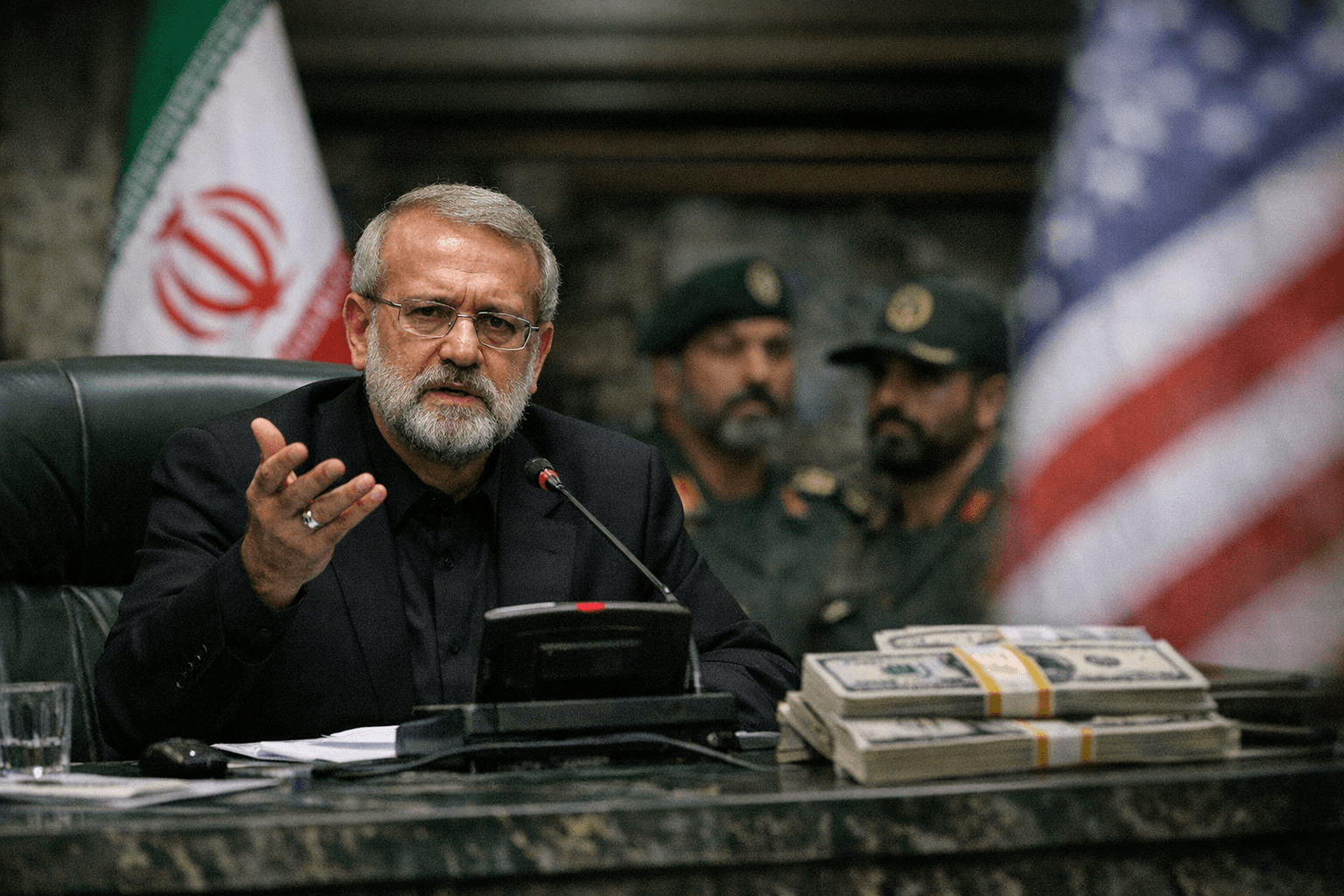
Iranian Parliament Speaker Mohammad Bagher Ghalibaf set twin preconditions for the peace talks scheduled in Islamabad, Pakistan, declaring that the release of Iran's blocked overseas assets and a ceasefire in Lebanon must both be implemented before negotiations with Washington can begin.
Ghalibaf posted on X that "the release of Iran's blocked assets" has been one of the "measures mutually agreed upon between the parties," but remains unimplemented ahead of the start of negotiations. He framed the asset release not as a new demand but as a commitment the United States has already made and failed to honor, a framing that significantly raises the diplomatic stakes.
Ghalibaf accused the US and Israel of violating the ceasefire by continuing the war in Lebanon, failing to prevent drones from entering Iranian airspace, and denying Tehran's right to uranium enrichment. "Now, the very 'workable basis on which to negotiate' has been openly and clearly violated, even before the negotiations began," he wrote. "In such a situation, a bilateral ceasefire or negotiations is unreasonable."
President Donald Trump, who called Iran's proposal a workable basis for negotiations, pushed back against the posturing with a blunt warning not to overplay its hand. Vice President JD Vance responded to Ghalibaf's allegations while traveling in Hungary, saying "Ceasefires are always messy," and adding that if Ghalibaf only had three points of disagreement, there must be substantial agreement on the rest.
The talks are set against the backdrop of Operation Epic Fury, the joint US-Israeli offensive launched against Iran on February 28, 2026, over its alleged nuclear program development. Iran consistently maintained the program was peaceful in nature and retaliated with Operation True Promise 4.
Pakistan, a nation more frequently in international headlines for its militancy and shaky economy, is hosting the first direct talks between Washington and Tehran, working to end a conflict that has left thousands dead and sent shockwaves across the globe. Islamabad declared a two-day public holiday to enforce a strict security lockdown as diplomatic activity operated at fever pitch.
The Iranian delegation is expected to be led by Ghalibaf and Foreign Minister Abbas Araghchi. Vance is set to lead the US team for the negotiations. Iran's ambassador to Pakistan briefly posted on X that the delegation had come for "serious talks based on the 10 points proposed by Iran," though the post was deleted within hours.
The confusion surrounding the ceasefire has been multi-layered: the US, Israel, and Iran cannot agree on the terms under which the truce was forged, and Washington and Tehran have offered conflicting accounts of whether the Strait of Hormuz is open or closed. Whether Ghalibaf's asset demand represents a genuine red line or an opening position in a broader negotiation will be tested the moment the delegations sit across from each other in Islamabad.
Sources:
Know something we missed? Have a correction or additional information?
Submit a Tip