Iran's top officials struggle to reach Khamenei as nuclear talks stall
Iran’s supreme leader was cut off behind couriers and fortified bunkers, slowing nuclear talks and raising new questions about command, succession and crisis control.
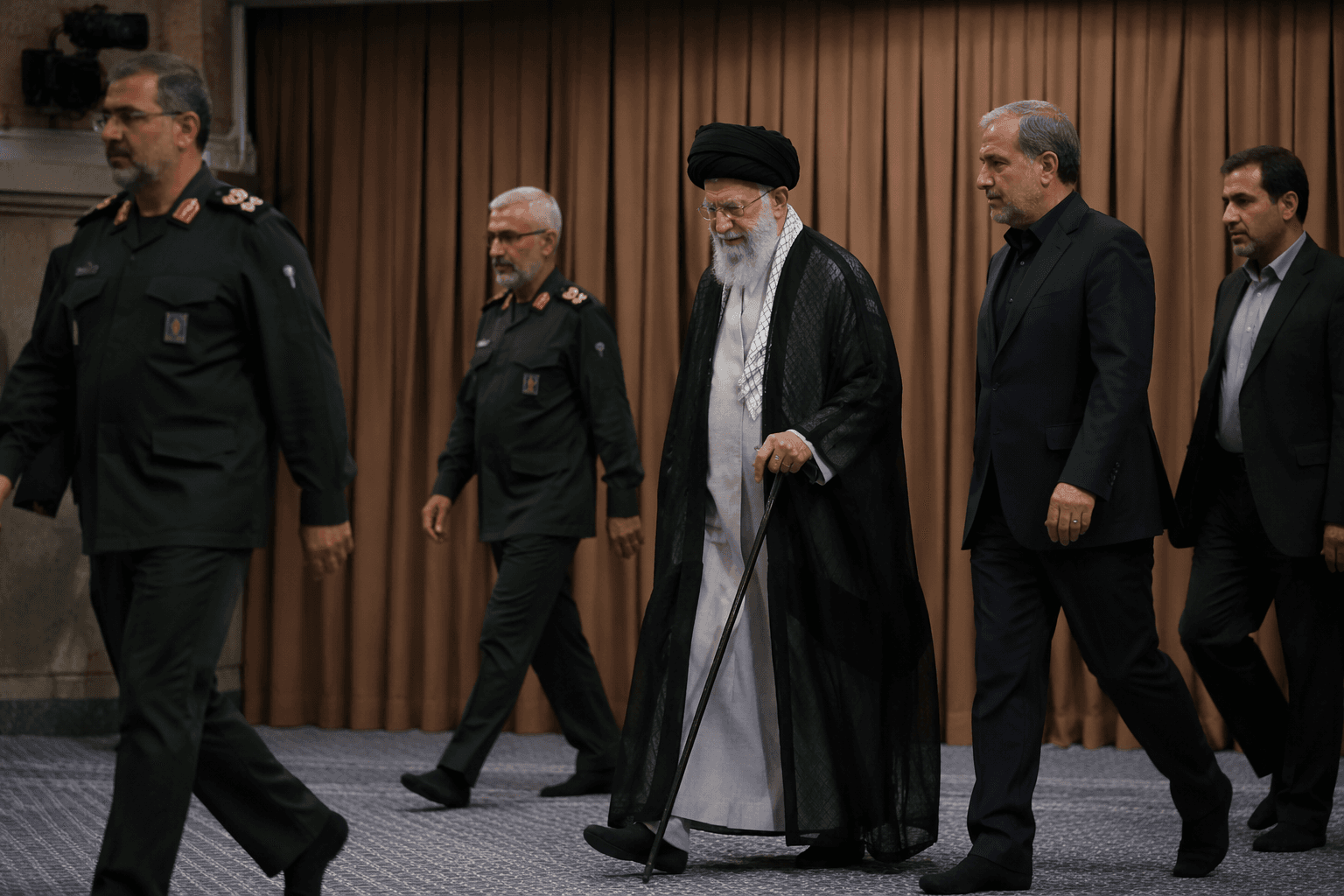
Iran’s top decision-makers were operating with a dangerous handicap: the supreme leader was effectively sealed off in an undisclosed location, reachable only through a labyrinth of couriers, while senior officials struggled to communicate even inside their own government. U.S. intelligence showed that the isolation had slowed replies to American proposals and complicated negotiations over a possible deal, underscoring how much of Tehran’s power still depended on one man who had the final say on the country’s most sensitive decisions.
The blockage mattered because the unresolved issues were not minor. The supreme leader controlled Iran’s stance on peace talks and the fate of its near-weapons-grade uranium stockpile, and the delays reaching him were rippling through every channel of state power. Officials at the highest levels of the Iranian government said they did not know where Mojtaba Khamenei was and had no direct way to contact him, relying instead on intermediaries to move messages. Most senior Iranian leaders were spending weeks in fortified bunkers and avoiding speaking to one another unless absolutely necessary, a war footing that made fast decisions harder and made every diplomatic signal from Tehran less certain.
The nuclear talks were already stuck on the core questions. On May 21, Iranian sources said the supreme leader had ordered that the stockpile of highly enriched uranium remain inside Iran, hardening Tehran’s position against a central U.S. demand that it be sent abroad. Israeli officials said Donald Trump had assured Benjamin Netanyahu that any peace deal would include removing Iran’s highly enriched uranium from the country. That clash left negotiators deadlocked over uranium, proxy militias and ballistic missile capabilities, even as both sides tried to keep a shaky ceasefire from collapsing.
The wider setting only deepened the pressure on Tehran’s chain of command. Reuters reported that the war began with U.S.-Israeli strikes on Iran on February 28, 2026, and that Iranian officials feared sending the uranium out would leave the country more exposed to future attacks. Other reporting has said Mojtaba Khamenei had not appeared publicly since the war began and had issued no video or audio messages, feeding speculation about who was visible, who was reachable and who was really steering the state. The White House declined to comment on the intelligence about the supreme leader’s whereabouts, leaving the picture of Iran’s command structure to be read through couriers, bunkers and delayed answers at a moment when every hour mattered.
Know something we missed? Have a correction or additional information?
Submit a Tip