Iraq arrests politicians and senior officials in anti-corruption raids
Counterterrorism units raided Baghdad’s Green Zone and detained 47 suspects, including a deputy oil minister, in Iraq’s biggest anti-graft push under Ali al-Zaidi.
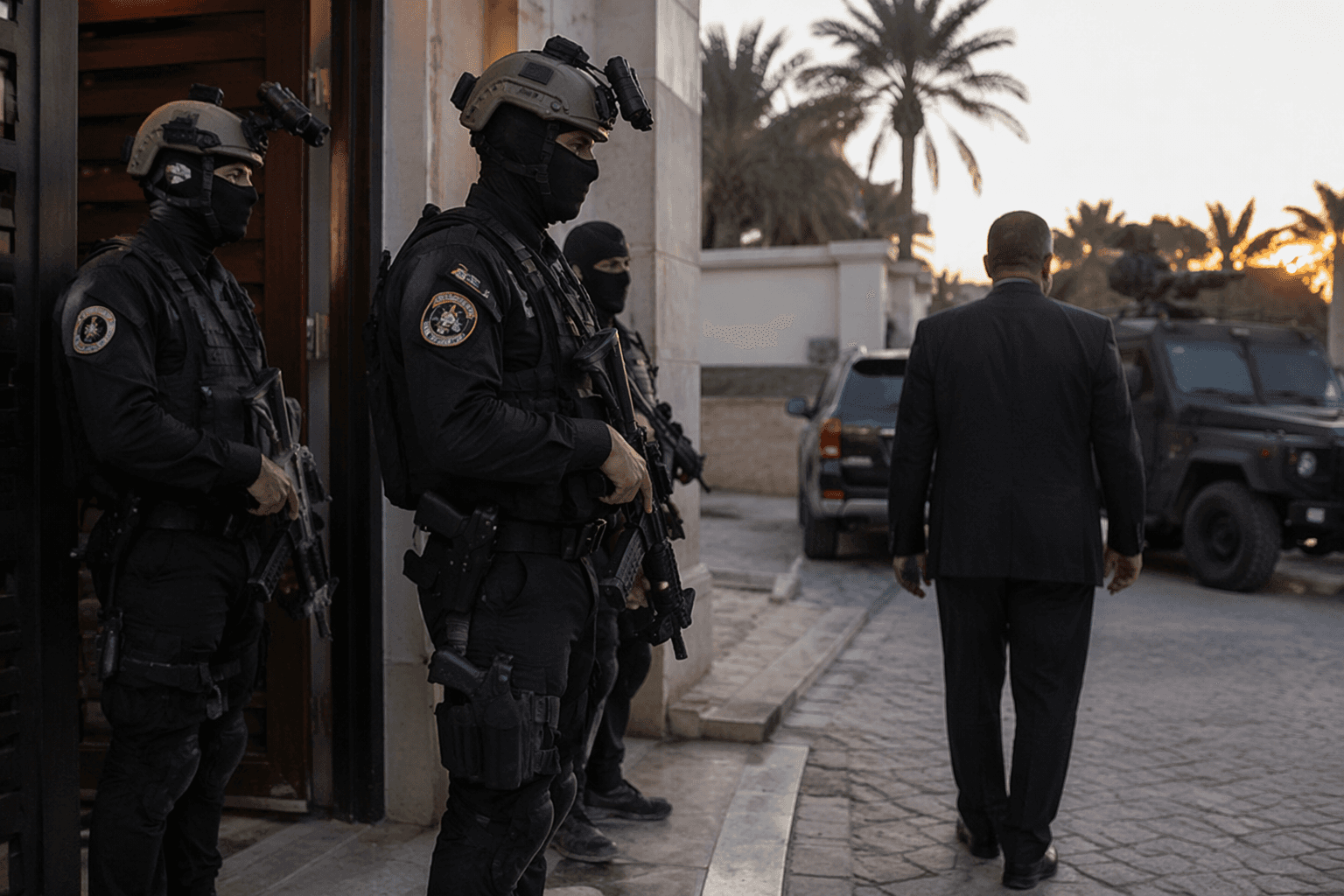
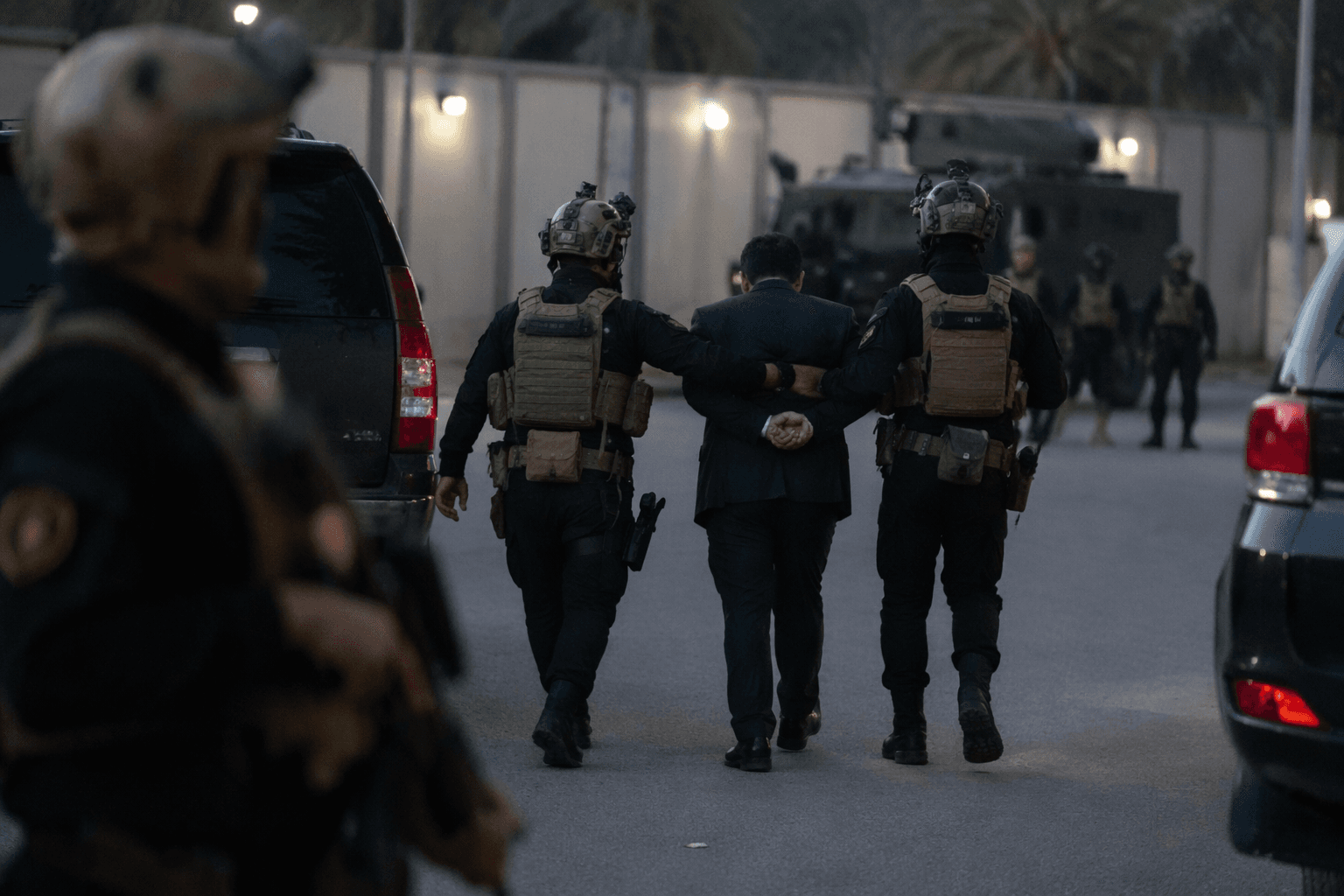
Elite Counter Terrorism Service units raided homes in Baghdad’s Green Zone and other parts of the city on June 28, detaining politicians and senior officials in an overnight anti-corruption sweep. Iraq’s state news agency INA said 47 suspects were taken into custody, including members of parliament and government officials, and among those detained was Ali Maarij, the deputy oil minister for distribution affairs.
The operation landed in the Green Zone, the heavily fortified district that houses government offices and embassies, giving the crackdown immediate political weight. Prime Minister Ali al-Zaidi, who took office in May, had ordered the campaign as part of a broader push against corruption, and the use of elite counterterrorism units signaled that the government wanted to project force well beyond routine police work.
The arrests also reached into the oil sector, where patronage has long overlapped with state finance and political influence. Iraq’s economy still runs on an oil-led model that the World Bank says has contributed to volatility, while governance reform remains a core need. The bank puts Iraq’s unemployment rate at 13.5 percent and its labor force participation rate at 38 percent, with people aged 15 to 29 making up nearly 29 percent of the population and facing a labor market that absorbs too few private-sector jobs.
The country’s corruption record remains bleak. Transparency International’s 2025 Corruption Perceptions Index gave Iraq a score of 28 out of 100 and ranked it 136th out of 182 countries, underscoring how deeply graft remains embedded in public life despite repeated pledges to clean it up. UNDP and Iraq’s Supreme Judicial Council have been tracking high-level corruption trials through the Central Anti-Corruption Criminal Court, showing that the judiciary already has an anti-graft pipeline in place, even if it has often moved unevenly.
The June 28 arrests came after a series of other moves that suggest a wider campaign inside the oil system. In one separate probe, authorities recovered more than $107 million in allegedly stolen state cash. In another oil-ministry case, investigators seized $10 million, 40 properties and weaponry. Iraq Oil Report also said former deputy oil minister for refining Adnan Hamad Hamoud was arrested on May 30 in a case tied to the Baiji refinery.
Taken together, the raids show al-Zaidi reaching beyond low-level bureaucratic offenses and into the networks that have long protected senior officials, control over oil revenues and political access in Baghdad.
This article was produced by Prism’s automated news system from verified source data, official records, and press releases, then run through automated quality and moderation checks before publishing. The system is built and supervised by the people who set the standards it runs under. Read our full AI policy.
Did this article answer your question?