Iraqi Kurds kidnapped in Libya, threatened with kidney removal for ransom
More than 300 Iraqi Kurdish migrants were held in Libya, where militiamen demanded $5,000 per family and threatened kidney removal if ransoms were not paid.
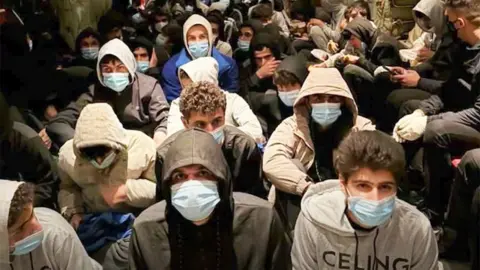
More than 300 migrants heading to the UK were kidnapped in Libya last summer, beaten and threatened with forced organ removal unless their families paid up. The captives were young men from Iraqi Kurdistan, held by a militia that treated the route north as a business of extortion as much as smuggling.
The ransom demand was $5,000, or about £3,700, for each family. Released hostages said the threats were brutally specific: if money did not arrive quickly, their kidnappers warned they would harvest the men’s kidneys. That detail matters because it shows how criminal networks on the migration route use fear not only to extract payment, but to keep families trapped in a spiral of urgency and debt.
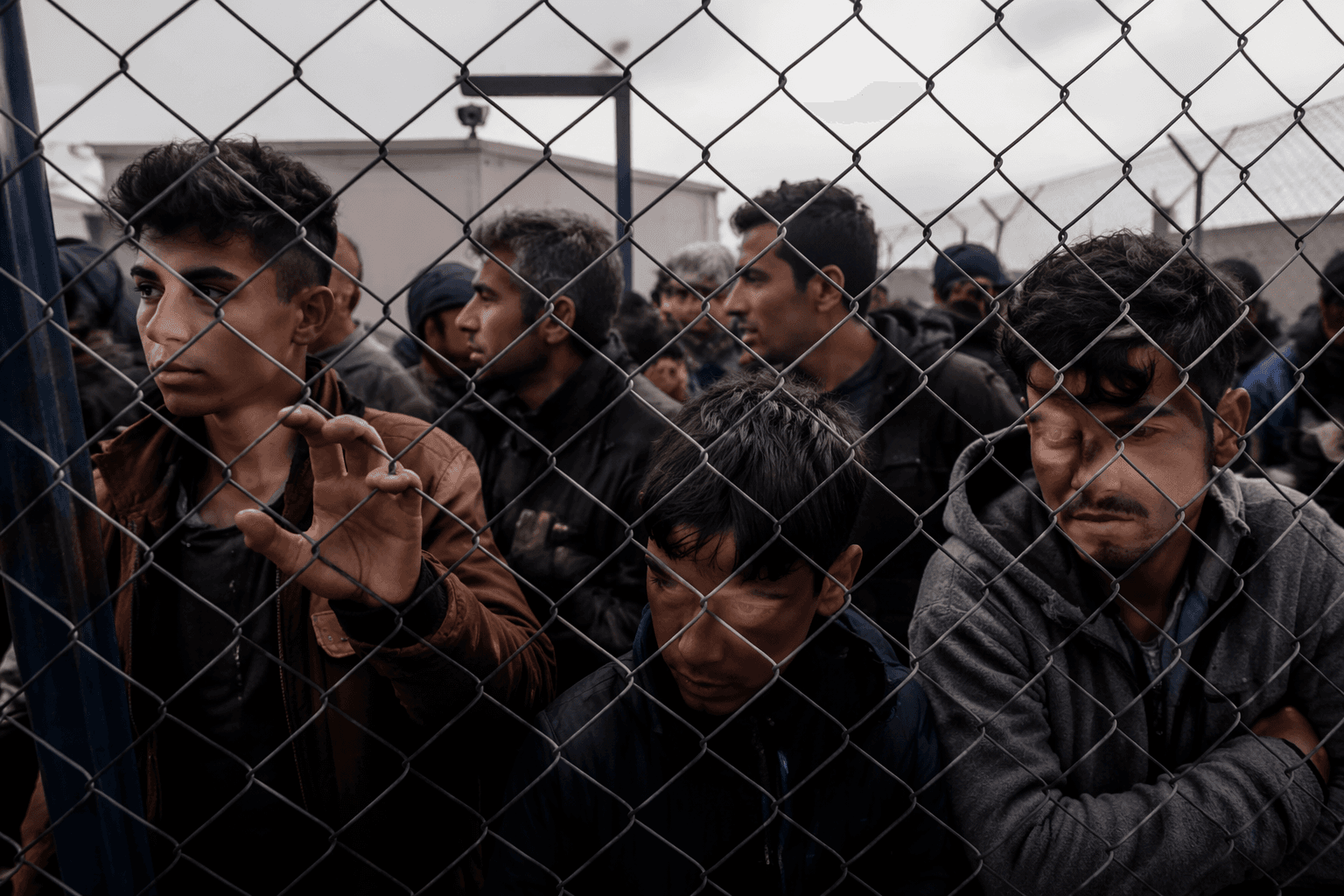
Those who survived described cramped and punishing detention conditions. Nearly 180 people were packed into a single cell, according to released hostages who later spoke about the ordeal. The accounts point to a system in which kidnapping, torture and ransom are part of the same illicit economy, layered on top of the smuggling networks that move people across North Africa toward Europe.
The scale of the case became clearer when more than 100 hostages were flown back to Iraqi Kurdistan after being released in January. Their return showed that at least some of the men eventually made it home, but only after months in captivity and after their families had been pushed into negotiations with armed groups in Libya.
The Libyan case also sharpens the broader warning from the United Nations Office on Drugs and Crime, which says trafficking for organ removal is a real crime and one often obscured by myths and misconceptions. In practice, that makes threats of kidney removal part of the coercive toolkit of trafficking groups, whether or not every threat ends in surgery.
For Britain and Europe, the episode lays bare a gap in migration policy that extends far beyond the Channel. Efforts focused on interceptions, returns and border pressure do little to disrupt the violent markets that emerge earlier in the journey, where militias and traffickers can profit from the desperation of people trying to reach the UK. The route to Britain is not only a question of boats and borders. In Libya, it is also a route of abduction, torture and ransom.
This article was produced by Prism’s automated news system from verified source data, official records, and press releases, then run through automated quality and moderation checks before publishing. The system is built and supervised by the people who set the standards it runs under. Read our full AI policy.
Know something we missed? Have a correction or additional information?
Submit a Tip