IRS law bars presidents from halting audits, Trump case reignites debate
Federal law makes it a felony to pressure the IRS on audits, yet Trump’s tax fight has revived fears that political power can still bend the system.
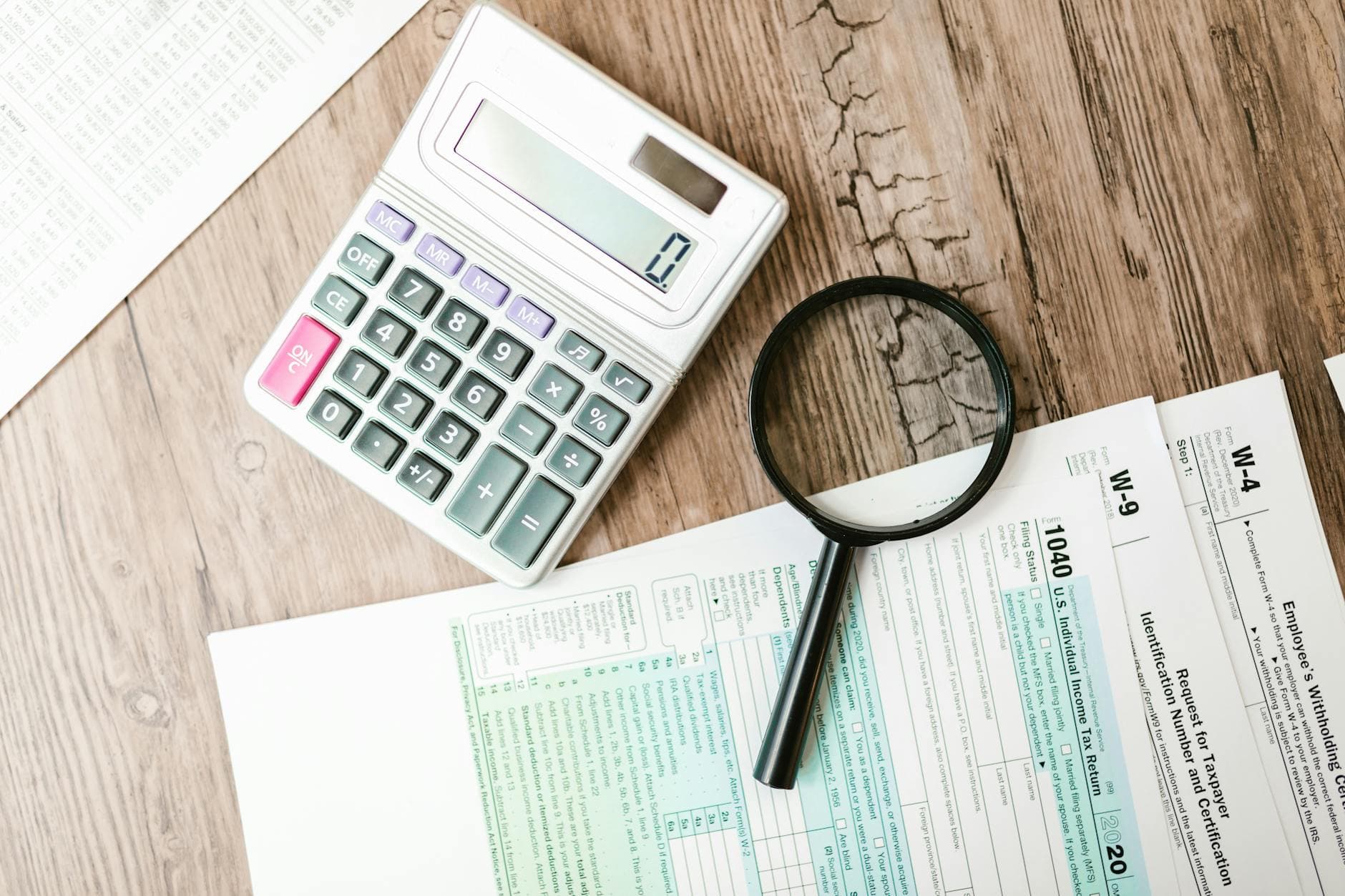
Federal law gives no president the power to tell the Internal Revenue Service to stop an audit, a safeguard meant to keep tax enforcement separate from the White House. That boundary is now under fresh strain after the Department of Justice expanded a settlement in May 2026 to bar the IRS from pursuing existing audits and claims involving Donald Trump, his family, the Trump Organization and related trusts and affiliates.
The dispute reaches back to the IRS’s mandatory presidential audit policy, which dates to 1977. The House Ways and Means Committee said that process was “dormant, at best” during the early years of Trump’s presidency, and the first audit of Trump’s 2016 return did not begin until April 3, 2019, more than two years after he took office. The committee later pushed legislation requiring presidential tax audits, underscoring how dependent the system had become on internal discipline rather than outside enforcement.
The legal guardrail is explicit. Under 26 U.S.C. § 7217, it is a felony for the president, vice president or their employees to ask the IRS to audit someone or cancel an audit. If an IRS employee receives that kind of prohibited request, the law says the employee must report it to the Treasury Inspector General for Tax Administration. That reporting requirement is designed to protect career officials from political pressure, and to create a paper trail if pressure is applied from the West Wing or elsewhere in government.
Trump’s fight with the IRS was already a source of concern before the new settlement. The New York Times reported that the agency was disputing a $72.9 million refund claim Trump had made starting around 2010. ProPublica later reported that if Trump lost, the government’s potential bill could exceed $100 million, before interest and penalties. Those figures helped turn an ordinary tax dispute into a test of whether the country’s tax system could enforce the law against a former president with extraordinary political leverage.
The settlement tied to Trump’s lawsuit over the leak of his tax returns, which sought $10 billion, has deepened that concern. Critics in Washington said permanently shutting down audits of a sitting president and his family would be unprecedented and unusually difficult to unwind. Senate Finance Committee Chairman Ron Wyden said the IRS was “asleep at the wheel,” arguing that the presidential audit program is broken.
For career IRS officials, the issue is not partisan theater but institutional survival. The agency is supposed to follow the law, shield audits from political direction and preserve the appearance of neutrality. When that balance fails, the damage extends beyond one taxpayer, cutting into public trust that the tax code applies the same way to presidents and everyone else.
This article was produced by Prism’s automated news system from verified source data, official records, and press releases, then run through automated quality and moderation checks before publishing. The system is built and supervised by the people who set the standards it runs under. Read our full AI policy.
Did this article answer your question?

