Isfahan University develops lab-scale electrocoagulation reactor removing 98% colour, 80% pollutants
Isfahan University of Technology built a lab-scale electrocoagulation reactor that removed up to ~98% of colour and more than 80% of major chemical pollutants from real textile dyeing wastewater, reported as published in Scientific Reports.
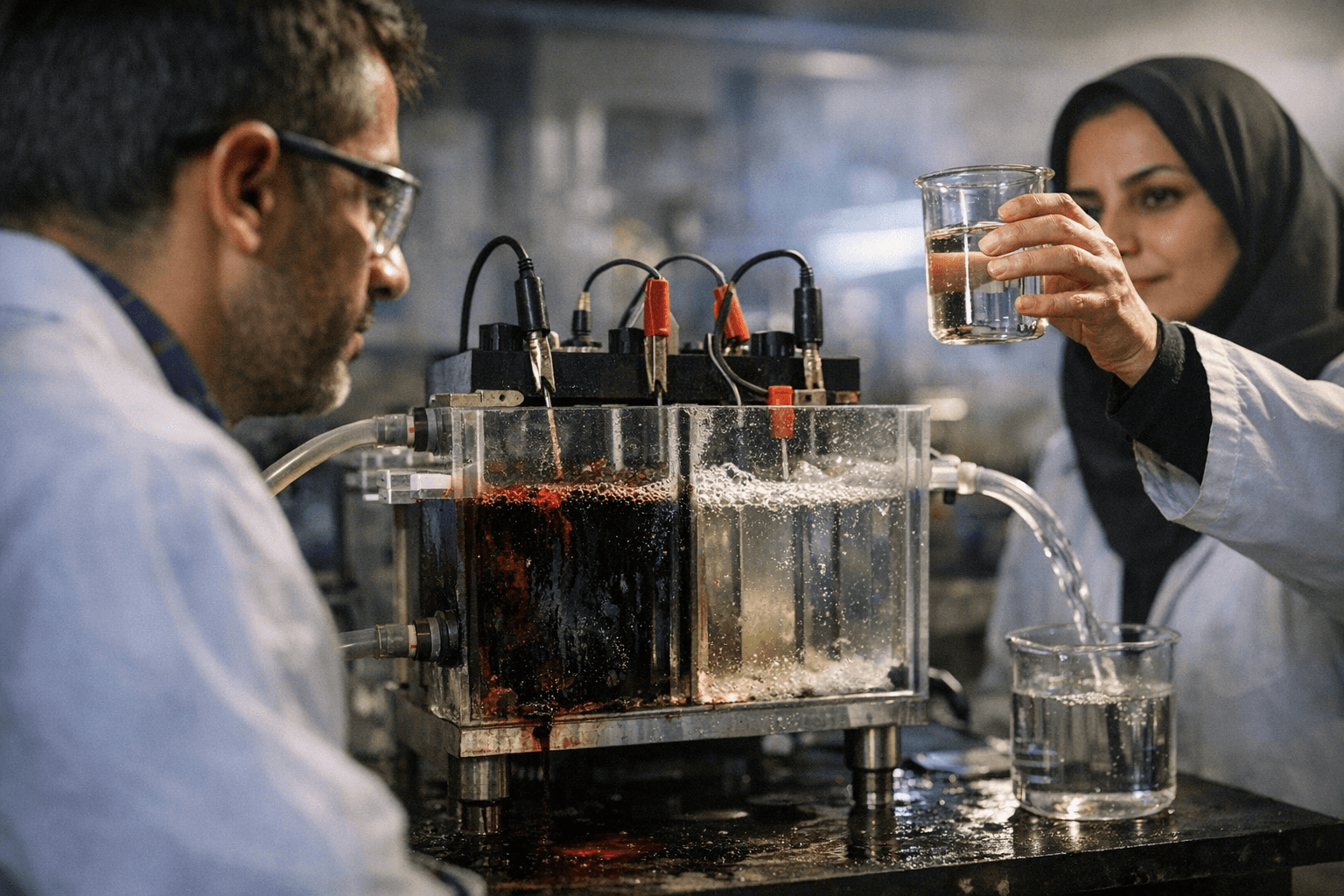
Researchers at Isfahan University of Technology have reported a laboratory-scale electrocoagulation reactor that, in tests on real textile dyeing wastewater, removed up to approximately 98 percent of visible colour and more than 80 percent of major chemical pollutants. The study is reported as published in the peer-reviewed journal Scientific Reports and is being framed by industry observers as a significant step toward cleaner textile manufacture.
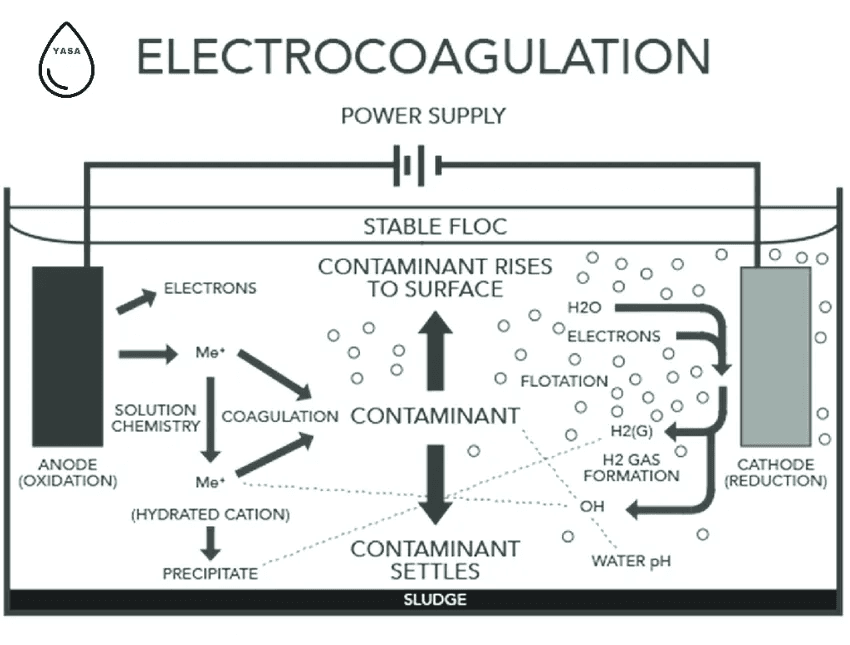
Electrocoagulation, the team explains in the reporting, operates by passing an electric current through metal electrodes in the wastewater, triggering reactions that destabilise and bind pollutants so they can be separated. The Isfahan group’s contribution is described as a redesigned reactor intended to improve efficiency and contaminant removal within that established method; the published results focus on colour reduction and broad pollutant load reductions rather than on detailed energy or cost metrics.
The headline numbers are striking: colour removal reported up to ~98 percent and removal of more than 80 percent of major chemical pollutants commonly present in textile effluents. Multiple trade outlets restated those figures, and the reporting emphasizes that the experiments were carried out at laboratory scale on real effluent samples rather than on synthetic dye solutions alone. Despite the strong percentage reductions, the authors and commentators note that pilot-scale and industrial testing will still be required to confirm performance under continuous-flow, full-scale factory conditions.
For technical context, a separate research article in Iran. J. Chem. Chem. Eng. (Vol. 42, No. 5, 2023) by Karagözoğlu and Malkoç provides a useful picture of common electrocoagulation practice: that study tested Remazol Ultra Red RGB (reactive red 239), measured COD by the Open Reflux colorimetric method and absorbance by UV-VIS spectrophotometer, and calculated colour and COD removal using specific equations. That paper also highlights a recurring engineering tradeoff: parallel bipolar electrode configurations can yield more uniform potential and current distribution, reducing parasitic reactions and improving energetic use, while monopolar connections have been found to offer higher current efficiency and lower operating costs in some comparisons. Those electrode-connection findings belong to the 2023 Turkish study and serve as background for evaluating reactor designs rather than as attributes of the Isfahan reactor itself.
Industry watchers point to concrete consequences for sourcing and compliance: trade reporting called the Isfahan result “a potential solution for the pollution caused by textile dyeing,” and noted that as brands face stricter sourcing rules and regulatory pressure, scalable wastewater treatment could become a decisive supplier requirement. Related industry moves already in the market include pilots such as Viridis Research and H&M Group working on wastewater treatment technologies and other firms testing downstream solutions.
Share-ready summary to forward: Isfahan University lab reactor cut dye colour by up to 98% and removed >80% of major pollutants; results reported in Scientific Reports; pilot and industrial tests are still required to confirm energy use, electrode materials and full-scale costs. The laboratory result is technically persuasive and, if energy and cost metrics hold up at scale, could become a practical tool for fashion brands aiming to close the loop on colour-intensive manufacturing.
Know something we missed? Have a correction or additional information?
Submit a Tip