Israel bill on West Bank heritage sites draws annexation fears
Israel’s West Bank heritage bill cleared a first Knesset vote by 23-14, while critics warned it would shift control of ancient sites from Palestinians to Israel.
Israel’s Knesset approved the first reading of the Judea and Samaria Heritage Authority Bill by 23 votes to 14, advancing a proposal that would place ancient sites in the West Bank under a new Israeli civilian authority. The Education, Culture and Sports Committee was still debating the measure on May 25 and May 26, as lawmakers weighed whether to move it toward final votes before parliament disperses ahead of an election expected by October 27.
The bill would create a civilian statutory body under the Ministry of Heritage with responsibility for excavation, preservation, supervision and management of antiquities across the West Bank. In some drafts, its reach extends beyond Area C into Areas A and B, and even the Gaza Strip. The scope would transfer practical control without any formal annexation declaration. The proposal would replace the Civil Administration’s Staff Officer for Archaeology, the existing body overseeing West Bank antiquities under Israeli military administration. Peace Now called it the most significant annexationist step since Israel annexed East Jerusalem in 1967.
The Knesset committee’s legal adviser, Tami Sela, warned that the bill contradicts international agreements adopted into law and reinforces claims of creeping annexation. The committee’s legal team warned the proposal raises serious legal and principled problems because it would move operational powers affecting Palestinian residents and land to an independent Israeli authority reporting directly to the Minister of Heritage. Hani Al-Hayek, the Palestinian tourism minister, called the purpose an effort to expand control and settlements deep inside Palestinian territories.
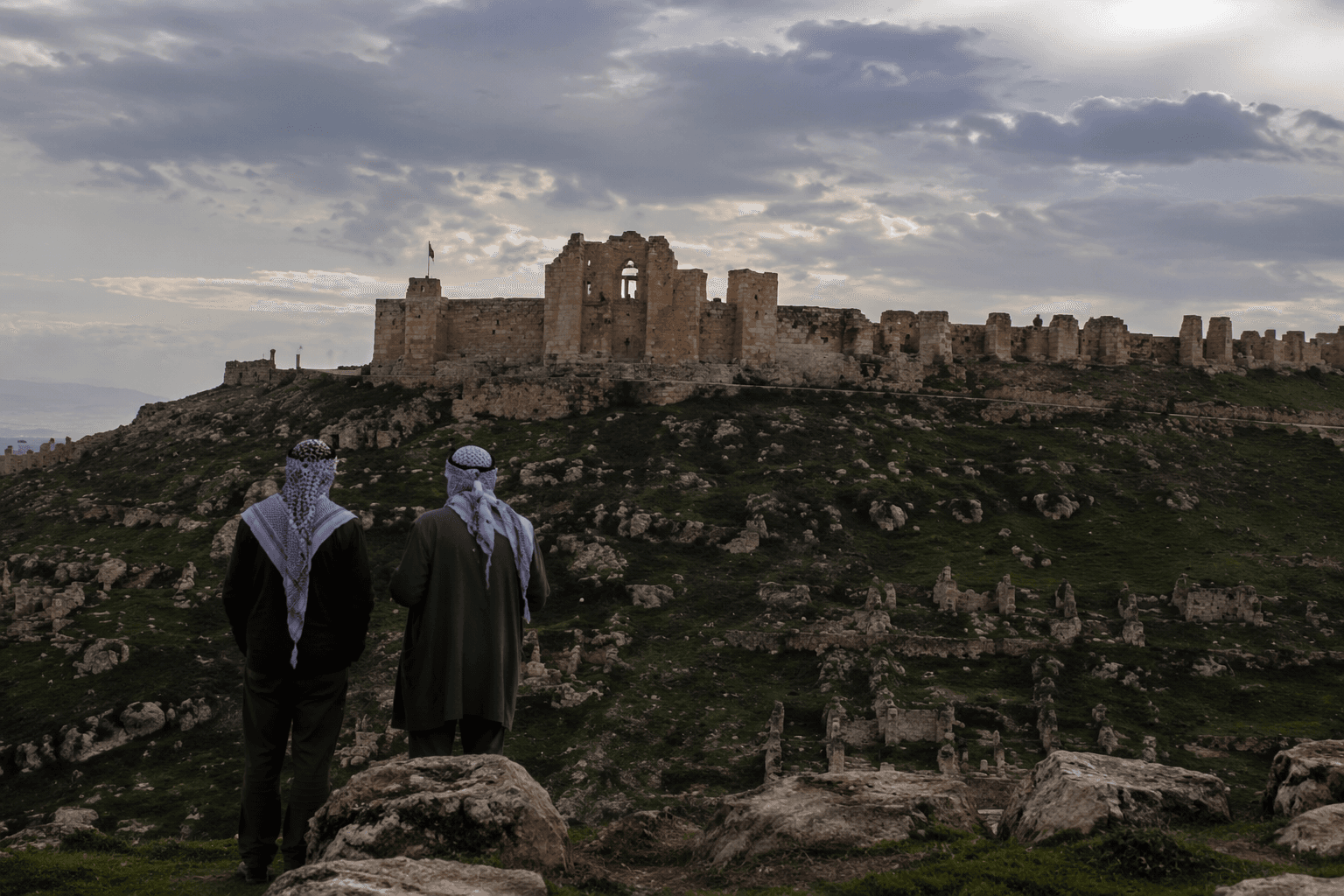
Sebastia relies heavily on tourism around an archaeological site that includes remains from the 9th century B.C. Israelite kingdom, along with Roman, Byzantine, Crusader and Ottoman layers. A late-2025 seizure plan could affect about 1,800 dunams, or 445 acres, and roughly 5,000 olive trees in the surrounding groves, local officials estimate. Deputy Mayor Nizar Kayed warned residents would be left without resources because water sources, roads and antiquities were being folded into the same plan.
Peace Now put the Sebastia expropriation at 2,068 dunams on February 11, 2026, and another 110 dunams at Nabi Samuel in May.
This article was produced by Prism’s automated news system from verified source data, official records, and press releases, then run through automated quality and moderation checks before publishing. The system is built and supervised by the people who set the standards it runs under. Read our full AI policy.
Know something we missed? Have a correction or additional information?
Submit a Tip