Israel, Lebanon strikes raise questions over U.S.-Iran deal
A ceasefire took hold, but strikes in southern Lebanon killed at least five more people and put fresh strain on the U.S.-Iran interim deal.

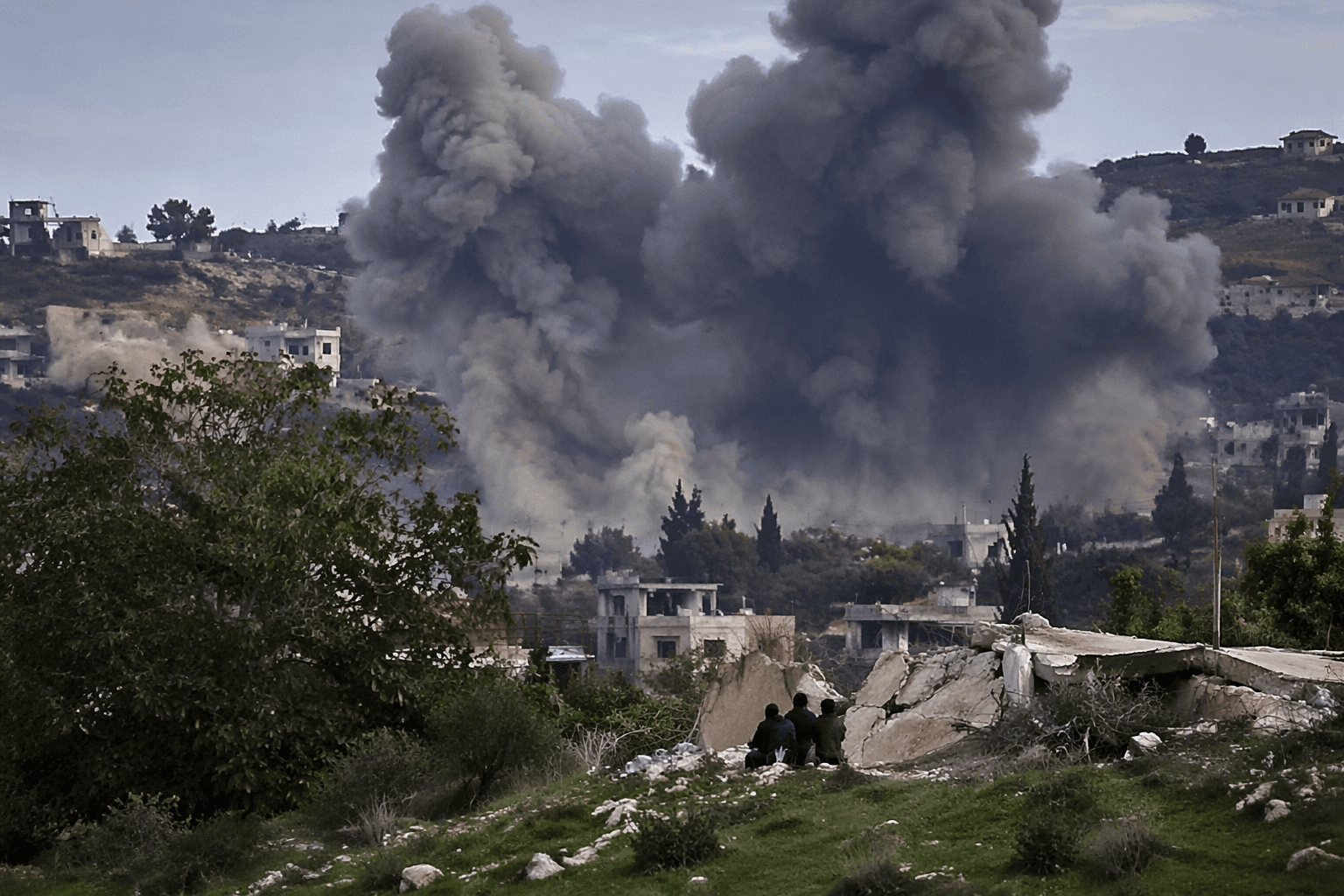
Israeli airstrikes and drone attacks kept hitting southern Lebanon after a ceasefire between Israel and Iran-backed Hezbollah took effect, killing at least five people on Saturday and leaving the truce under immediate pressure. The previous day was deadlier still, with Israeli strikes in Lebanon killing at least 15 people as the fighting briefly tested the U.S.-Iran interim deal aimed at cooling the wider Middle East conflict.
The ceasefire was reached on Friday, June 19, according to Reuters and U.S. officials, but the violence did not stop at the border. Israel said its attacks were aimed at Hezbollah targets, while the continued strikes in southern Lebanon on Saturday raised a sharper question: whether the agreement is holding in practice, or only on paper. For now, the verified facts are stark. A truce was announced, and then the guns kept firing.
The bigger unresolved issue is whether the Lebanon front will remain localized or pull larger diplomatic efforts back into crisis mode. The U.S.-Iran interim deal has already been described as being sorely tested by the fighting, which gives the ceasefire failures more weight than a routine exchange of fire. If the hostilities widen again, the conflict could once more become a direct measure of whether Washington, Tehran, Israel and Hezbollah can keep a fragile channel open long enough to prevent a broader regional rupture.
What happens in the next 24 to 72 hours will tell the story. More strikes in southern Lebanon, especially if they continue after the ceasefire window, would signal that the truce is fraying and that the U.S.-Iran deal is absorbing another shock. A real move toward stabilization would look different: no further Israeli attacks, no Hezbollah response, and a visible drop in claims and counterclaims about targeting. Until then, the ceasefire remains a test of restraint, not evidence of it.
This article was produced by Prism’s automated news system from verified source data, official records, and press releases, then run through automated quality and moderation checks before publishing. The system is built and supervised by the people who set the standards it runs under. Read our full AI policy.
Know something we missed? Have a correction or additional information?
Submit a Tip