Israel lets women take rabbinic exams for first time
Three Orthodox Jewish women sat Israel’s state rabbinic exam for the first time, a legal breakthrough that opens credentials without granting the rabbi title.
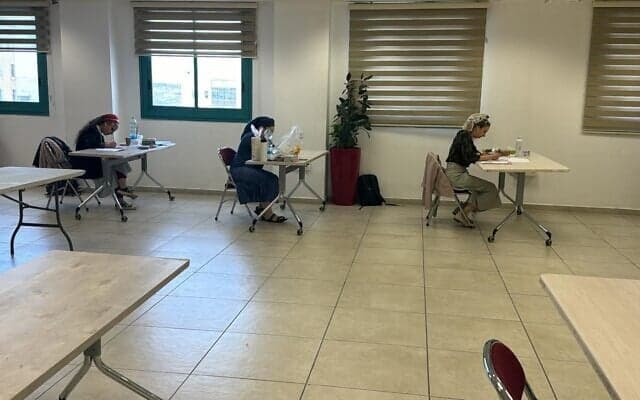
Three Orthodox Jewish women sat for Israel’s state rabbinic exam for the first time on April 27, 2026, breaking a barrier that had kept the test open only to men. The nearly six-hour examination, administered by the Chief Rabbinate at the Religious Services Ministry in Jerusalem, covered Jewish law and laws of mourning, and the women were tested in a separate location from the men after an emergency injunction.
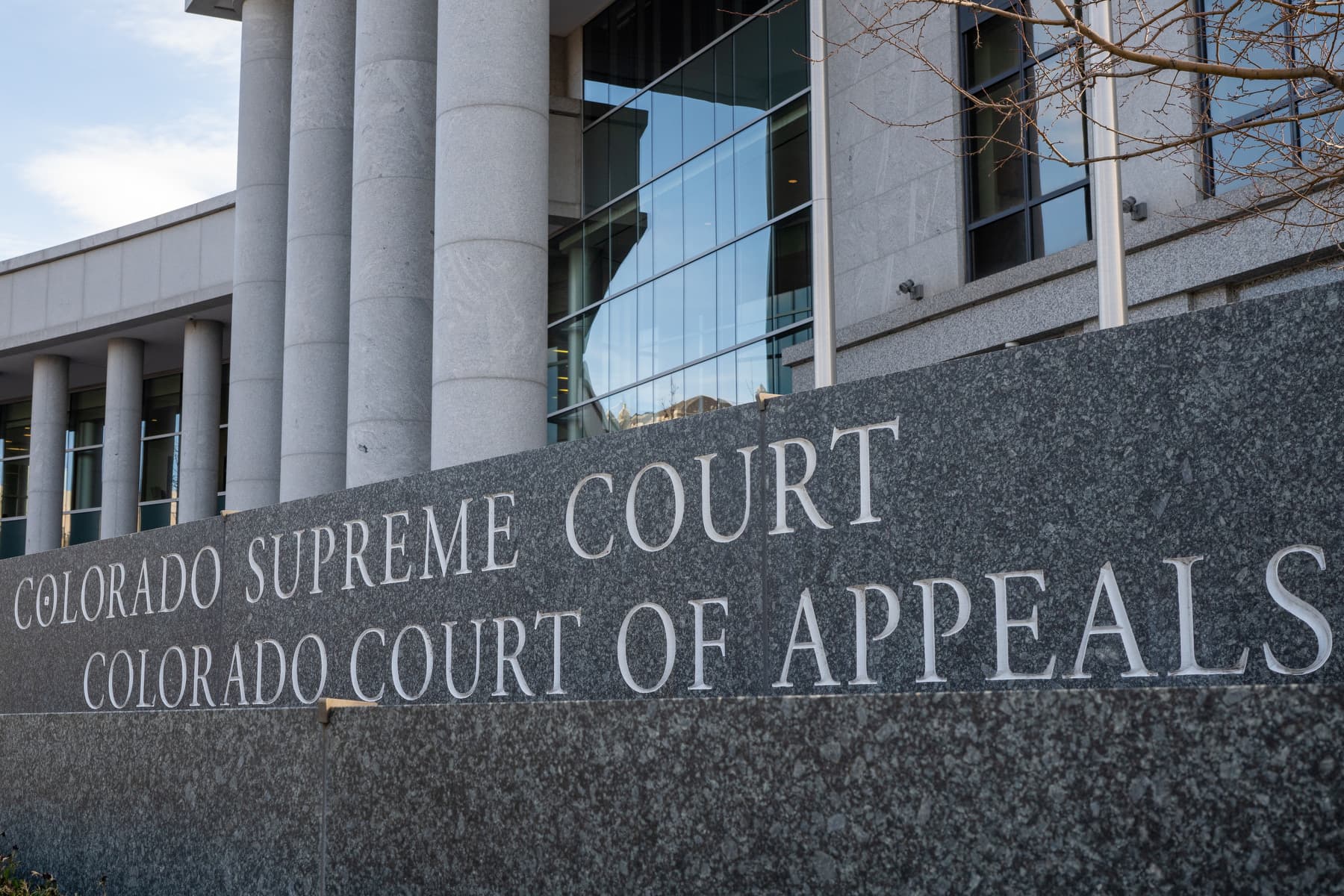
The milestone came after a six-year legal battle that ended in July 2025, when the High Court of Justice ruled unanimously that the Chief Rabbinate must allow women to take the same rabbinic exams as men. The court said excluding women was prohibited discrimination without sufficient justification, forcing the state religious system to open a credentialing path that had been closed to them for generations.
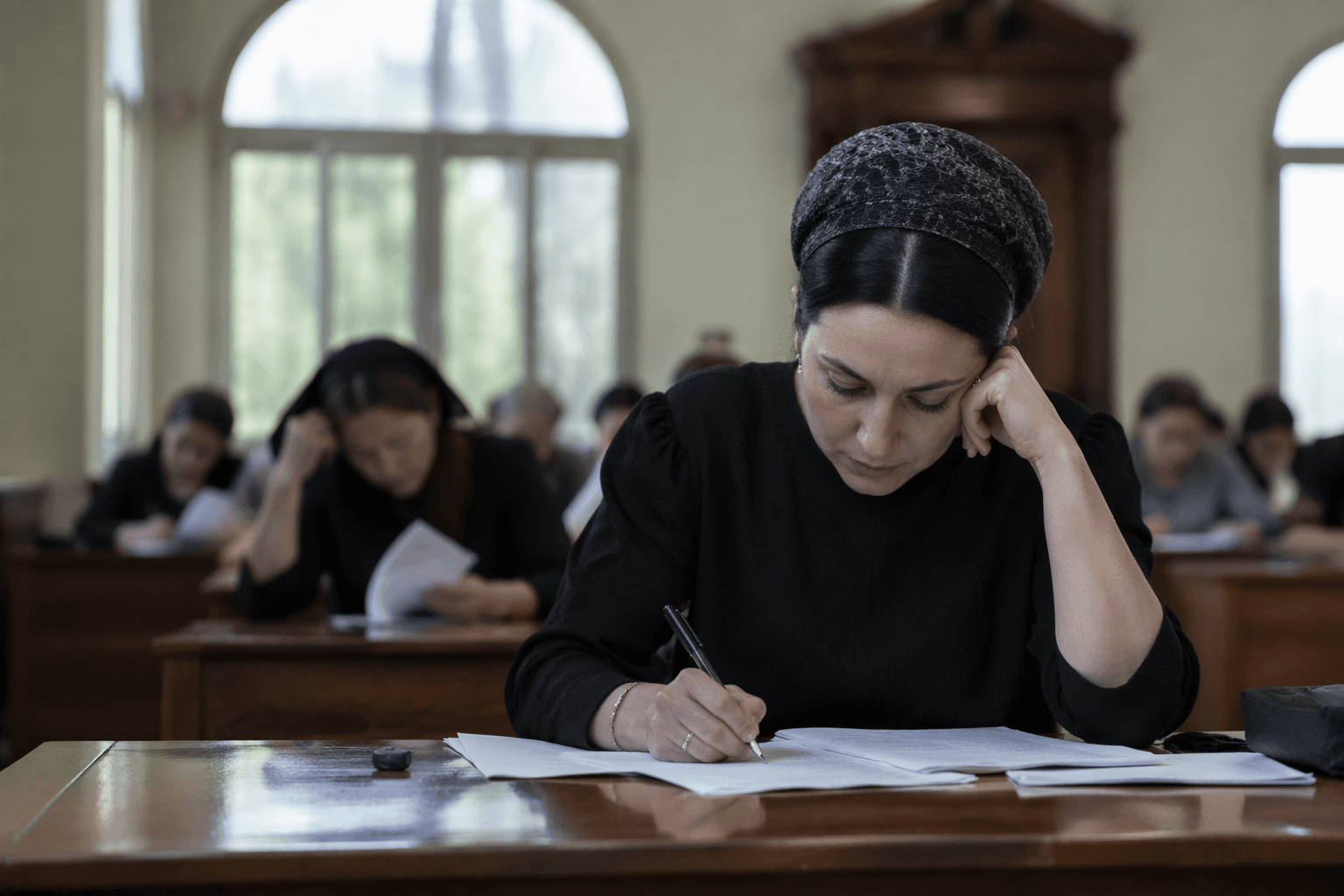
The Chief Rabbinate did not embrace the change quickly. After the ruling, it sought to delay implementation and asked for another hearing. It was not until February 2026 that registration opened to women, setting up the April exam that produced the first female test-takers in history. The ruling and the test-taking mark a clear procedural shift, but only a partial one: women can now enter the exam room, yet the Rabbinate still does not officially recognize them as Orthodox rabbis.
That distinction is the heart of the fight. Advocates say the exam matters because it can qualify women for leadership and public-sector roles tied to state-funded religious services, even if the title of rabbi remains out of reach in the Orthodox establishment. For supporters such as the Rackman Center, Itim and Kolech: Religious Women’s Forum, the new access is less about symbolism than about opening professional doors in a system where religious credentials still shape hiring, status and authority.
The women linked to the campaign include scholars Avital Engelberg and Sarah Segal-Katz, who have been part of a broader push against what supporters describe as a long-standing glass ceiling in Torah study and religious certification. The practical change is limited, but in Israel’s Orthodox power structure it is still consequential: women can now compete for the same state exam as men, even as the institutions behind it continue to draw a line at full rabbinic authority.
This article was produced by Prism’s automated news system from verified source data, official records, and press releases, then run through automated quality and moderation checks before publishing. The system is built and supervised by the people who set the standards it runs under. Read our full AI policy.
Did this article answer your question?