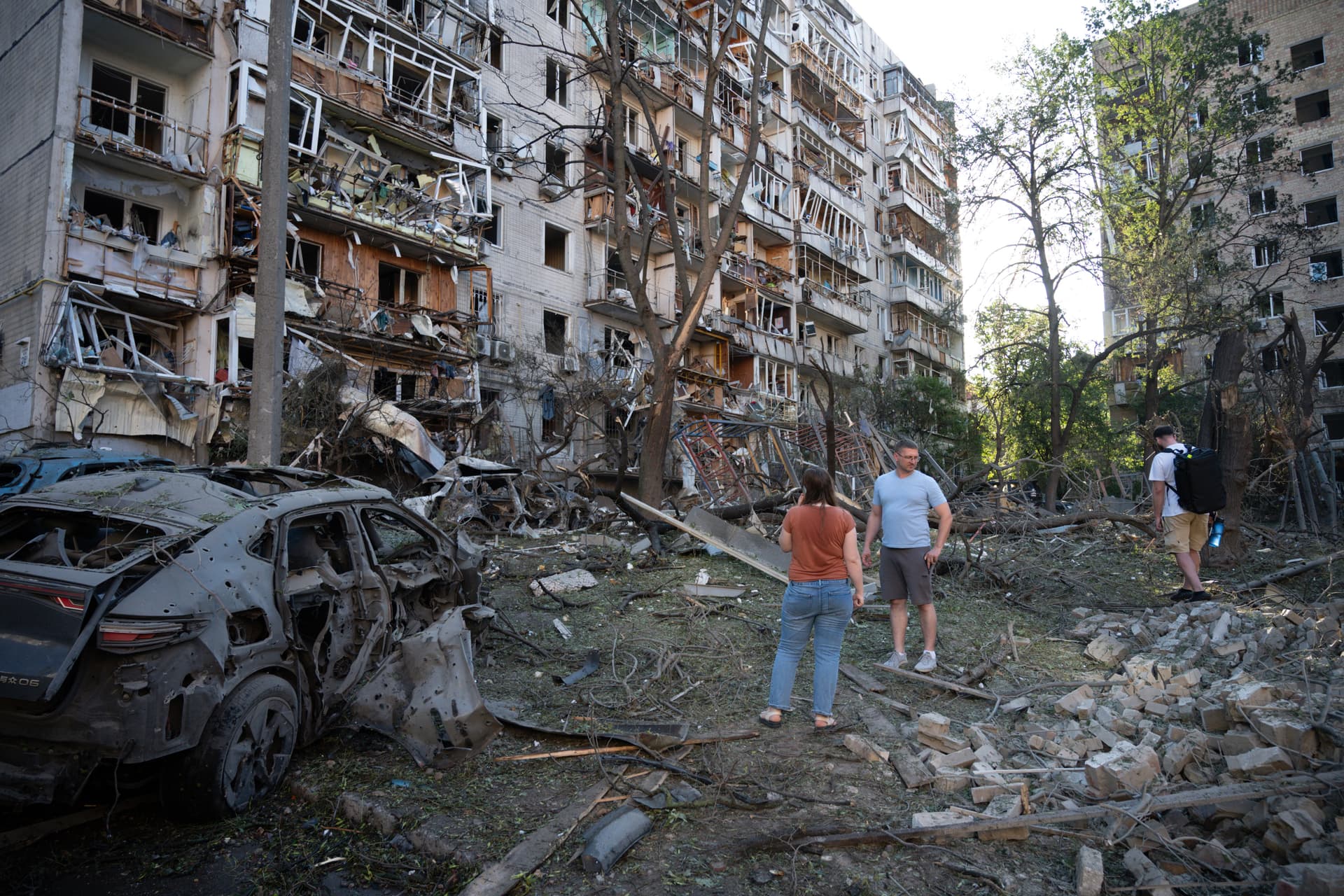
Israel orders forced evacuation of Gaza families east of Khan Younis
Israeli forces dropped leaflets ordering tent encampments in Al-Reqeb to evacuate, raising new displacement and humanitarian concerns in southern Gaza.
Israeli forces dropped leaflets on Jan. 19 ordering dozens of Palestinian families in the Al-Reqeb neighborhood of Bani Suhaila, east of Khan Younis, to immediately evacuate parts of the area, residents said. The notices, printed in Arabic, Hebrew and English, were distributed to people living in tent encampments and signaled the first forced evacuation of its kind since the October ceasefire.
Local residents described the orders as affecting "dozens of families." Ismail Al-Thawabta, director of the Hamas-run Gaza government media office, offered a larger estimate, saying roughly 3,000 people were subject to the latest evacuation demand and that Israeli forces have expanded control in eastern Khan Younis five times since the ceasefire, cumulatively displacing at least 9,000 people. Al-Thawabta characterized the leaflet drop as "a measure that falls within a policy of intimidation and pressure on civilians." There was no immediate comment from Israeli authorities.
Humanitarian groups and UN agencies have repeatedly warned that evacuation orders in Gaza produce acute needs for shelter, food, water and medical care and complicate already strained aid deliveries. In recent months, tent encampments in southern Gaza have been focal points for displaced families who fled earlier rounds of fighting; further displacements threaten to overrun the limited shelter capacity and deepen chronic shortages of clean water and sanitation.
Operationally, sudden evacuations create immediate protection and logistics challenges. Humanitarian responders face difficulty in verifying headcounts and tracking movements when notices are distributed without clear safe relocation options. The differing tallies of those affected underscore the uncertainty on the ground: resident reports used the phrase "dozens of families," while local authorities aligned with Hamas gave higher, specific figures. Independent verification from neutral agencies and direct assessments by UN operations will be necessary to confirm the scale and destinations of the newly displaced.

The latest orders carry broader legal and economic implications. International legal experts have cautioned that large-scale, government-directed population movements can raise questions about forcible transfer. Economically, repeated displacements depress local markets, disrupt livelihoods and compound the costs of recovery. For southern Gaza, where commerce and agricultural activity remain fragile after years of conflict, the removal of thousands of residents from market towns and farming areas can interrupt supply chains, reduce household incomes and increase dependence on external aid.
Donor agencies will likely face immediate pressure to reallocate emergency funding for shelter and basic services, further stretching budgets earmarked for reconstruction. Longer term, recurrent forced movements increase the cost and complexity of rebuilding infrastructure and restoring economic activity in affected neighborhoods.
Key gaps remain. Authorities have not provided an operational justification for the leaflet campaign or clarified safe routes and shelter options for those told to leave. Independent counts of people displaced in Al-Reqeb and confirmation of their current locations are not yet available. Follow-up verification from neutral observers and statements from Israeli forces will be essential to establish the full humanitarian and legal picture.
This article was produced by Prism’s automated news system from verified source data, official records, and press releases, then run through automated quality and moderation checks before publishing. The system is built and supervised by the people who set the standards it runs under. Read our full AI policy.
Did this article answer your question?