Israel sidelines as Trump nears Iran framework deal
Netanyahu says Israel has little leverage as Trump nears an Iran framework that could reopen Hormuz and leave Jerusalem calling it a bad deal.
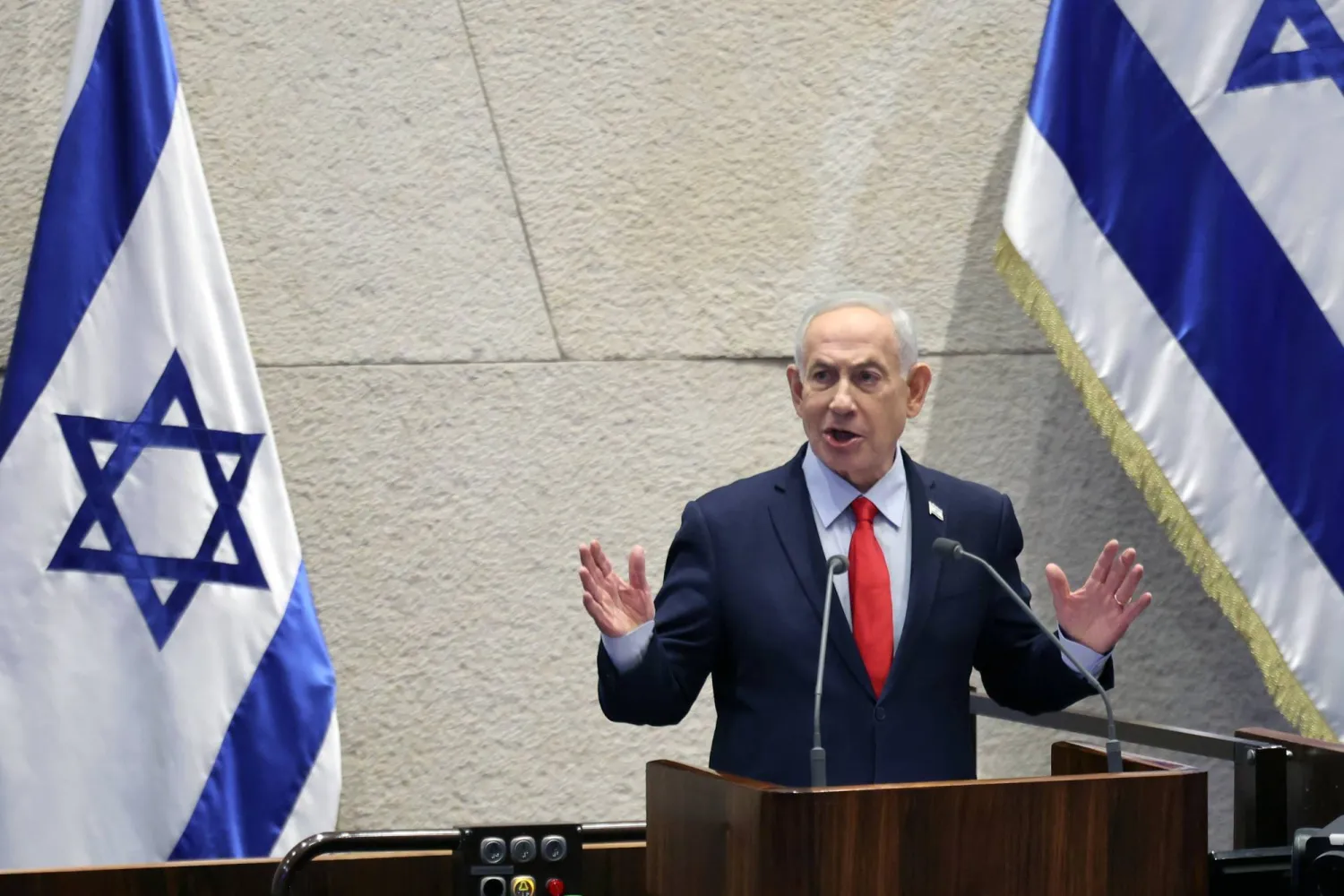
Israel’s leaders are watching the U.S.-Iran talks from the edge of the room, even as the diplomatic draft threatens to reset the regional balance around their heads. Benjamin Netanyahu has told confidants that Israel has little ability to influence Donald Trump’s decisions on Iran, a blunt acknowledgement of how marginal Jerusalem feels while negotiators close in on a framework that could reopen the Strait of Hormuz and start a 30-day window for a broader deal.
The emerging outline has set off alarm in Jerusalem because Israeli officials say it leaves too much of Iran’s nuclear machine intact. They have called it “a bad deal,” arguing that any agreement that does not strip Tehran of enrichment capacity and remove its stockpile would miss the broader threat posed by Iran beyond the nuclear file. Netanyahu has publicly insisted the war with Iran is “not over” and has said there is still enriched uranium that must be removed from Iran, signaling that Israel’s own red lines go beyond a narrow verification regime.
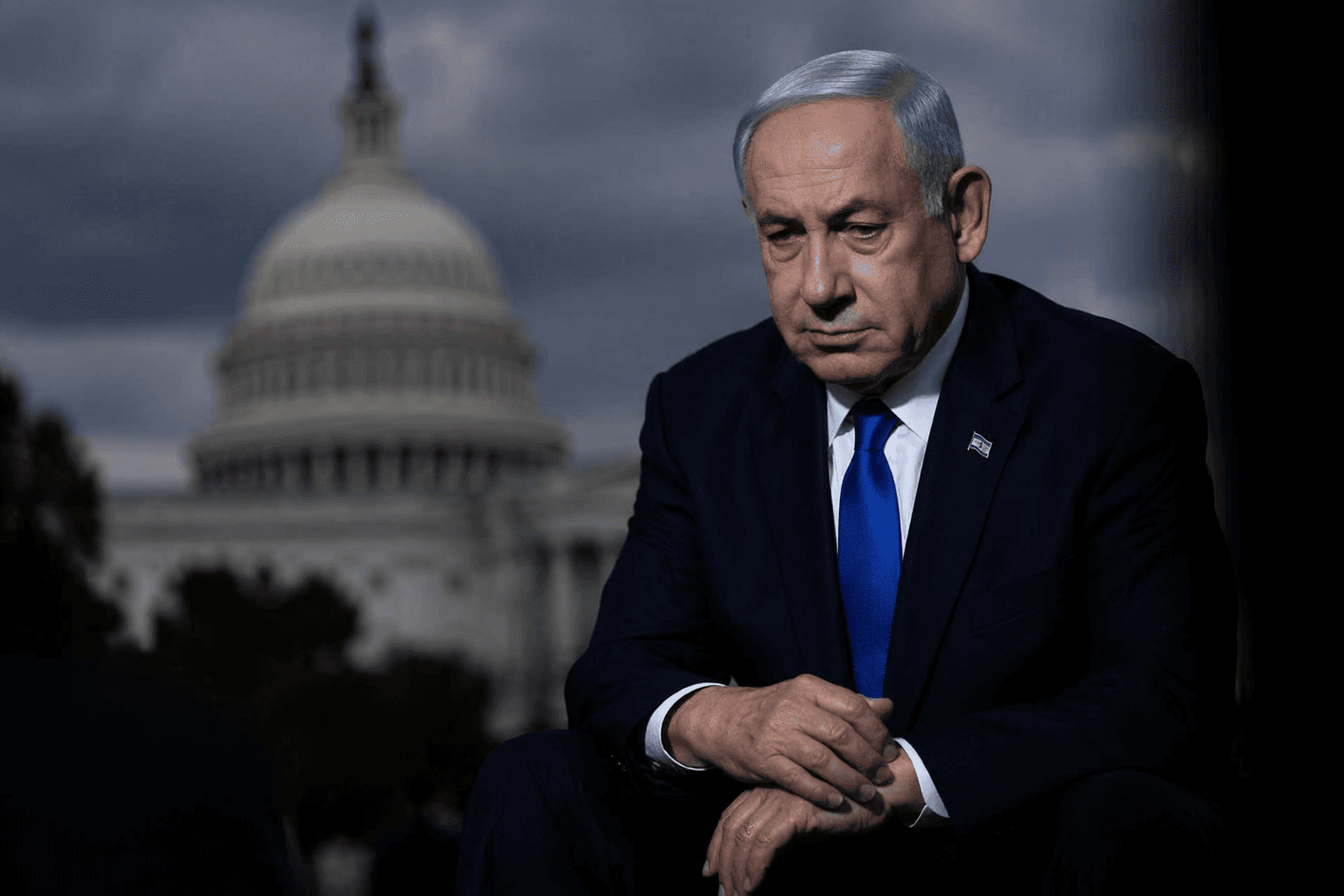
Trump has tried to reassure Netanyahu that he will not accept a final agreement unless Iran’s nuclear program is dismantled. He also said he spoke with Netanyahu about the deal and that the call “went very well.” But that reassurance has not erased the core Israeli fear: that Washington could settle for a framework Israel did not shape, with regional mediators including Qatar and Pakistan helping carry the talks forward.
The tension is sharpened by events on Israel’s northern front. As the Iran diplomacy advanced, the Israel Defense Forces kept striking Hezbollah targets in Lebanon, including attacks reported on Monday in southern Lebanon and the Bekaa Valley. On May 25, Netanyahu ordered Israel to intensify strikes against Hezbollah, pressing ahead with a campaign aimed at “crushing” the group despite the April ceasefire. The military pressure sends a clear message that Israel is preparing for a wider regional contest even while U.S. diplomacy moves in another direction.
That is the strategic dilemma now hanging over Jerusalem. A deal could buy a pause, restore shipping through the Strait of Hormuz and reduce the risk of a direct Iran conflict. It could also leave Israeli leaders boxed in by an agreement they did not shape, facing an Iranian nuclear infrastructure they still consider dangerous and a U.S. president who appears determined to claim a breakthrough.
This article was produced by Prism’s automated news system from verified source data, official records, and press releases, then run through automated quality and moderation checks before publishing. The system is built and supervised by the people who set the standards it runs under. Read our full AI policy.
Did this article answer your question?