Trump urges calm as Israel’s Lebanon strike complicates Iran deal
Trump pressed for calm as Israeli fire on Beirut’s Dahiyeh killed at least three, even as Qatari mediators raced to Tehran and Iran kept the deal timetable uncertain.

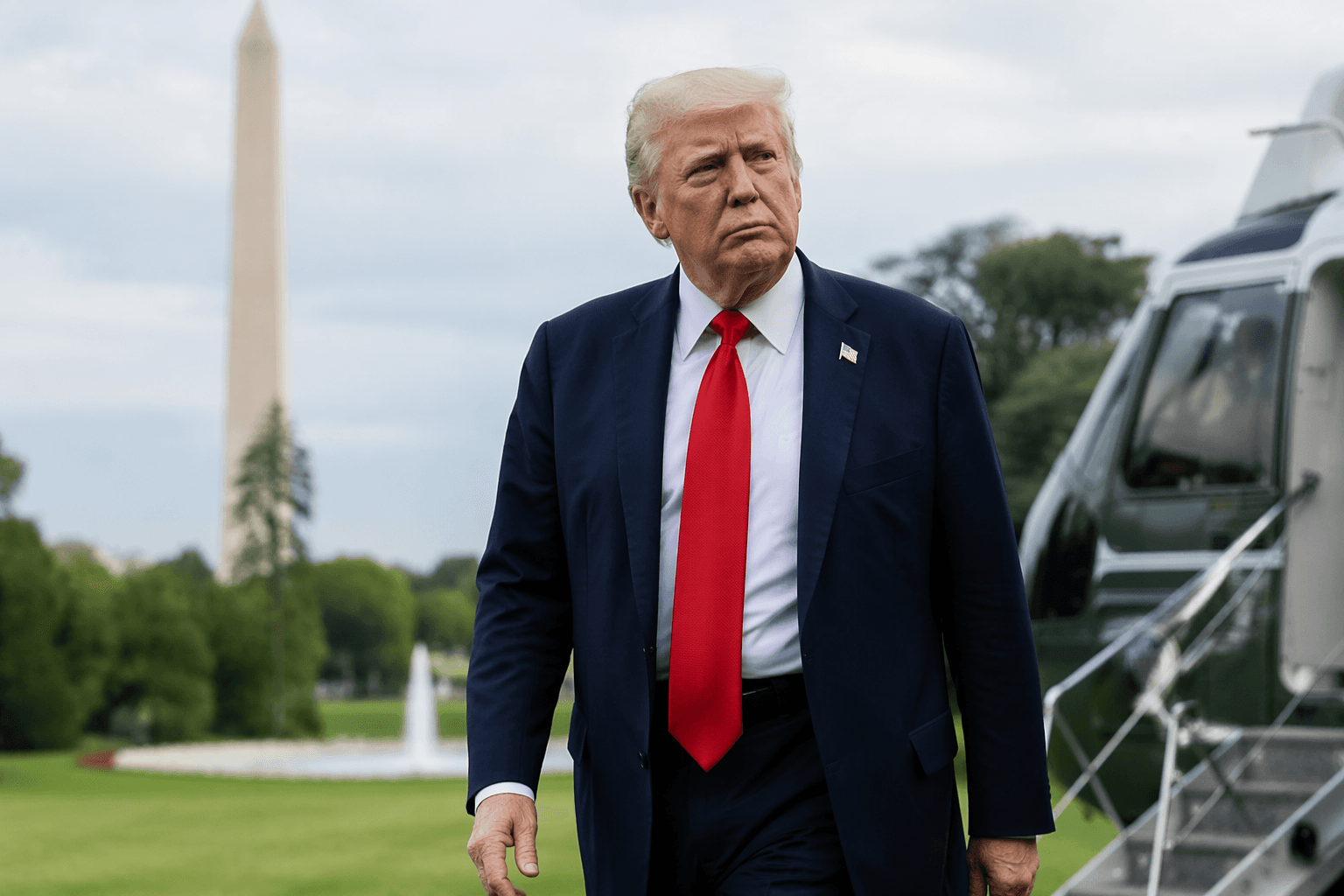
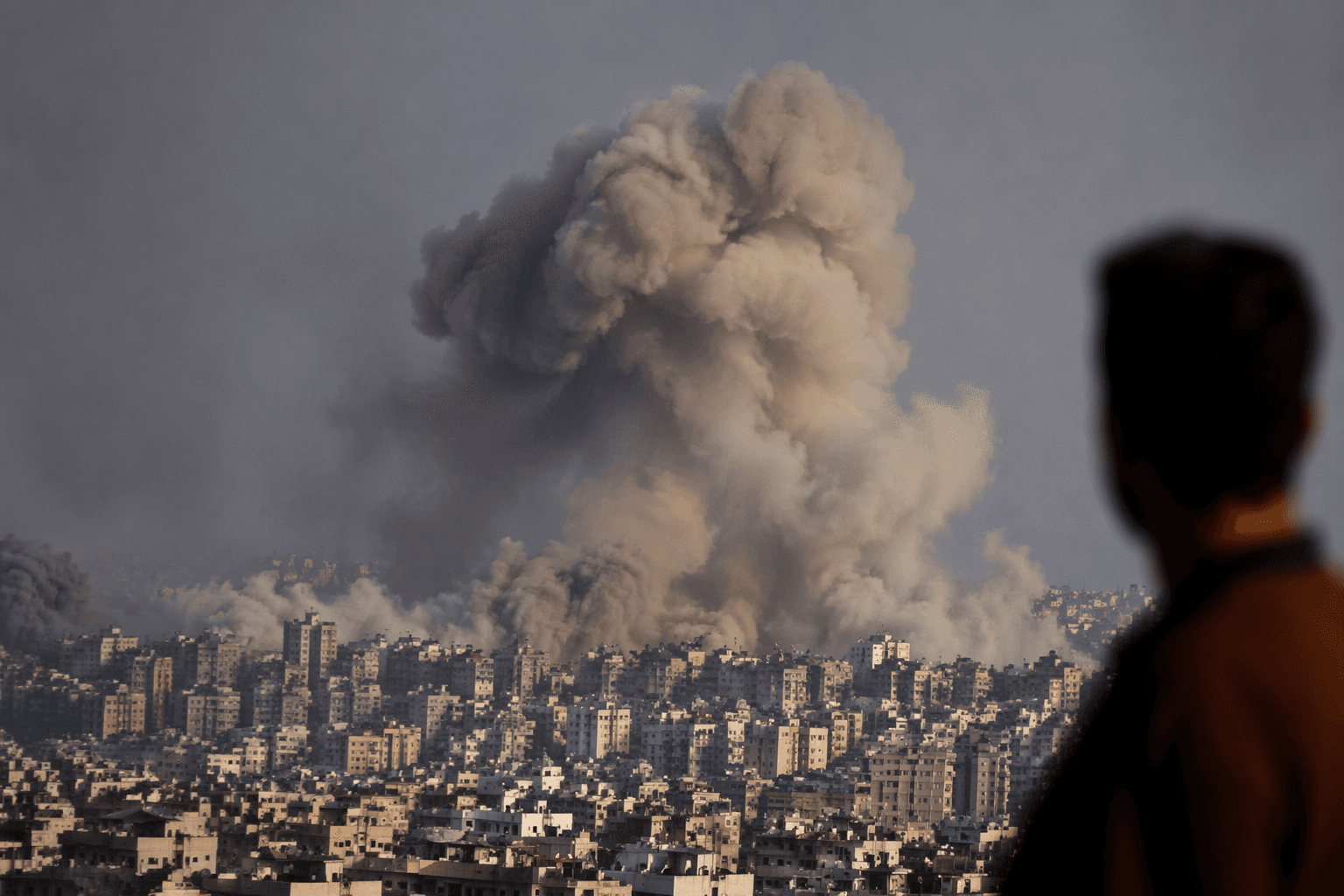
Trump’s call for restraint collided with a fresh Israeli strike on Beirut’s southern suburbs, where a densely populated Dahiyeh apartment building was hit after Hezbollah fired projectiles or drones toward northern Israel. He said the strike “should not have happened” and warned that the United States and Iran were “so close” to a deal, but the battlefield and the negotiating table were moving on different clocks.
The latest attack deepened a confrontation that has repeatedly threatened diplomacy around Iran. Israel said it struck Hezbollah infrastructure, including a command center, after fire from Lebanon. Lebanese authorities said the blast hit a civilian apartment building in an area closely associated with Hezbollah, and casualty reports rose through the day, with early accounts saying at least two people were killed and later updates putting the toll at three dead and several wounded.
The timing was especially awkward for Washington because Qatari negotiators were reported to have flown to Tehran on Sunday morning to help finish the agreement. Trump said “all sides should stand down,” while Iranian officials signaled that a signing was not imminent and that no final decision had been made. That uncertainty undercut the White House’s claim that a broader understanding was within reach, even as the administration tried to project momentum.
Iran has long linked any wider deal with Washington to a halt in the Lebanon fighting, making the Beirut strike more than a local exchange of fire. The clash also revived fears of a wider escalation, with Hezbollah continuing its exchange of fire with Israel and Iranian officials warning that the attack could jeopardize the negotiations. For Washington, the question was not whether it wanted de-escalation, but what it could actually enforce.
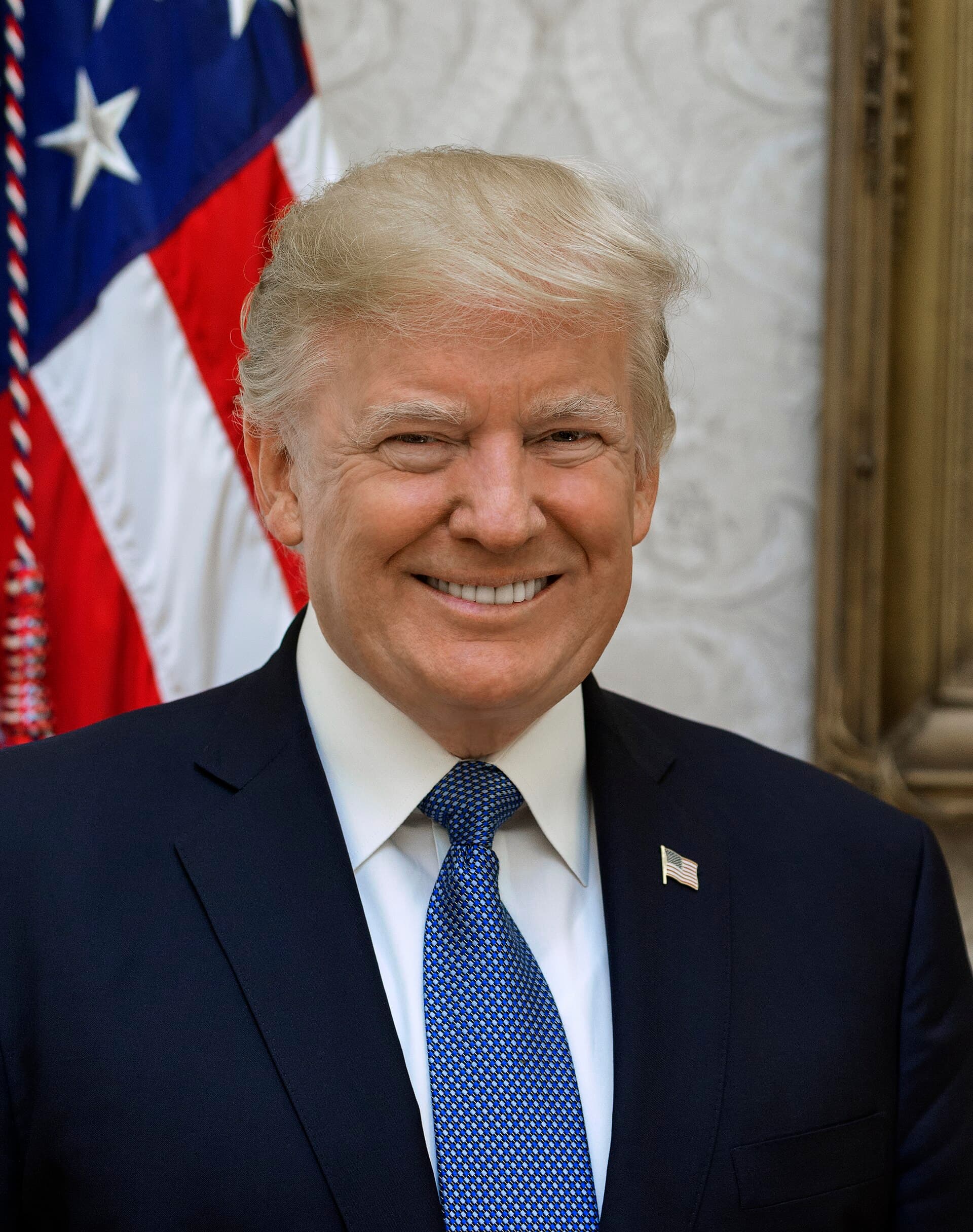
U.S. officials, including Defense Secretary Pete Hegseth, said the administration was still on track for a memorandum of understanding with Iran and that any release of funds would be performance-based. The United States also said reopening the Strait of Hormuz would begin immediately if the deal advanced, a reminder that the leverage on offer remained conditional, not automatic. Against that backdrop, Trump’s push for calm exposed the gap between presidential rhetoric and the limited tools available to shape events in Beirut, Tehran and Jerusalem at the same time.
This article was produced by Prism’s automated news system from verified source data, official records, and press releases, then run through automated quality and moderation checks before publishing. The system is built and supervised by the people who set the standards it runs under. Read our full AI policy.
Know something we missed? Have a correction or additional information?
Submit a Tip