Israel strikes Hezbollah targets in Beirut after projectile attack
A strike on Beirut’s Dahiyeh killed two after Hezbollah fired projectiles into northern Israel, deepening fears of a wider war.
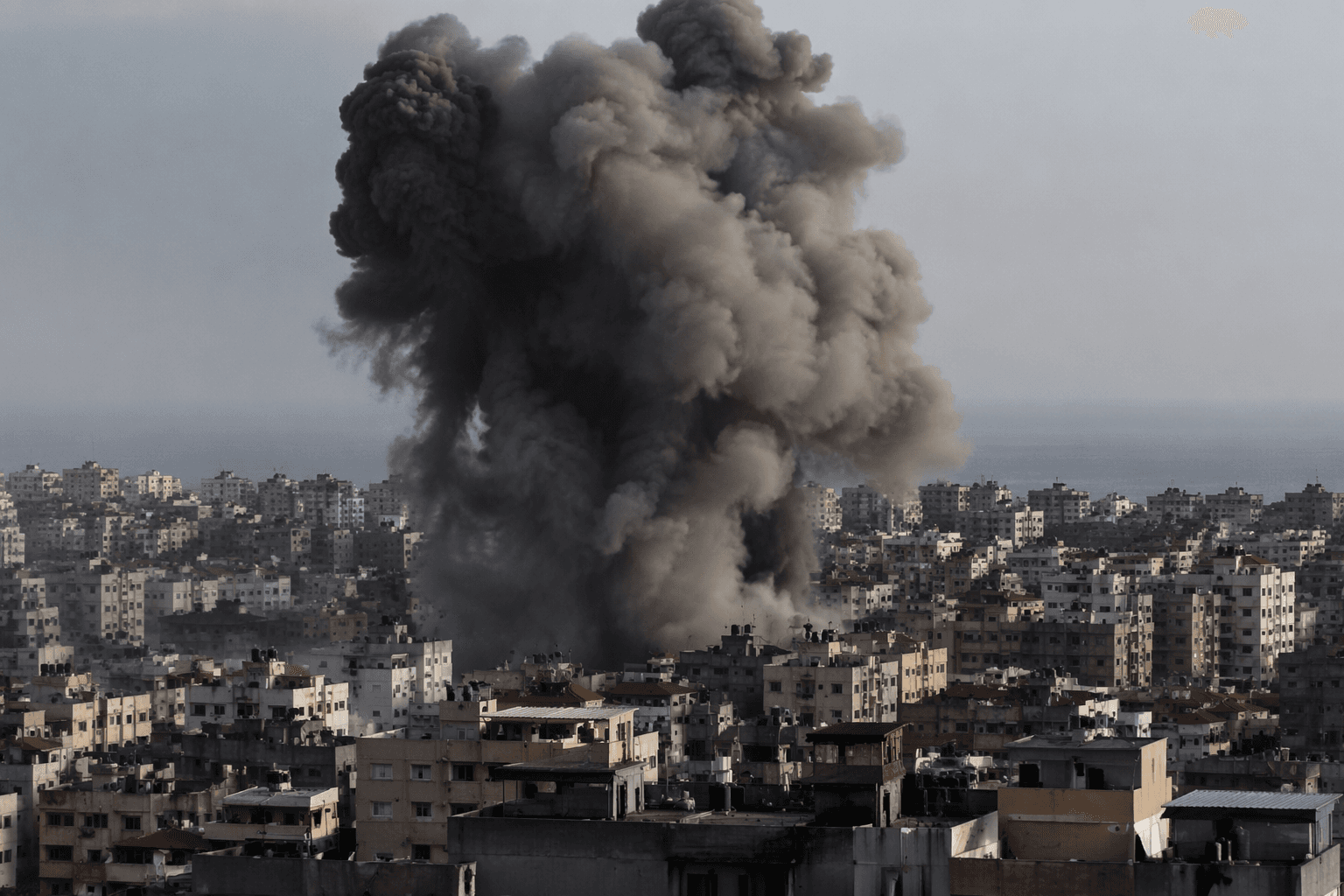
Israel widened its fight with Hezbollah on Sunday by striking targets in Beirut’s southern suburbs after the Iran-aligned group fired projectiles into northern Israel, a move that underscored how quickly the conflict can spill beyond the frontier. The attack landed in Dahiyeh, the densely populated district long associated with Hezbollah, and immediately raised the civilian and political stakes in a confrontation already threatening regional stability.
The Lebanese state news agency said two people were killed. Lebanese security sources said the operation appeared to involve two missiles and was aimed at an apartment in Dahiyeh. Israeli officials described the strike as precise and said it hit a Hezbollah command center, framing the assault as a direct response to rocket fire from Lebanese territory.
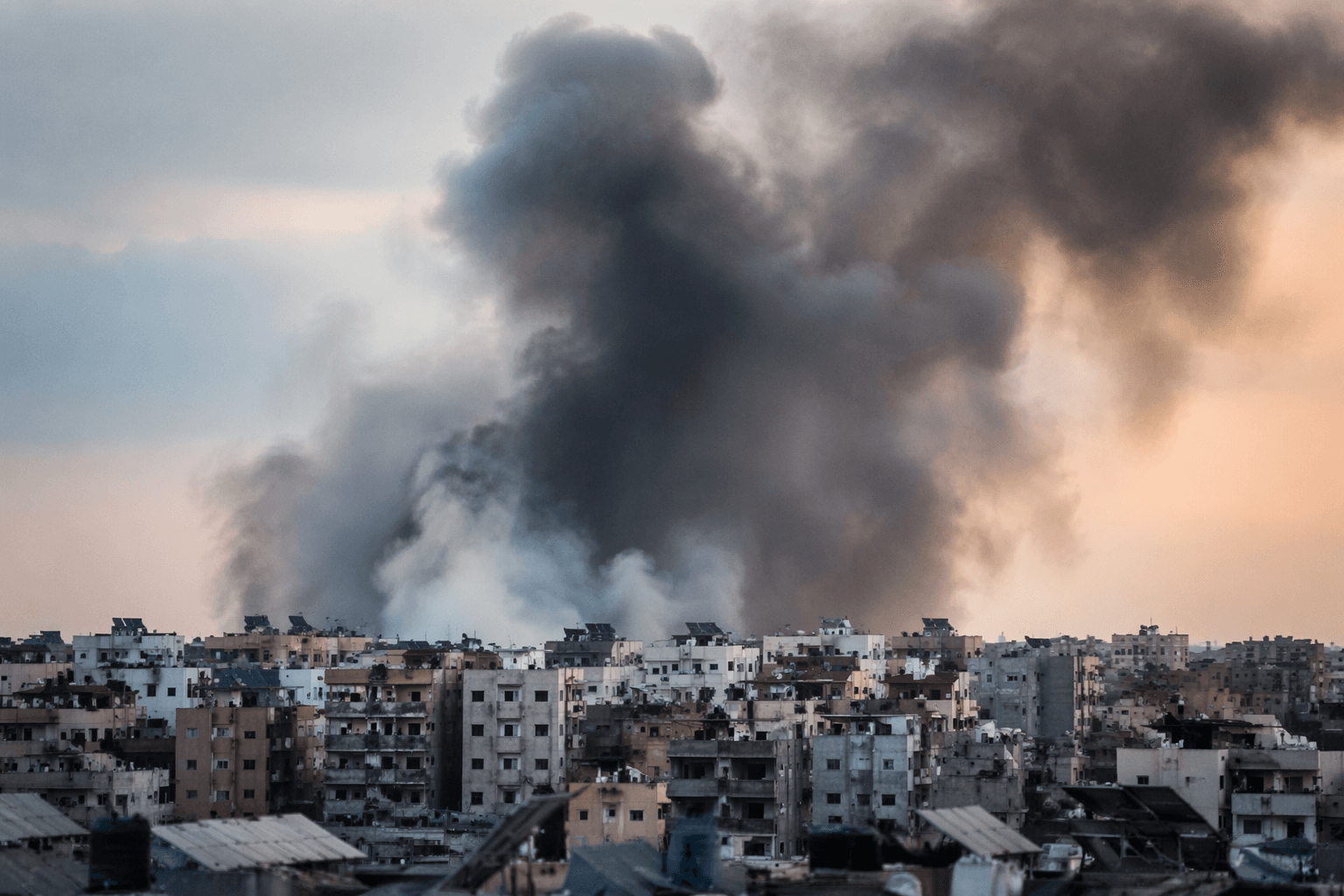
The Israeli military said Hezbollah had launched three projectiles toward communities in northern Israel and called it a blatant ceasefire violation. In a joint statement, Prime Minister Benjamin Netanyahu and Defense Minister Israel Katz said the Israel Defense Forces had attacked terrorist targets in Dahiyeh in response to Hezbollah’s firing into Israeli territory. Hezbollah did not immediately comment on the Israeli account, but the group said it had launched missiles and drones toward Israeli troops in southern Lebanon.
What made the strike in Beirut more dangerous than a routine border exchange was its location. Hitting Dahiyeh brought the conflict into the heart of a crowded urban area and showed that Israel was willing to answer attacks on its north with force deep inside Lebanon’s capital. The move also echoed a previous attack on Dahiyeh that had helped trigger an exchange of fire that nearly derailed a U.S.-Iran diplomatic track.
That diplomatic backdrop gave the latest strike wider significance. Washington and Tehran were said to be close to a broader deal aimed at ending the wider war and stabilizing energy markets, and the fighting in Lebanon was one of the pressures that could complicate those efforts. Even as the immediate casualty toll remained limited compared with some other regional attacks, the symbolism was stark: a missile strike in Beirut signaled that the Israel-Hezbollah confrontation was still capable of escalating into a broader conflict with consequences far beyond Lebanon’s southern border.
This article was produced by Prism’s automated news system from verified source data, official records, and press releases, then run through automated quality and moderation checks before publishing. The system is built and supervised by the people who set the standards it runs under. Read our full AI policy.
Know something we missed? Have a correction or additional information?
Submit a Tip