Israel strikes southern Lebanon as ceasefire effort collapses
Israel ordered nine southern Lebanon villages to evacuate before fresh strikes hit, as Hezbollah rejected a ceasefire framework and civilian displacement deepened.
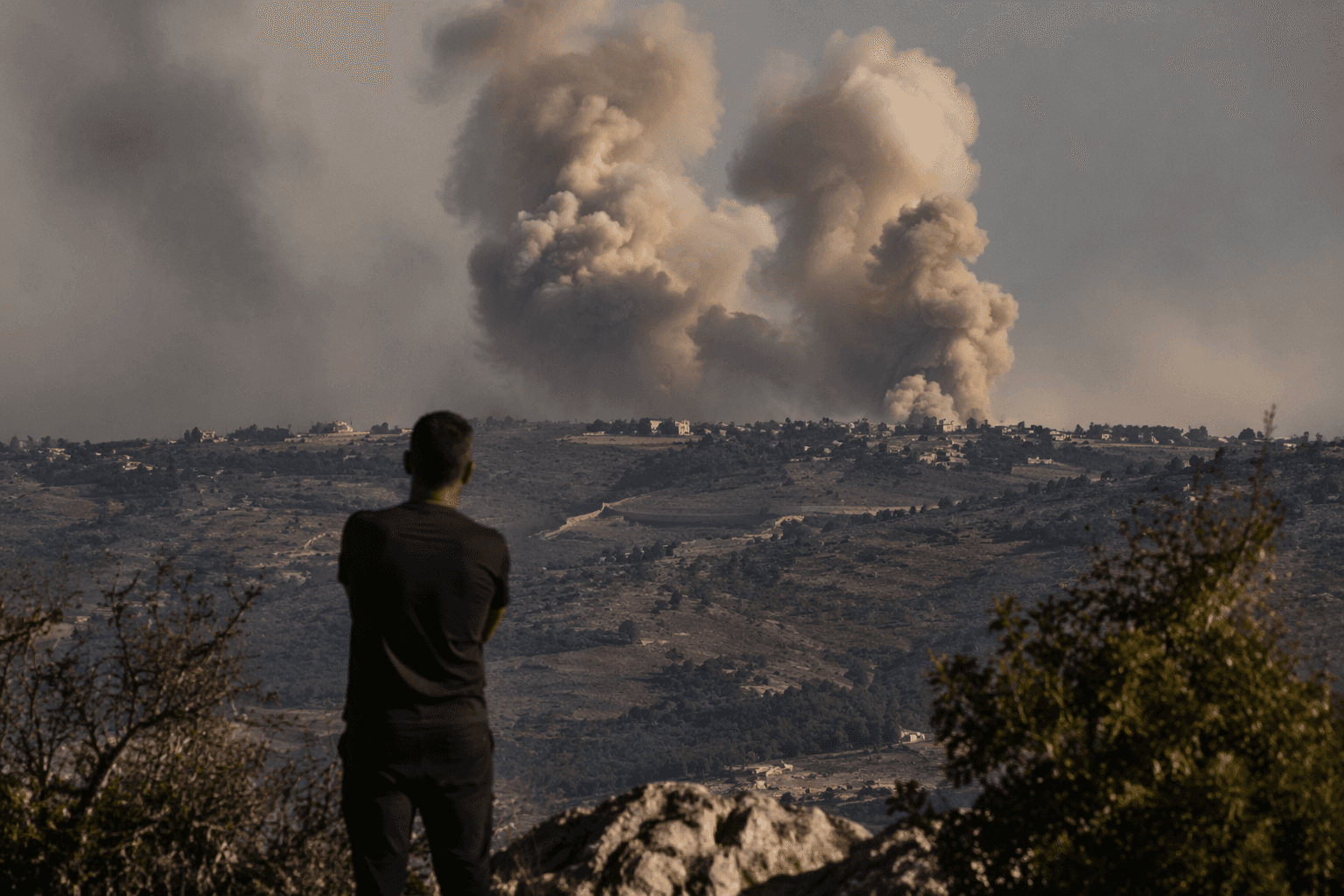
Evacuation warnings for nine villages in southern Lebanon landed before the latest strikes, a sign that the war was already reshaping civilian life even as diplomats tried to contain it. One of the warned villages had been relatively spared and was sheltering thousands of displaced people, a reminder that military signaling now reaches far beyond the front line.
Israel’s air force struck different parts of southern Lebanon on Friday after issuing the warnings, and Lebanese state reporting said six people were killed in the June 4-5 attacks. Other June reporting put the death toll at nine across six locations. The attacks followed a brief diplomatic opening in Washington, where Israel and Lebanon reportedly agreed on June 3 to begin implementing a ceasefire framework before Hezbollah rejected the deal on June 4.
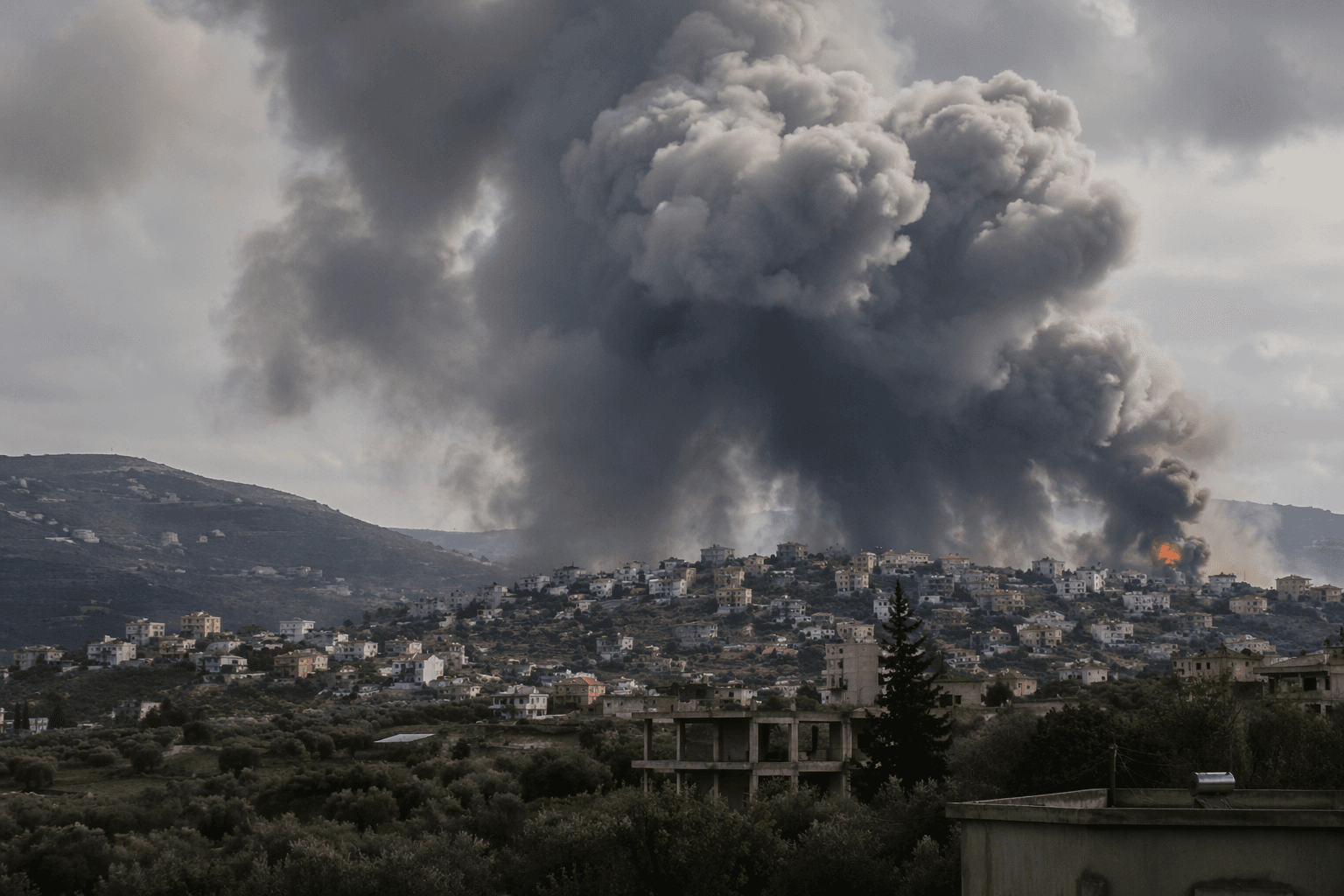
That rejection exposed how fragile the talks were from the start. The reported framework required Hezbollah to stop attacks and remove fighters from areas south of the Litani River, while Israel said it would not withdraw from southern Lebanon after Hezbollah refused the terms. President Joseph Aoun called the Washington-announced arrangement the “last chance” for a comprehensive truce, underscoring how little room remained before the conflict hardened again.
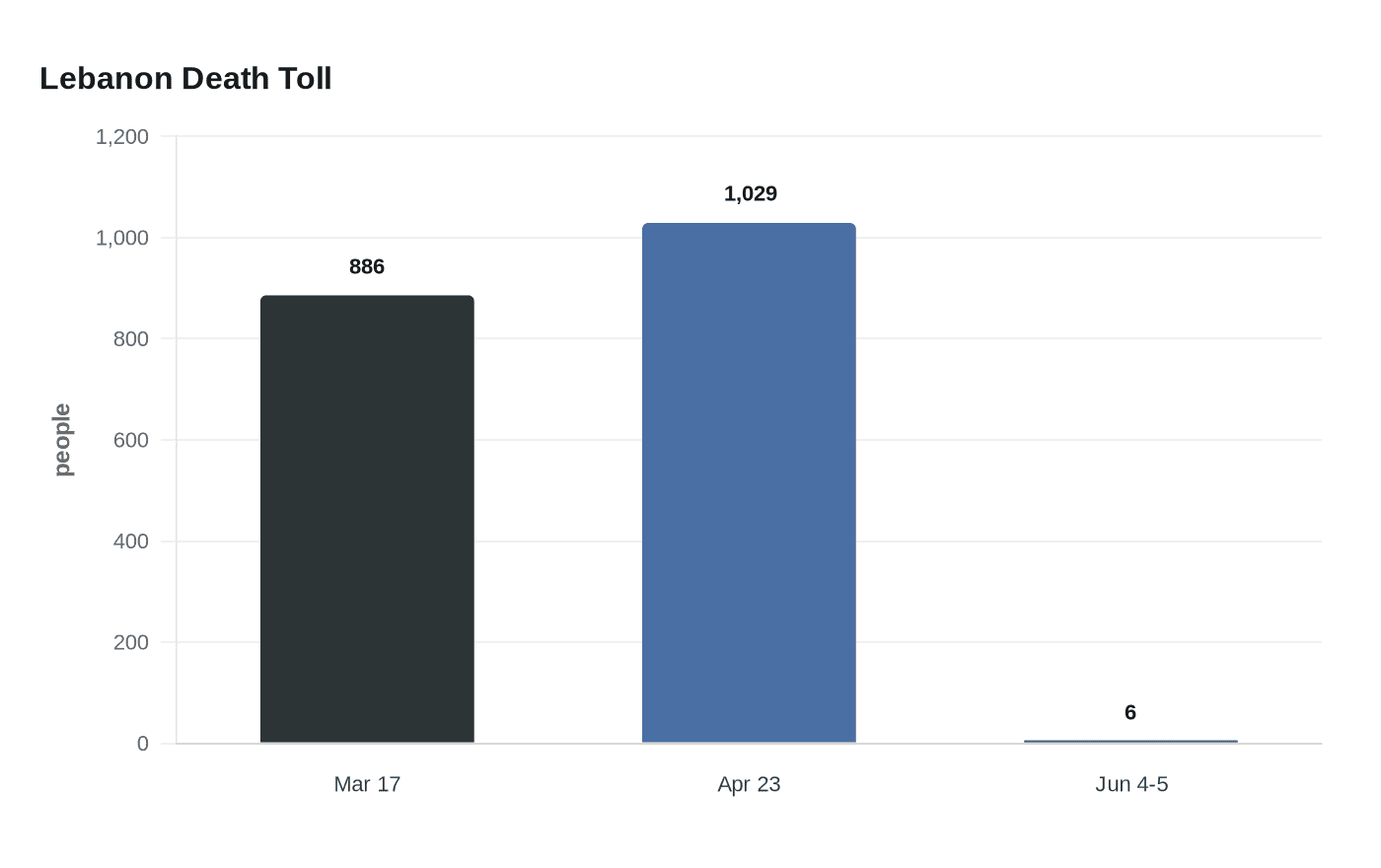
The stakes are far beyond the latest villages named in evacuation orders. United Nations human-rights reporting said at least 886 people had been killed in Lebanon by March 17, including at least 111 children, and by April 23 the toll had climbed to at least 1,029 dead, 2,786 injured and more than one million displaced. The Office of the High Commissioner for Human Rights said 55 localities in southern Lebanon were still under displacement orders that month.
The wider destruction has already taken on wartime proportions. EL PAÍS reported that Israel’s offensive in southern Lebanon had left 2,900 dead, 36,000 homes destroyed and 1.4 million displaced over roughly three months. The human cost has included repeated warnings, damaged homes, roads, factories and health facilities, and a steady push of civilians toward Beirut and other safer areas, with southern communities left to absorb the strain.
The conflict remains tied to the post-November 26, 2024 cessation-of-hostilities arrangement and United Nations Security Council Resolution 1701, both of which call for calm along the Blue Line and for Lebanese state authority to be restored in the south. With Hezbollah rejecting the latest terms, Israel keeping up strikes, and the Lebanese Armed Forces still short of the 6,000 additional troops the Security Council welcomed for deployment in South Lebanon, the Lebanon front looked less like a contained theater than one miscalculation away from a broader regional war.
This article was produced by Prism’s automated news system from verified source data, official records, and press releases, then run through automated quality and moderation checks before publishing. The system is built and supervised by the people who set the standards it runs under. Read our full AI policy.
Know something we missed? Have a correction or additional information?
Submit a Tip