Israel takes delivery of first production Iron Beam, begins laser era
Israel’s Defense Ministry and Rafael handed over the first production Iron Beam laser system to the Israel Defense Forces, a step the ministry called the start of a new operational capability in short range air defense. Officials said the system will add a cheaper and faster layer to the country’s multi tiered air defense array, and that serial production is now under way.
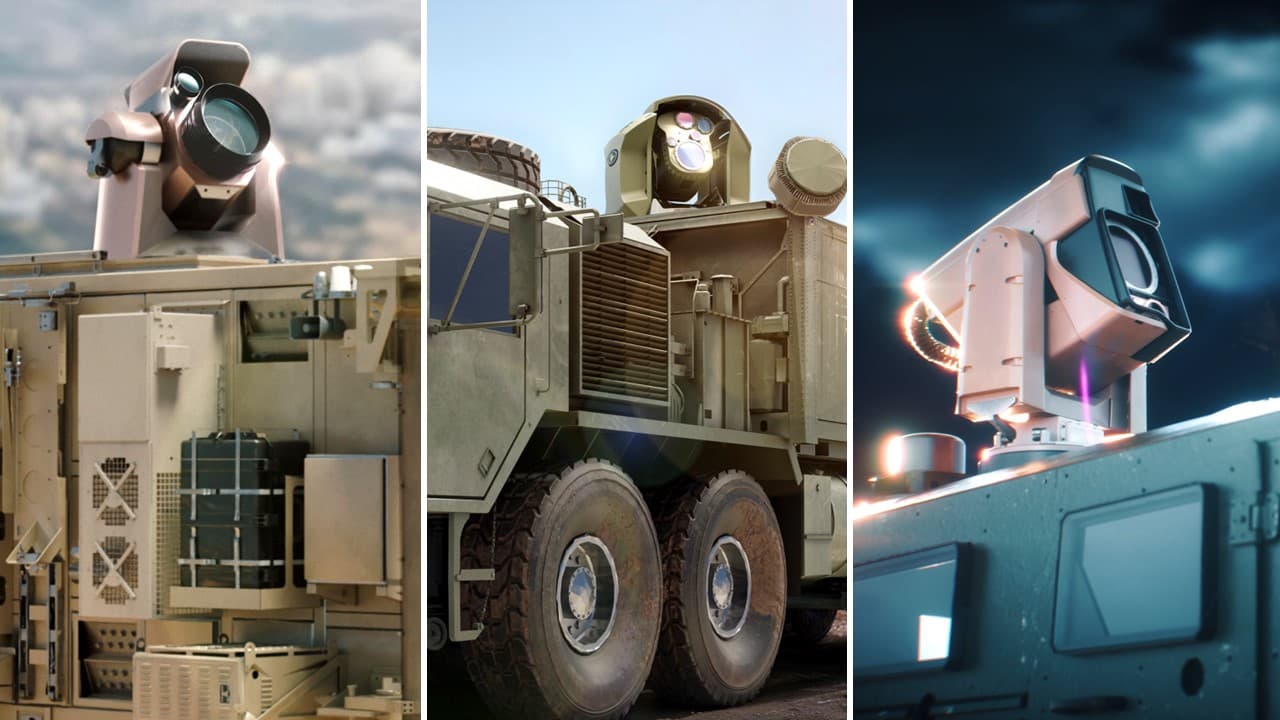
On December 28, 2025, the Israeli Ministry of Defense and Rafael Advanced Defense Systems formally handed over the first production unit of Or Eitan, known in English as Iron Beam, to the Israel Defense Forces. The ceremony at Rafael’s facility was attended by Defense Minister Israel Katz, Director General Amir Baram, Rafael Chairman Yuval Steinitz, Rafael CEO Yoav Turgeman and senior military and industry officials, and the ministry issued a public announcement of the delivery.
The system, developed by Rafael in cooperation with the Defense Ministry research directorate, is designed to use a concentrated high power laser to intercept short range threats such as rockets, mortar shells and unmanned aerial vehicles. The ministry framed the handover as a milestone in Israel’s layered air defense architecture, with the system intended to operate as a complementary layer alongside existing interceptor networks including the Iron Dome.
Rafael described the delivery as the beginning of a “defensive laser era,” and ministry officials said the system had reached operational maturity. Defense Minister Katz called the milestone a “game changer,” saying it “changes the rules of the game” and sends a clear message to Israel’s adversaries, naming Tehran, Sanaa and Beirut in his remarks. Director General Baram said the handover “marks the transition from development to serial production,” and described the delivered unit as the first of many currently in production. Baram added that Israel is “already deep into the development of the next generations of defense systems.”
Officials and company executives highlighted what they described as two principal operational advantages of a laser based interceptor over conventional missile interceptors. First, engagement costs per shot are substantially lower because the system relies on stored electrical energy rather than an expendable interceptor. Second, a laser can engage threats at the speed of light, offering faster reaction times for short range attacks. Rafael and ministry briefings also cited real time tests conducted during fighting with Hezbollah in Lebanon this year, saying demonstrations performed under combat conditions validated the system’s readiness.

The delivered unit was turned over to the Air Force air defense command, which will integrate the capability into existing command and control structures and operational doctrine. Officials declined to disclose specific technical parameters, engagement ranges, numbers of units to be produced or deployment locations, saying those details are classified or remain subject to operational decisions.
Analysts say the combination of lower operational cost and rapid engagement could make laser interceptors attractive for defending against massed short range salvos and inexpensive unmanned systems that would be costly to defeat with interceptor missiles. Skeptics caution that practical effectiveness depends on atmospheric conditions, power generation and integration with other sensors and counters, areas the ministry and Rafael did not quantify in their announcement.
By delivering what officials called the first operational production unit, Israel aims to move from experimental demonstrations to fielded, serial production capability. The ministry framed the handover as both a technological milestone and a strategic signal about the evolution of modern air defense.
This article was produced by Prism’s automated news system from verified source data, official records, and press releases, then run through automated quality and moderation checks before publishing. The system is built and supervised by the people who set the standards it runs under. Read our full AI policy.
Did this article answer your question?


