Israel warns Lebanon of hard strikes, threatens airport if Hezbollah intervenes
Israel warned Lebanon it would strike civilian infrastructure, including Beirut airport, if Hezbollah intervenes in any U.S.-Iran war; U.S. ordered nonessential staff out of Beirut.
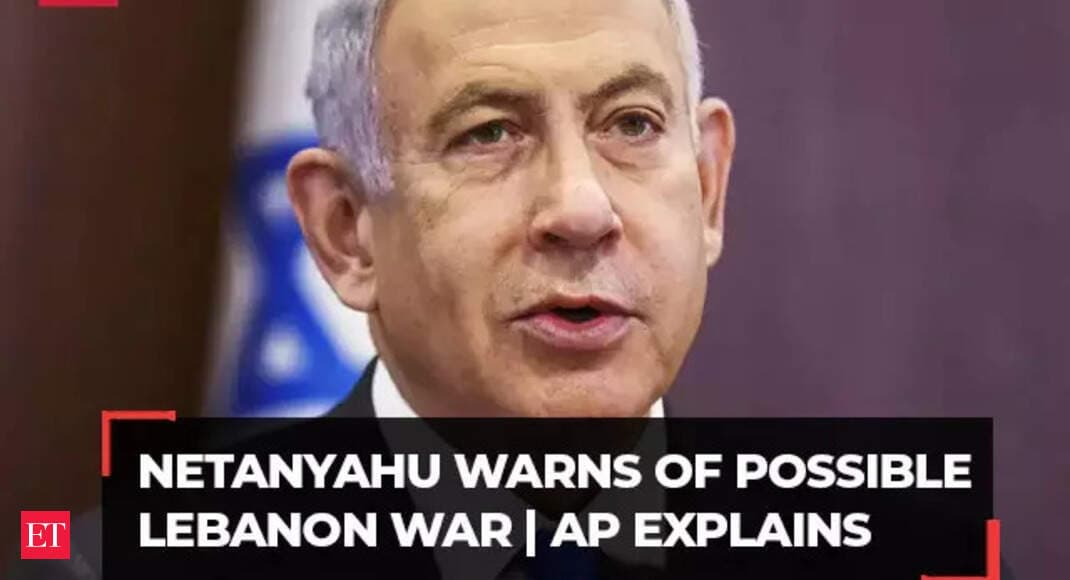
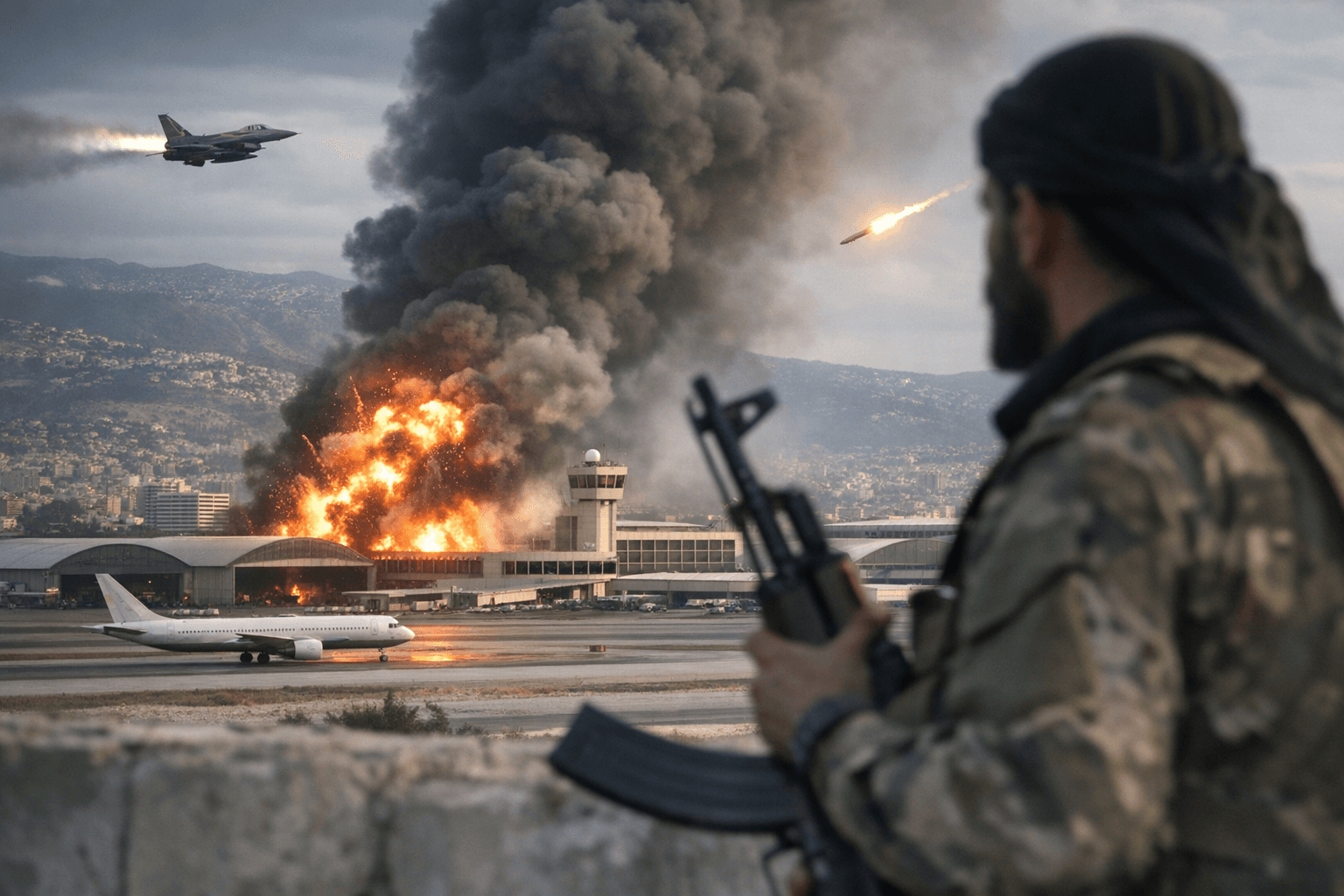
Two senior Lebanese officials said Israel sent an indirect warning on Feb. 24 that it would "strike civilian infrastructure if Hezbollah intervenes," including targeting Beirut’s airport, should the Iran-backed militia join any conflict between the United States and Iran. The message, delivered to Lebanese authorities by unspecified channels, raises the prospect of a dramatically expanded front in a region already on edge.
Lebanese Foreign Minister Youssef Rajji, speaking in Geneva, said his government has urged Hezbollah not to get involved and that Lebanese officials had been warned Israel "would strike harder against civilian infrastructure across Lebanon than in the previous round of fighting." Rajji linked the warning to rising U.S.-Iran tensions and an imminent third round of nuclear talks scheduled in Geneva, according to Oman's foreign minister.
The United States moved quickly to limit exposure: the State Department ordered nonessential diplomats and eligible family members to leave the U.S. embassy in Beirut, a senior U.S. official said. Lebanese military authorities also took precautions. The Lebanese Armed Forces issued orders to reinforce posts and respond to sources of fire, and escalated the matter for review with the United Nations Interim Force in Lebanon, officials said.
Hezbollah’s deputy leader, Naim Qassem, told supporters in a televised address last month that the group was "not neutral" in the standoff between Washington and Tehran and that it was "targeted by the potential aggression." He said, "We are determined to defend ourselves. We will choose in due course how to act, whether to intervene or not." Qassem’s remarks underscore that Hezbollah has signaled a readiness to weigh intervention even as Lebanon’s government publicly presses restraint.
The warning comes against a recent history of high-intensity clashes between Israel and Hezbollah. The 2024 Israel-Hezbollah war inflicted severe damage on the militant group and Lebanese battlefields, leaving it substantially weakened before a U.S.-brokered ceasefire in November 2024. Since that ceasefire, Israel has carried out near-daily strikes in Lebanon, which it says are intended to prevent Hezbollah from reconstituting its arsenal. Lebanese officials caution that a new confrontation could bring strikes farther into civilian life than during the last conflict; in 2006 Israel struck Beirut’s airport during a monthlong war, while the airport remained operational throughout the 2024 fighting.
Neither the office of Prime Minister Benjamin Netanyahu nor the Lebanese presidency immediately responded to requests for comment on the reported warning. Israeli military spokespeople had not issued a public statement, and Hezbollah has not formally announced a shift in policy since Qassem’s remarks.
Economically and politically, the threat of strikes on civilian infrastructure would be acute for Lebanon. Disruption to Beirut’s airport and ports would hamper trade, humanitarian deliveries and the fragile recovery from consecutive political and economic crises. Regionally, markets monitor such escalations for potential effects on shipping, insurance premiums and oil-price volatility, factors that can transmit through global trade and finance even without a full regional war.
Diplomats say the window for de-escalation is narrow: negotiators in Geneva are attempting to limit confrontation between Washington and Tehran, and Lebanese officials are racing to keep Hezbollah from becoming a proxy ignition point. With evacuation orders and military reinforcements already under way, the immediate question is whether public appeals for restraint can hold when strategic calculations on all sides are increasingly fraught.
This article was produced by Prism’s automated news system from verified source data, official records, and press releases, then run through automated quality and moderation checks before publishing. The system is built and supervised by the people who set the standards it runs under. Read our full AI policy.
Did this article answer your question?