Israel weighs war over a weak Iran deal, officials say
Jerusalem is bracing for a war it can influence more than a deal it distrusts, as a tentative U.S.-Iran framework leaves Israel outside the room.
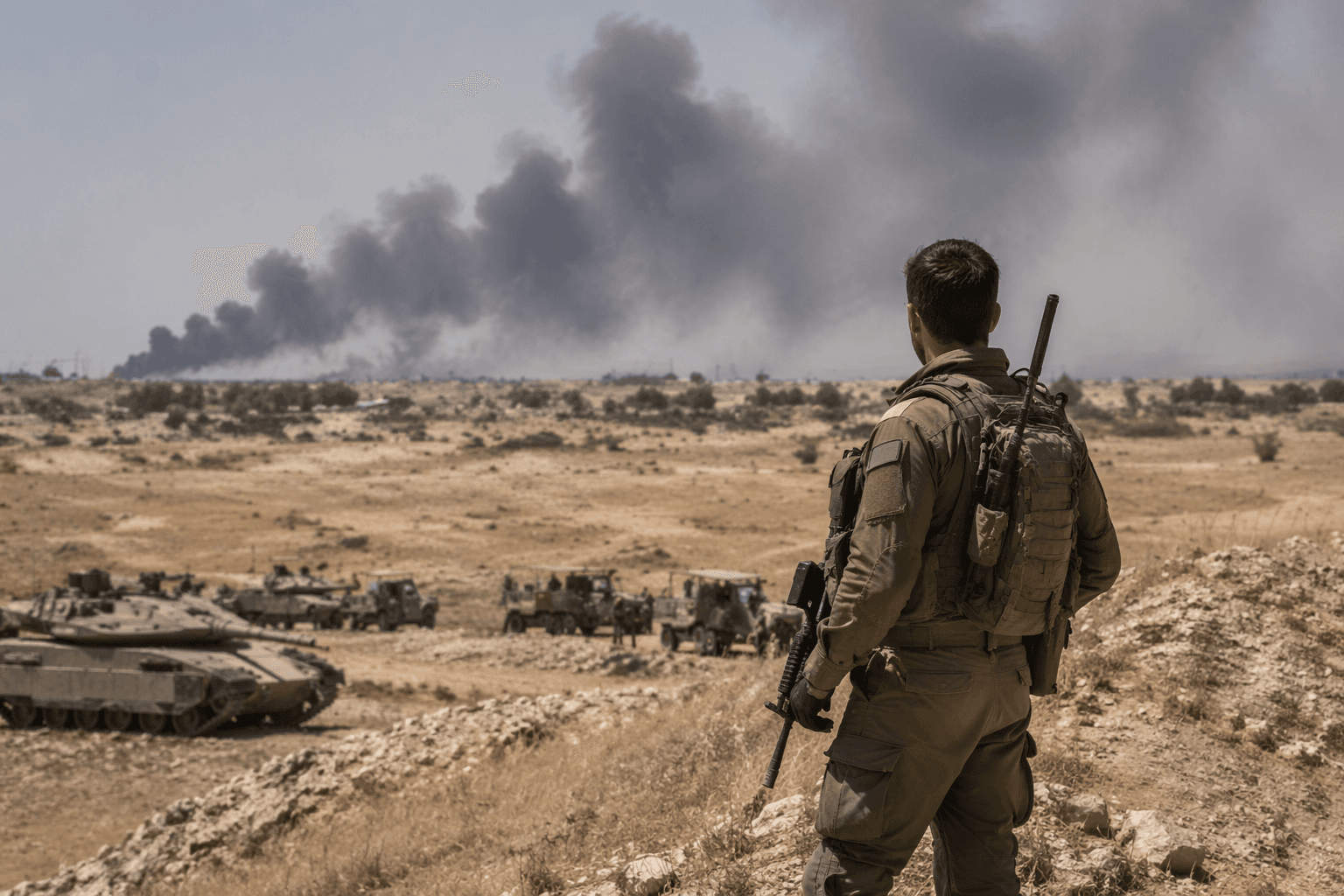
Israeli officials are privately weighing whether a return to full-scale war with Iran would be safer than an agreement that leaves Tehran’s nuclear program unresolved and strips Israel of military leverage. In Jerusalem, the prevailing mood is one of suspended judgment: Washington and Tehran are still shaping terms, while Israel waits for a result it does not control.
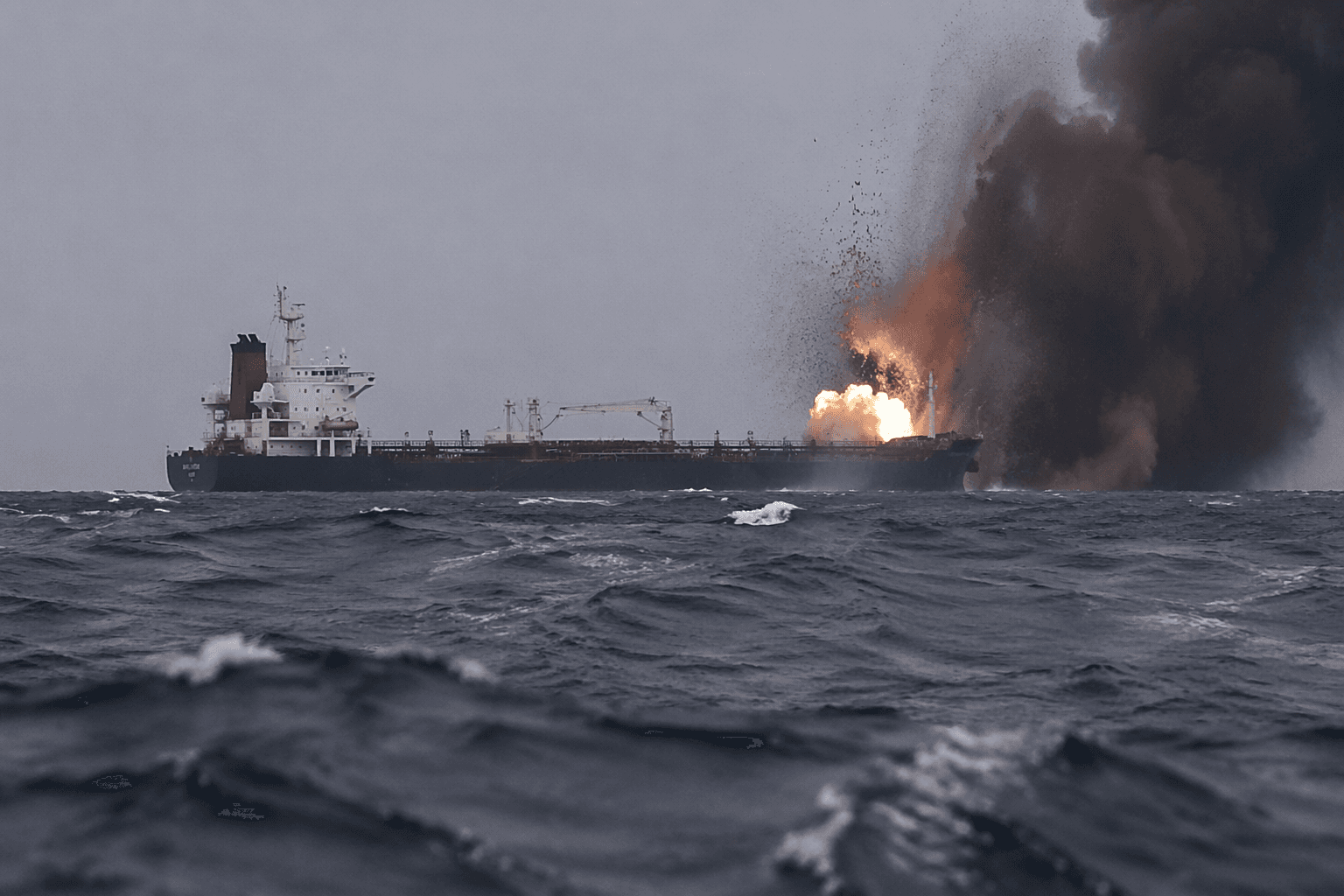
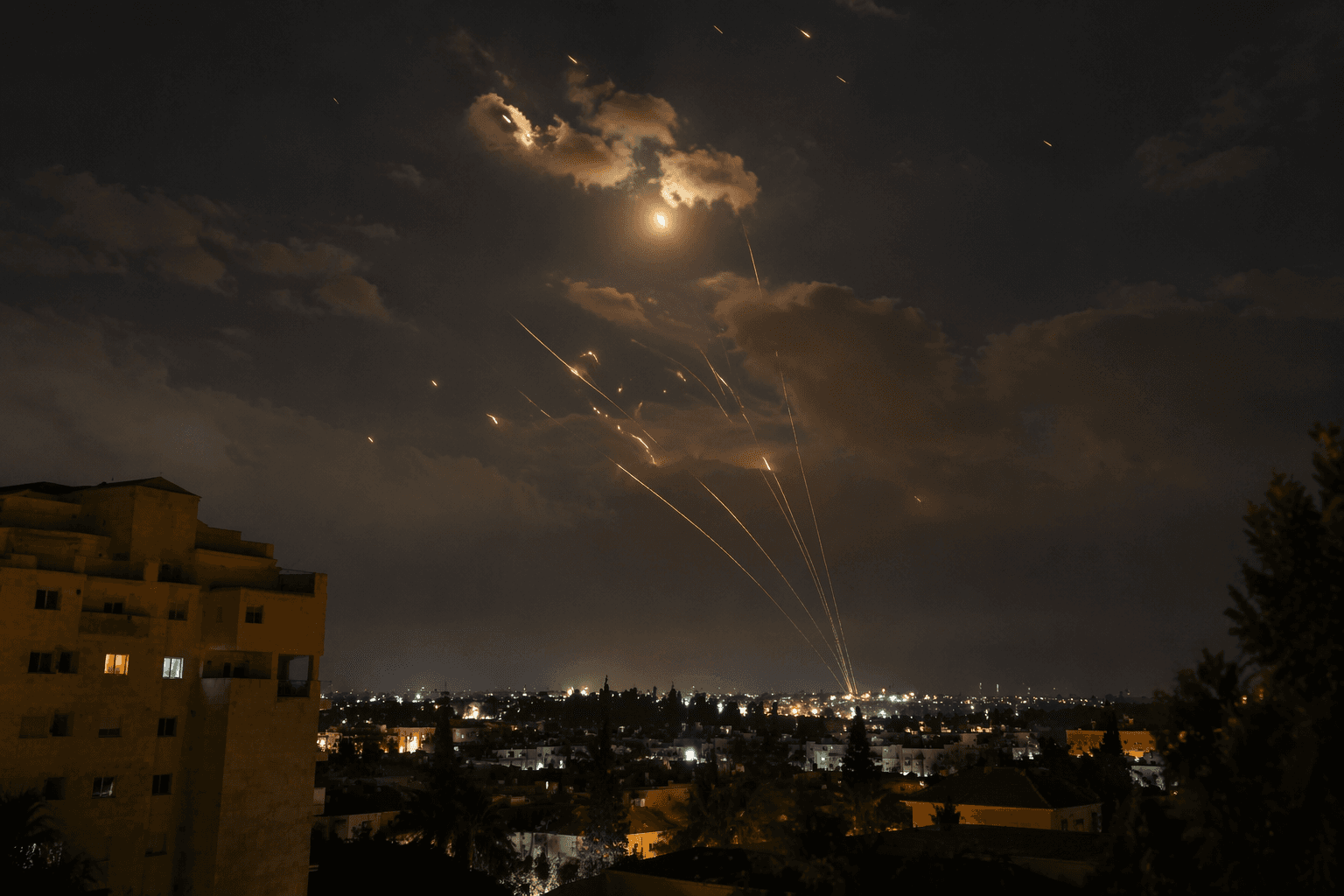
That unease has grown out of the fighting that began when U.S. and Israeli strikes on Iran started on February 28, 2026. What followed was no limited exchange but a widening regional conflict, with Iranian retaliation, attacks on shipping and disruption in the Strait of Hormuz. The Congressional Research Service said maritime traffic through the strait has been largely halted, a choke point for global oil and natural gas markets. The conflict also reignited major operations in Lebanon, tied in part to Hezbollah attacks.
The diplomatic track has done little to settle Israeli concerns. The Trump administration and Iran signed a memorandum of understanding in Versailles on June 17, 2026, but the framework left the core nuclear question to a 60-day negotiation process and tied regional issues together, including Lebanon and the Strait of Hormuz. Israeli officials have said privately that such a deal could end Israel’s military leverage over Iran, even as it freezes rather than resolves the wider confrontation.
Prime Minister Benjamin Netanyahu has publicly tried to narrow the gap. He said Israel was not a party to the deal and had not been shown its terms. He also reiterated that Israel would keep its right to defend itself and that, with or without an agreement, Iran would never get nuclear weapons. In the days after the framework was announced, Israeli ministers warned that the emerging deal endangered Israel’s security interests, and officials complained that the country could be bound by terms it never signed.
The deeper concern in Jerusalem is not only the content of any agreement, but the possibility that Washington may decide that pressure has gone far enough. Israeli officials fear that past rounds of coercion have not eliminated Iran’s nuclear, missile and proxy threats, while Iran’s attacks on Arab Gulf neighbors have shown how quickly the conflict can spread. For Israel, the strategic choice is now between an uncertain deal that could lock in Iran’s gains and a war that keeps the option of force alive.
This article was produced by Prism’s automated news system from verified source data, official records, and press releases, then run through automated quality and moderation checks before publishing. The system is built and supervised by the people who set the standards it runs under. Read our full AI policy.
Did this article answer your question?