Israeli Air Strikes in Lebanon Raise Fears of Wider Escalation
On the anniversary of the Israel Hezbollah ceasefire, Israeli aircraft struck targets north of the Litani River in southern Lebanon, marking a sharp uptick in cross border activity and heightening regional tensions. The strikes, described as aimed at Hezbollah members and infrastructure, carry potential economic and security implications for markets, energy supplies, and Lebanon's fragile recovery.
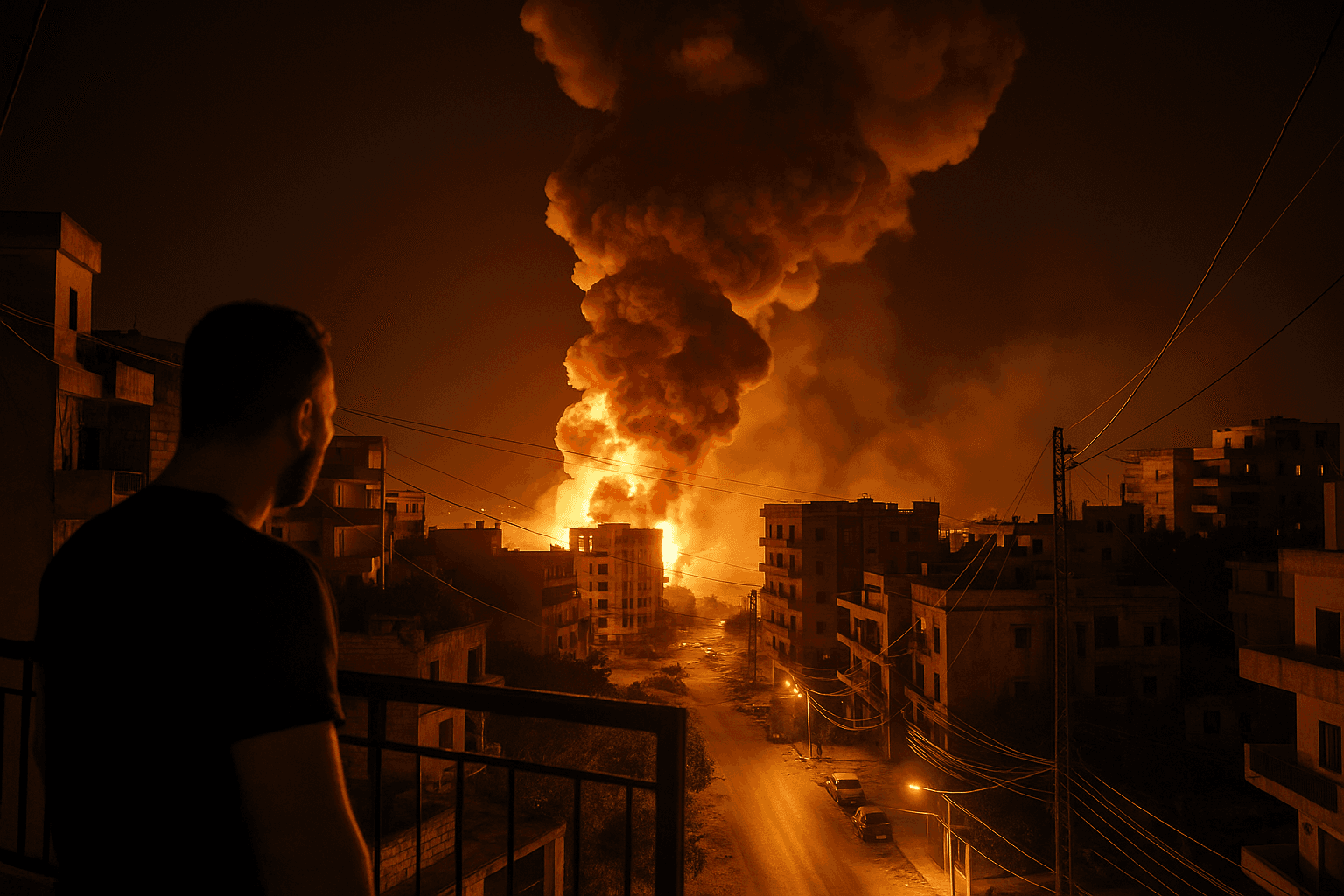
Israeli aircraft carried out a series of strikes in southern Lebanon on November 27, striking locations north of the Litani River and signaling a renewed flare up on the anniversary of the Israel Hezbollah ceasefire. Lebanon's state run news agency and local media reported the strikes as directed at Hezbollah members and infrastructure. Israeli officials said the operations were intended to prevent rearmament and deter threats from across the northern border.
The exchange represents one of the more visible episodes of cross border activity since the ceasefire took hold, drawing concern from neighbors and international observers about the risk of escalation. While the strikes did not immediately trigger a broader conflict, the timing on the ceasefire anniversary underscored lingering volatility along the Israel Lebanon frontier and the fragile balance maintained by deterrence.
From a security policy perspective, Israeli authorities framed the operation as a preemptive effort to curb the capabilities of Hezbollah and its allies. The move follows a pattern of periodic strikes calibrated to degrade perceived military threats without provoking full scale retaliation. That balancing act shapes Israeli operational choices but also leaves room for miscalculation, particularly when incidents cluster around symbolic dates or follow other regional tensions.
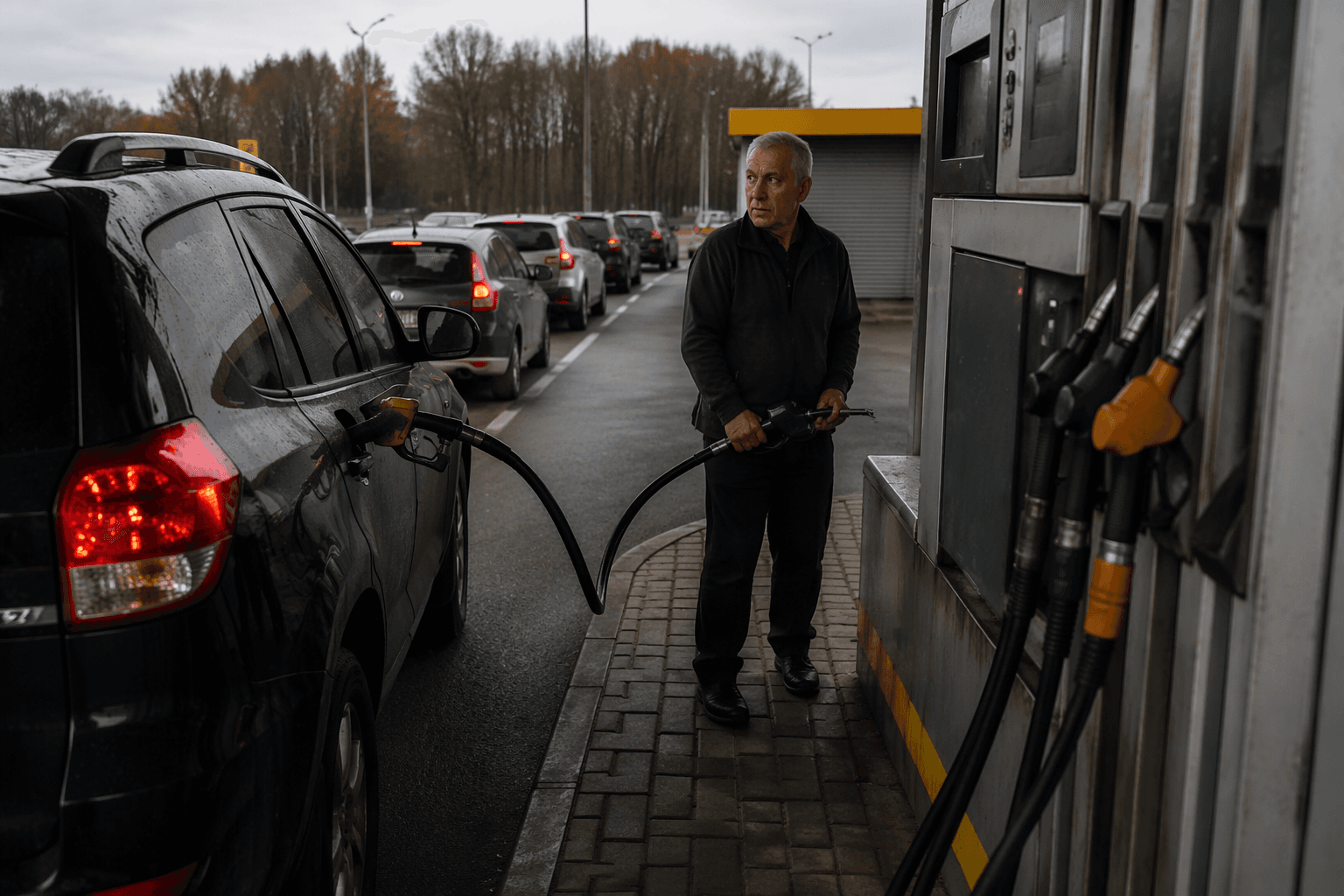
Economically, renewed hostilities carry immediate and measurable risks for markets and households. Middle East tensions typically raise risk premia across financial assets, spur flows into safe haven investments and can jolt energy markets. Even localized strikes have in the past produced short lived upticks in oil price volatility, tighter risk spreads for regional sovereign debt and increased volatility in local equity markets. Lebanon’s economy remains vulnerable after years of deep strain, and any escalation that disrupts trade, humanitarian access or investor confidence could exacerbate public hardship and complicate recovery efforts.
For Israel, protracted instability along the northern border has budgetary and economic costs, including increased defense expenditure and potential pressure on tourism and business confidence. For Lebanon, where state capacity and public finances are already weakened, renewed fighting risks further damage to infrastructure and livelihoods in the south and to the broader process of economic stabilization.
Diplomatically, the incident will test regional and international capacity to prevent contagion. Key actors who have historically worked to contain flare ups will face renewed pressure to urge restraint and deescalation. The longer term trajectory will depend on whether Israel maintains a strategy of targeted strikes to disrupt rearmament, and whether Hezbollah and aligned groups choose calibrated responses or escalate.
The strikes on November 27 highlight the persistent instability along the Israel Lebanon line, where tactical operations intersect with strategic calculations. Absent clear mechanisms for managing incidents, anniversaries and other symbolic dates may continue to act as flash points, with consequences for security, regional markets and the already fragile economies of both countries.
This article was produced by Prism’s automated news system from verified source data, official records, and press releases, then run through automated quality and moderation checks before publishing. The system is built and supervised by the people who set the standards it runs under. Read our full AI policy.
Did this article answer your question?