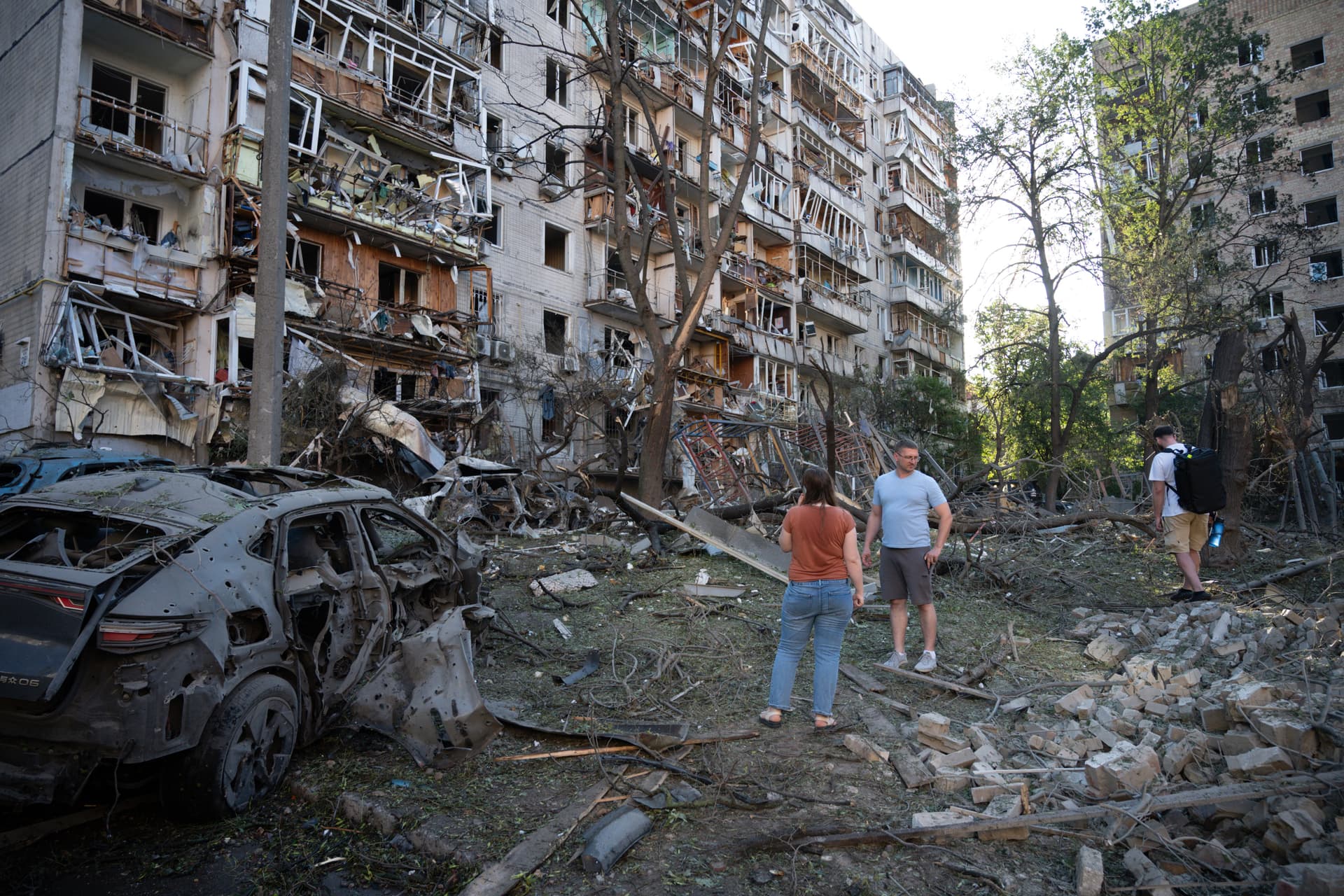
Israeli airstrikes kill 13 in southern Lebanon as Hezbollah attacks continue
Israeli airstrikes killed at least 13 people in southern Lebanon, including nine in Dayr Debba, as the border war stayed lethal and unsettled. The new toll sharpened fears that the front is sliding toward a wider conflict.
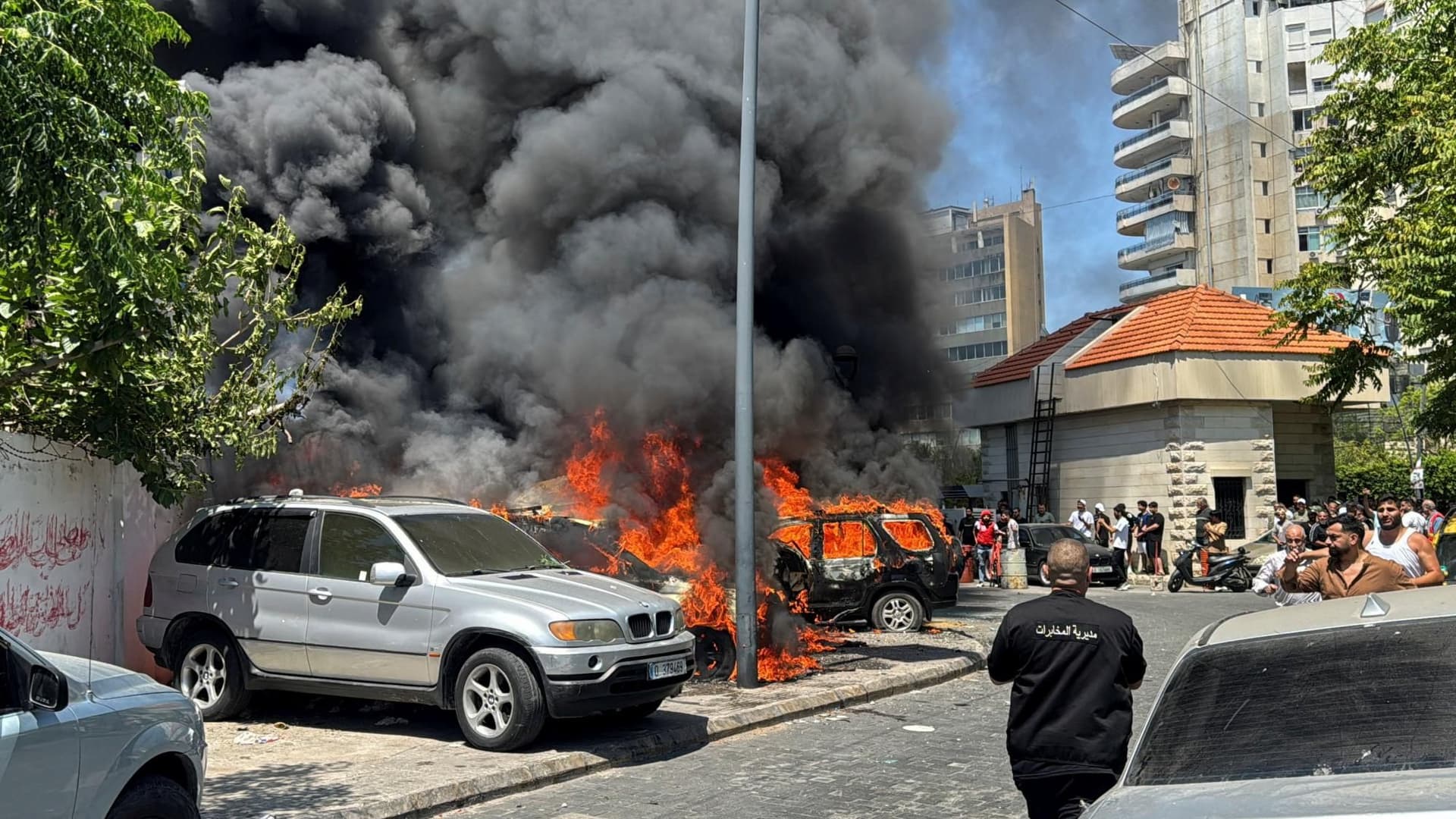
Israeli airstrikes in southern Lebanon killed at least 13 people, including nine in the village of Dayr Debba, about 8 kilometers east of Tyre, a strike pattern that kept civilians and combatants alike inside the blast radius. The latest attacks landed while Hezbollah said it had carried out fresh assaults on Israeli forces in the south, reinforcing how quickly the border has become a live battlefield rather than a contained exchange.
The deaths added to a toll that has climbed with alarming speed. The United Nations Office for the Coordination of Humanitarian Affairs said more than 2,000 people had been killed in Lebanon and 1.2 million displaced by April 13, after the escalation began on March 2. By early June, UN News said the conflict had killed 3,412 people and injured more than 10,000, citing Lebanese health authorities. The Office of the United Nations High Commissioner for Human Rights said that in the first three weeks of the major escalation alone, at least 1,029 people were killed, 2,786 injured and more than one million displaced.
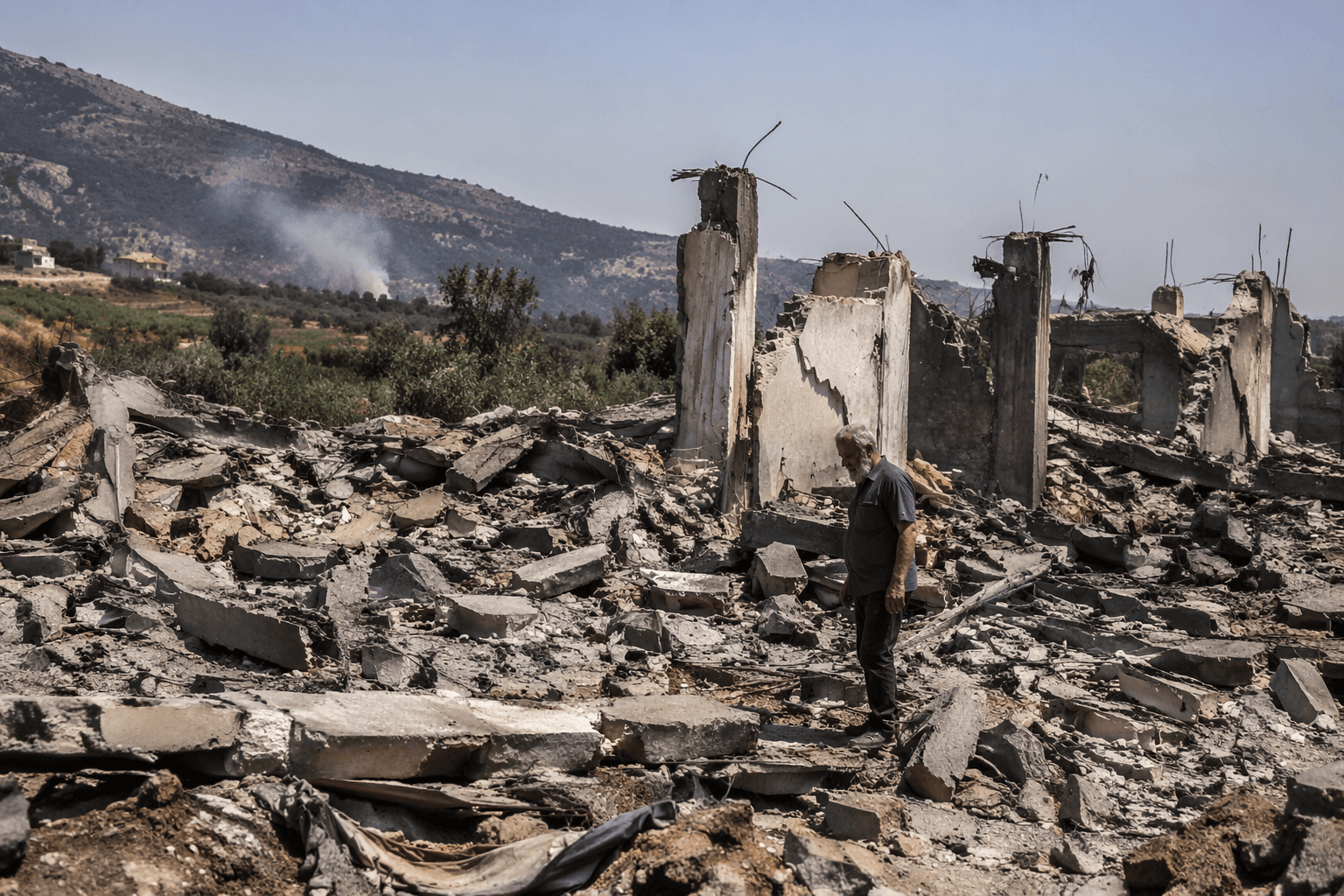
That scale of loss has turned each new strike into a political and humanitarian flashpoint. Israeli forces say they are targeting Hezbollah fighters or infrastructure, but the casualty counts reported in Lebanon show how often the fighting reaches populated areas. Humanitarian reporting also said more than 140,000 displaced people were sheltering in collective sites by April 13, a sign that many families have had nowhere stable to go as homes, roads and towns across southern Lebanon come under repeated attack.
The fighting is part of a longer arc that began in October 2023, intensified sharply in September 2024 and entered a new phase in early 2026 after the collapse of a November 2024 ceasefire. ReliefWeb-linked humanitarian briefings say hostilities have spread beyond southern Lebanon into Nabatieh, the Western Bekaa and Beirut’s southern suburbs, widening the map of risk and increasing the chance that local strikes trigger broader retaliation. Hezbollah entered the conflict on March 2, 2026, and a Strait Times summary said Hezbollah attacks had killed 28 Israeli soldiers and four civilians.
The June 10 strikes showed how narrow the margin for de-escalation has become. With civilian casualties still mounting, displacement still massive and cross-border attacks continuing on both sides, the south Lebanon front remains one of the clearest tests of whether diplomacy can still slow a war that has already moved far beyond the border itself.
This article was produced by Prism’s automated news system from verified source data, official records, and press releases, then run through automated quality and moderation checks before publishing. The system is built and supervised by the people who set the standards it runs under. Read our full AI policy.
Did this article answer your question?