Israeli strikes destroy Nabatieh’s historic market, killing mayor and 15 others
Nabatieh’s market was leveled in a single strike, then its municipal headquarters was hit days later, killing the mayor and at least 15 others. The damage turned a southern trade hub into a symbol of Lebanon’s collapse.
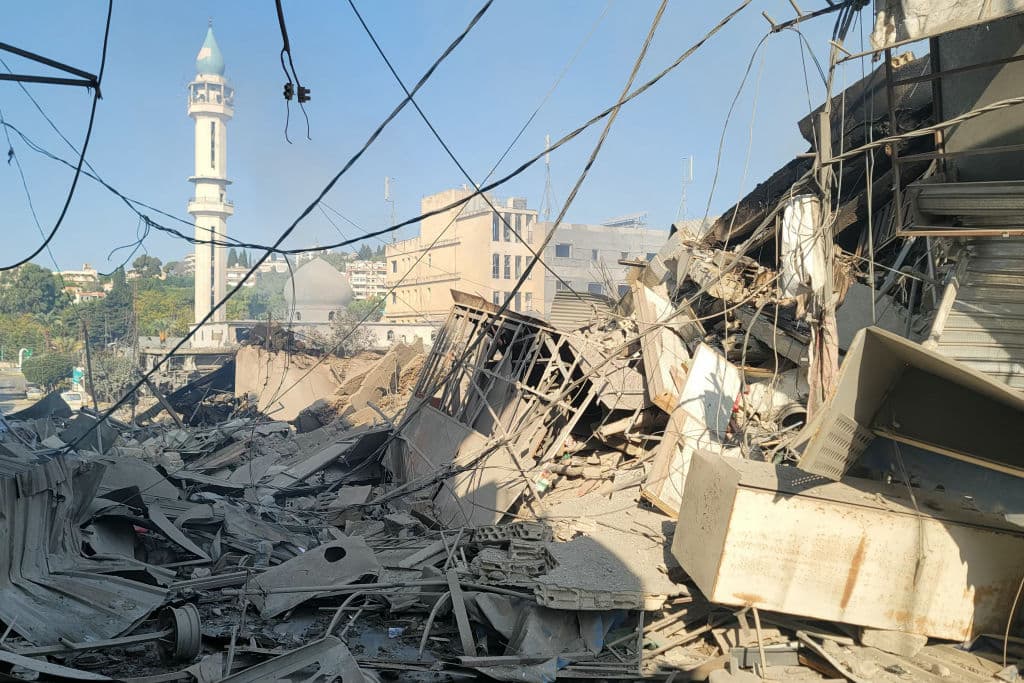
Nabatieh’s centuries-old market was reduced to rubble, then its municipal headquarters was struck days later, killing at least 16 people, including the mayor, and leaving a southern Lebanese city that once anchored trade in ruins. The destruction has turned Nabatieh into a stark measure of how far Lebanon’s war has hollowed out daily life, commerce and public confidence.
The city sits about 65 kilometers from Beirut and is the capital of Nabatieh Governorate, a district of 1,058 square kilometers that makes up roughly 10 percent of Lebanon’s territory. For generations, Souk Al-Ithnayn, or the Monday Market, served as a commercial and cultural crossroads for the south. Believed to date to the Mamluk era, about 500 years ago, it drew shoppers and vendors from across Lebanon and survived Ottoman rule, civil war and earlier Israeli occupation before the latest war shattered it on Oct. 12, 2024.
Four days later, a strike hit the nearby municipal headquarters in Nabatieh, killing at least 16 people, including the mayor, according to Lebanese officials. Amnesty International said it found no evidence of a military target at the building and later said the attack was among several in Lebanon that should be investigated as probable war crimes. The group said it examined satellite imagery, munition remnants and interviews with 35 survivors and witnesses.
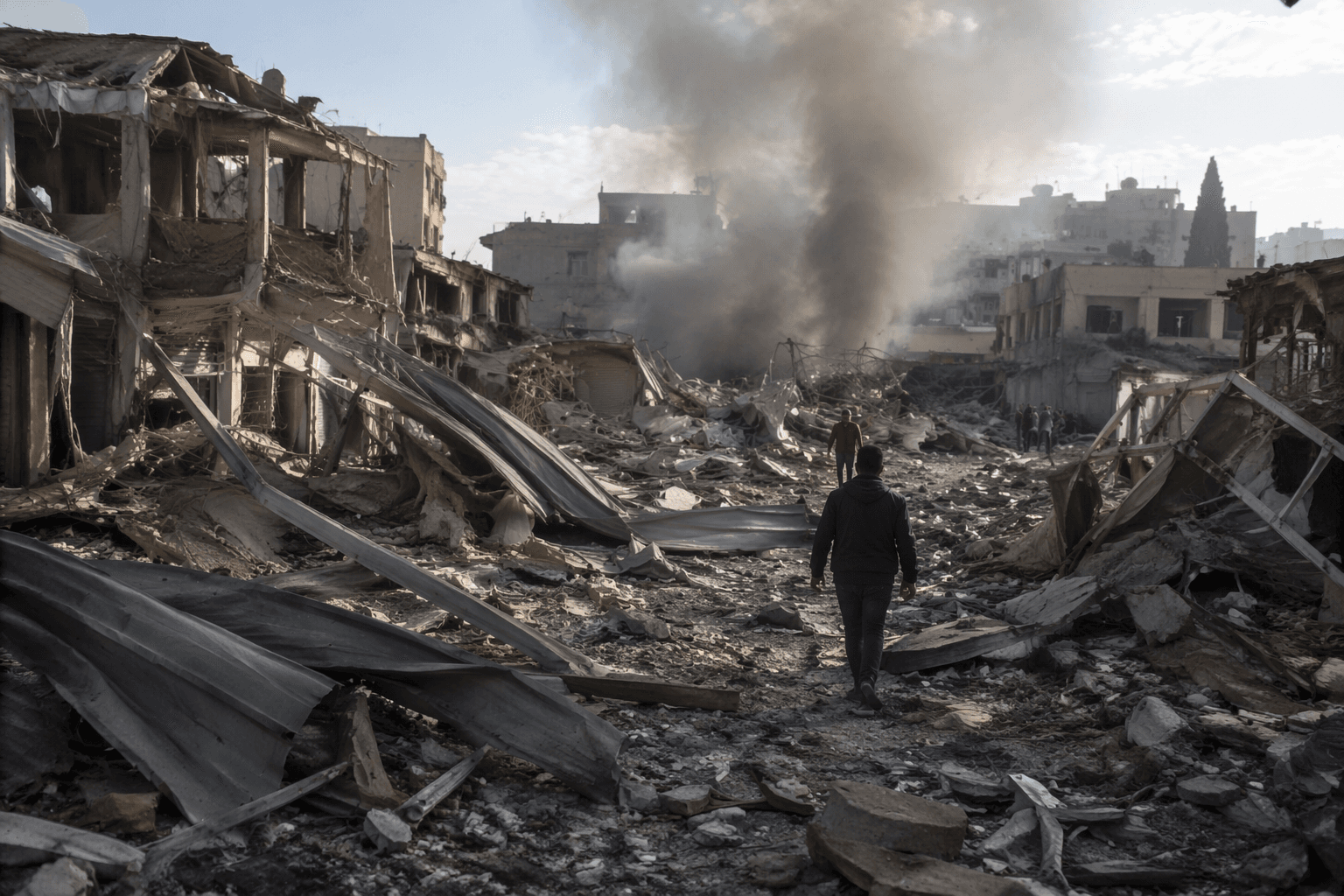
The war’s economic toll has been severe across the city and the country. The World Bank estimated that Nabatieh governorate suffered $1.5 billion in economic losses during the conflict. It later put Lebanon’s conflict-related physical damages and economic losses at $8.5 billion, including $3.4 billion in physical damage and nearly 100,000 housing units partially or fully damaged.
After the U.S.-brokered cease-fire took effect on Nov. 27, 2024, residents and shop owners returned to inspect the wreckage of the old souk. Decades-old stores had been wiped out, and business owners salvaged what they could from twisted metal, collapsed walls and shattered glass. Some residents said the market had been bombed before, including in 2006, but this time the destruction felt total. In Nabatieh, the cease-fire did not restore normal life; it only revealed how much had already been lost.
This article was produced by Prism’s automated news system from verified source data, official records, and press releases, then run through automated quality and moderation checks before publishing. The system is built and supervised by the people who set the standards it runs under. Read our full AI policy.
Know something we missed? Have a correction or additional information?
Submit a Tip