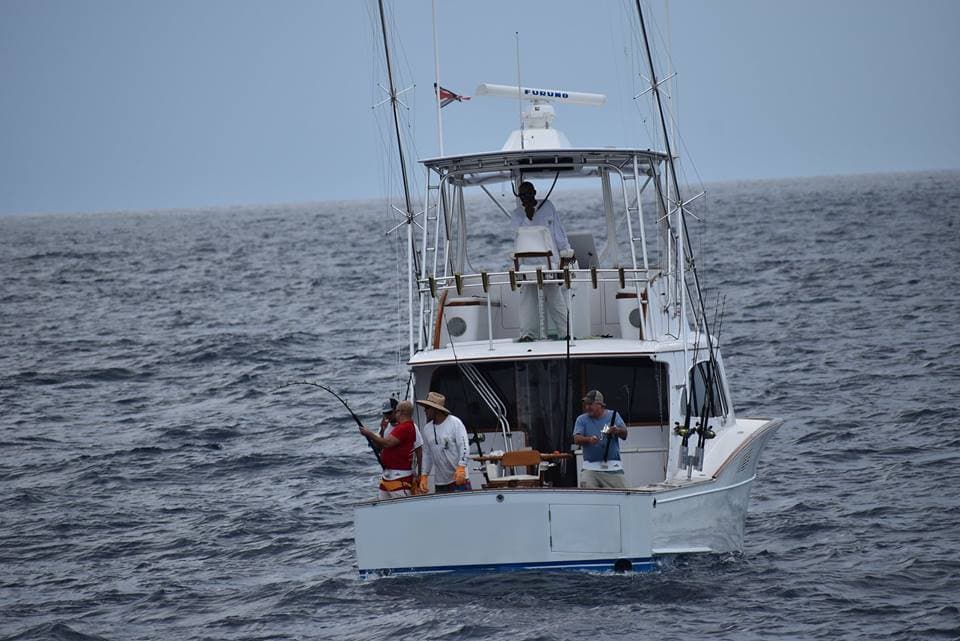
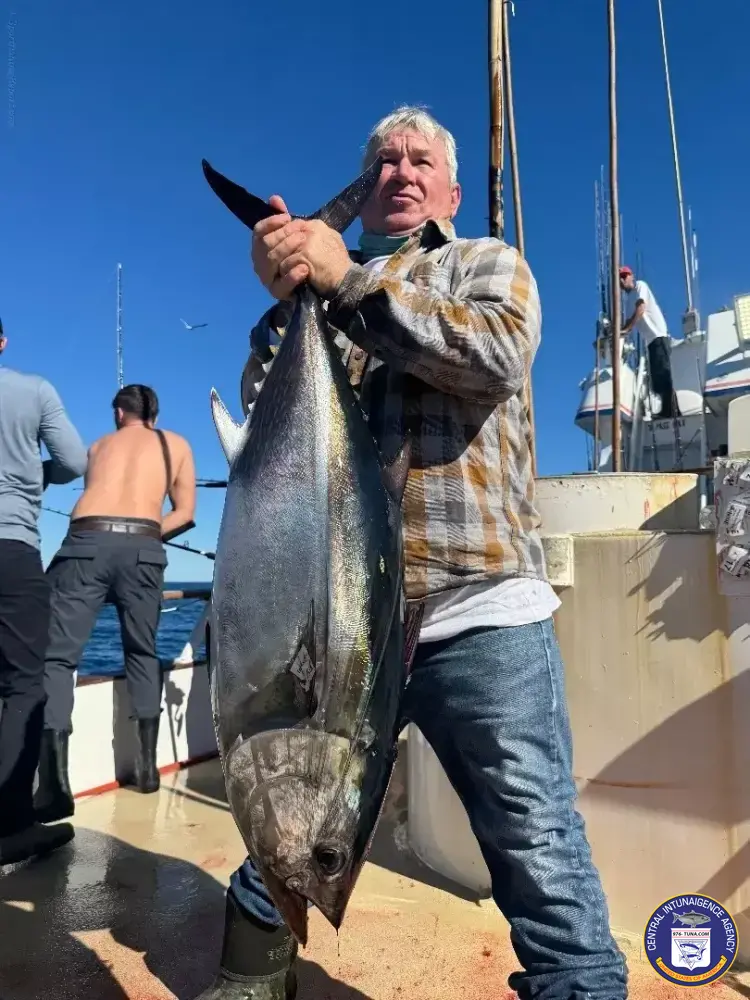
ISSF Repeals Conservation Measure for Indian Ocean Yellowfin Tuna
ISSF’s board voted to repeal Conservation Measure 1.3 after its January 2026 Status of the Stocks report moved Indian Ocean yellowfin from uncertain (yellow) to healthy (green).
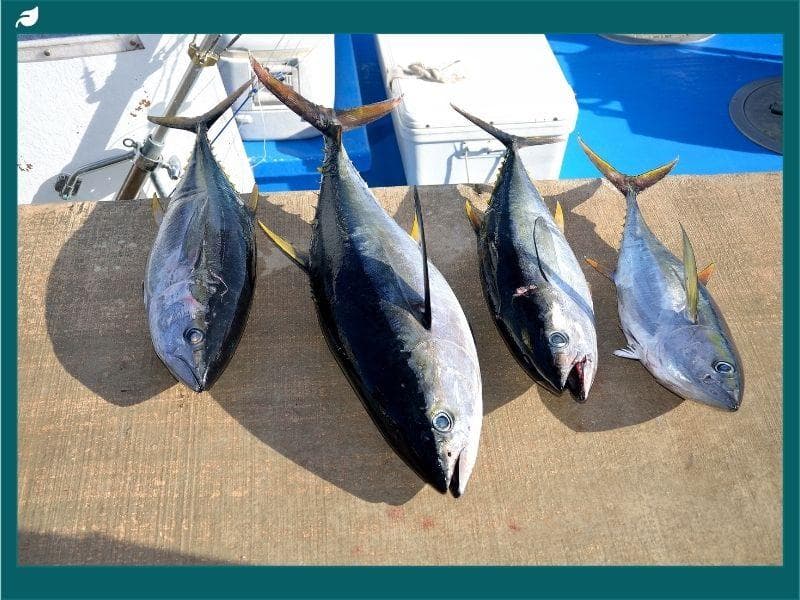
“The Board of Directors of the International Seafood Sustainability Foundation (ISSF) voted to repeal ISSF Conservation Measure 1.3 – IOTC Yellowfin Tuna Rebuilding following a review of updated scientific advice on the status of Indian Ocean yellowfin tuna.” That vote follows the ISSF January 2026 Status of the Stocks report, which states, “The improvement in Indian Ocean yellowfin tuna status is also reflected in ISSF’s January 2026 Status of the Stocks report, which shows the stock status changing from an uncertain (yellow) to healthy (green) abundance rating” and that “no major commercial tuna stocks worldwide are currently classified as overfished or experiencing overfishing.”
Conservation Measure 1.3 was adopted by ISSF in 2021 after scientific assessments flagged the Indian Ocean yellowfin stock as overfished and experiencing overfishing. Under that 2021 measure ISSF-participating companies were required to reduce sourcing of Indian Ocean yellowfin by between 11 and 22 percent and to publicly report on commitments and implementation.
Scientific detail driving the repeal comes from the committee reported by Dialogue Earth, led by Toshihide Kitakado and Gorka Merino, which concluded that the Indian Ocean yellowfin stock “was no longer considered overfished or subject to overfishing.” Dialogue Earth reports, “Its status was changed from red to green, with an 89% probability that stocks had recovered.” Dialogue Earth also notes that, “In practical terms, the decision was the first step in allowing international fleets to catch more of the valuable fish.”
Those recent assessments sit against stark historical declines described in a 2023 global study: yellowfin biomass fell 54 percent globally between the 1950s and 2020, with the greatest decline in the Indian Ocean at 70 percent. Dialogue Earth contrasts those numbers with the International Union for Conservation of Nature’s global Red List framing that the species is “not particularly threatened” even as scientists applying the IUCN methodology to the Indian Ocean population concluded it was “vulnerable.”
Industry members framed the repeal alongside their own sourcing actions. Princes Group, a founder member of ISSF, states, “As a founder member of the International Seafood Sustainability Foundation (ISSF), Princes has committed to reduce annual sourcing of Indian Ocean yellowfin by 11% calculated with respect to our average annual level of Indian Ocean yellowfin purchases from 2017-2019.” Princes further notes that in October 2020 it “announced its aim to reduce Indian Ocean yellowfin sourcing by 50% based on its 2017 purchases by 2022. This was achieved in 2021 with a 51% reduction compared to our 2017 baseline, going beyond the commitment to the ISSF Conservation measure 1.3, where we have reduced our sourcing of Indian Ocean yellowfin tuna by 35% compared to the average purchases between 2017 and 2019. We continue to uphold our commitment to ISSF Conversation Measure 1.3 in 2024. Updated December 2024.” Princes traces its business back to 1880 and emphasizes supplier standards in that statement.
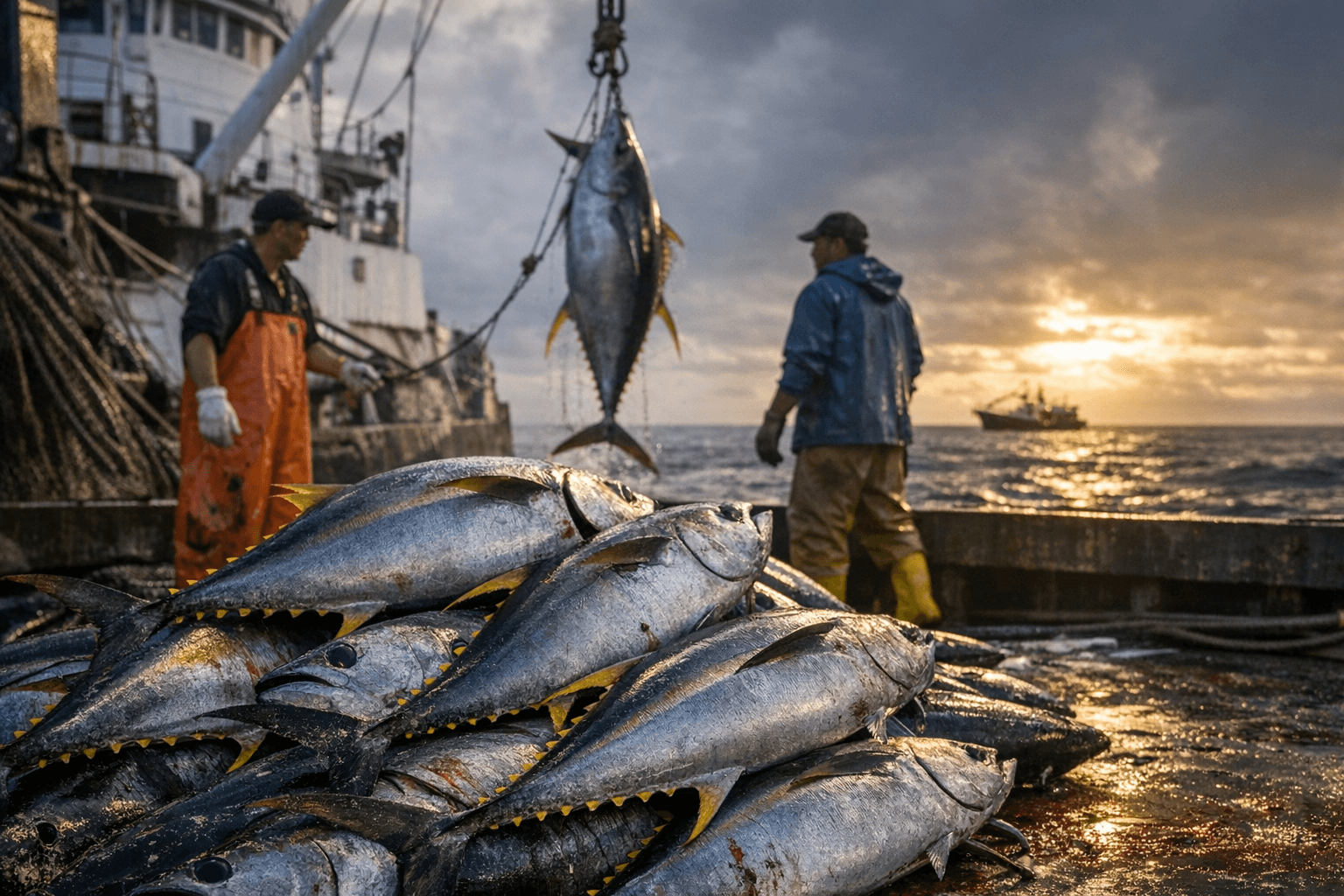
Conservation voices remain alarmed. An original report fragment warns repeal “could lead to ecosystem collapse and devastate coastal communities reliant on tuna fisheries.” Umair Shahid, WWF Indian Ocean tuna manager, is quoted via Dialogue Earth: “If unsustainable yellowfin fishing continues, it could have permanent and extremely damaging effects on millions of people and the planet.”
ISSF framed the move as a science-driven adjustment and said the repeal “does not change ISSF’s continued engagement with IOTC, where ISSF will continue to advocate for science-based management measures, including catch limits consistent with scientific advice, to ensure the long-term sustainability of Indian Ocean tuna fisheries.” ISSF’s public materials supplied no exact vote date for the Board decision in the release.
The immediate fallout is practical: committee chairs Toshihide Kitakado and Gorka Merino’s assessment and ISSF’s January 2026 upgrade clear the way for higher catches by international fleets unless IOTC or national managers impose limits. Whether increased fishing follows and how coastal communities and market players such as Princes respond will hinge on IOTC measures, the scientific committee’s full reports, and ongoing monitoring of the stock.
Know something we missed? Have a correction or additional information?
Submit a Tip