Italy’s child obesity crisis deepens despite Mediterranean diet legacy
Italy's surveillance shows 28.8% of 8-9 year-olds were overweight or obese, with the heaviest burden in Campania and Calabria.
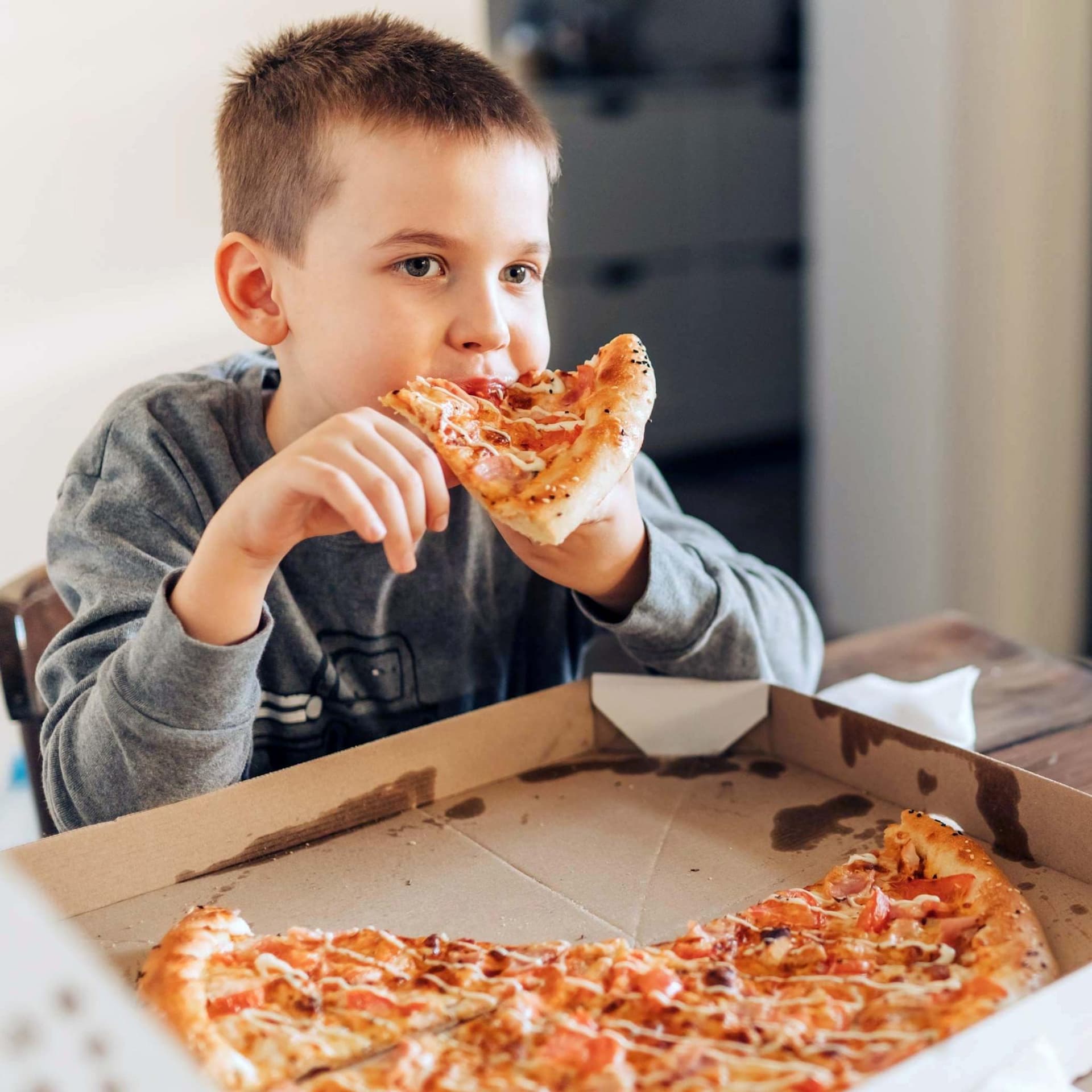
Italy's children are growing up in a country built around the Mediterranean diet, but the public-health record tells a harsher story. The 2023 OKkio alla SALUTE survey reached 46,559 children in 2,802 classes and 45,610 parents, large enough to show that weight gain is woven into school-age routines, not isolated cases.
A legacy diet, a different childhood
WHO/Europe said in December 2020 that more than 20% of Italian children were overweight, a warning sign for a country whose food culture is often held up as a model. The regional picture only sharpened that concern: in May 2023, WHO/Europe said about one in three children in the WHO European Region was living with overweight or obesity, and in 2018 it identified southern European countries as the places with the highest childhood obesity rates. That puts Italy in a wider European pattern, but also at the center of it.
Earlier coverage had already pointed to the same contradiction, describing the Mediterranean diet as disappearing among children in Greece, Spain and Italy, and saying Italian children were shunning that diet and growing up fatter. The gap is not about pasta or pizza alone; it is about what happens between meals, after school, and in homes where time for cooking, movement, and shared routines is under pressure.
How Italy measures the problem
OKkio alla SALUTE is the country's national surveillance system for overweight, obesity and related risk factors in primary schoolchildren aged 6 to 10. It is promoted and financed by the Italian Ministry of Health and coordinated by the National Centre for Disease Prevention and Health Promotion, known as CNaPPS, at the Istituto Superiore di Sanità, in collaboration with the Italian Regions and the Ministry of Education. It also sits on Italy's official list of national surveillance systems and registries under the Prime Ministerial Decree of 3 March 2017.
That institutional design matters because OKkio does more than count children by weight status. It studies eating habits, physical activity, sedentary behavior, and school and family context, and it aligns with the national health-promotion program Guadagnare salute. In other words, the survey treats childhood obesity as a systems problem, one shaped by canteens, classrooms, family schedules, screens, and opportunities for movement.
Where the burden falls
The 2023 round makes the scale of the problem hard to ignore. A March 2025 report based on the 2023 data estimated that 28.8% of Italian children aged 8-9 were overweight or obese, and the highest rates were in southern regions such as Campania and Calabria. That regional split is not a footnote. It shows that national averages can hide deep inequalities in children's daily environments and access to healthy routines.
Campania and Calabria matter because they point to how geography, local services, and family circumstances shape health outcomes long before adulthood. When the highest rates cluster in the south, the question is not simply whether families know the Mediterranean diet by reputation. It is whether children can actually live it through regular meals, active play, and school settings that support healthier choices.
A broader European benchmark
Italy's child weight trends are also visible in broader surveillance systems. The WHO European Childhood Obesity Surveillance Initiative, or COSI, compares child obesity data across countries in the region, giving policymakers a common frame for judging whether national interventions are working. Against that backdrop, the World Obesity Federation's Italy child report card broadens the picture further by covering children and adolescents aged 5 to 18 and tracking trends from 2008 to 2023.
That longer span matters because it shows the problem does not stop at primary school. By including common obesity drivers and comorbidities where data are available, the report card shifts the debate away from a single measurement and toward the conditions that sustain excess weight over time. Italy's challenge is not only to spot the problem early, but to prevent it from hardening as children move into adolescence.
What the Mediterranean diet gap really means
The phrase Mediterranean diet still carries enormous symbolic weight, but OKkio's focus on behavior and environment shows why symbols are not enough. The distance between identity and practice is visible in ultra-processed snacks, sedentary routines, family time pressures, and school food environments that do not always reinforce the country's nutritional ideal. Those are the daily conditions that determine whether children eat well, move enough, and sit less.
Italy's public institutions have already built the surveillance architecture to see the problem clearly. The remaining test is whether the Ministry of Health, the Ministry of Education, the Regions, and local school systems use those measurements to close the gap between a celebrated food culture and the reality inside children's lunches, afternoons, and neighborhoods. Without that shift, the Mediterranean diet will remain a national emblem that many children never actually inherit.
This article was produced by Prism’s automated news system from verified source data, official records, and press releases, then run through automated quality and moderation checks before publishing. The system is built and supervised by the people who set the standards it runs under. Read our full AI policy.
Did this article answer your question?