Ituri warns Ebola outbreak could become disaster as cases rise
Ituri’s Ebola outbreak spread fast enough to alarm neighbors, with Uganda already logging an imported case and the province warning that every lost day brings disaster closer.
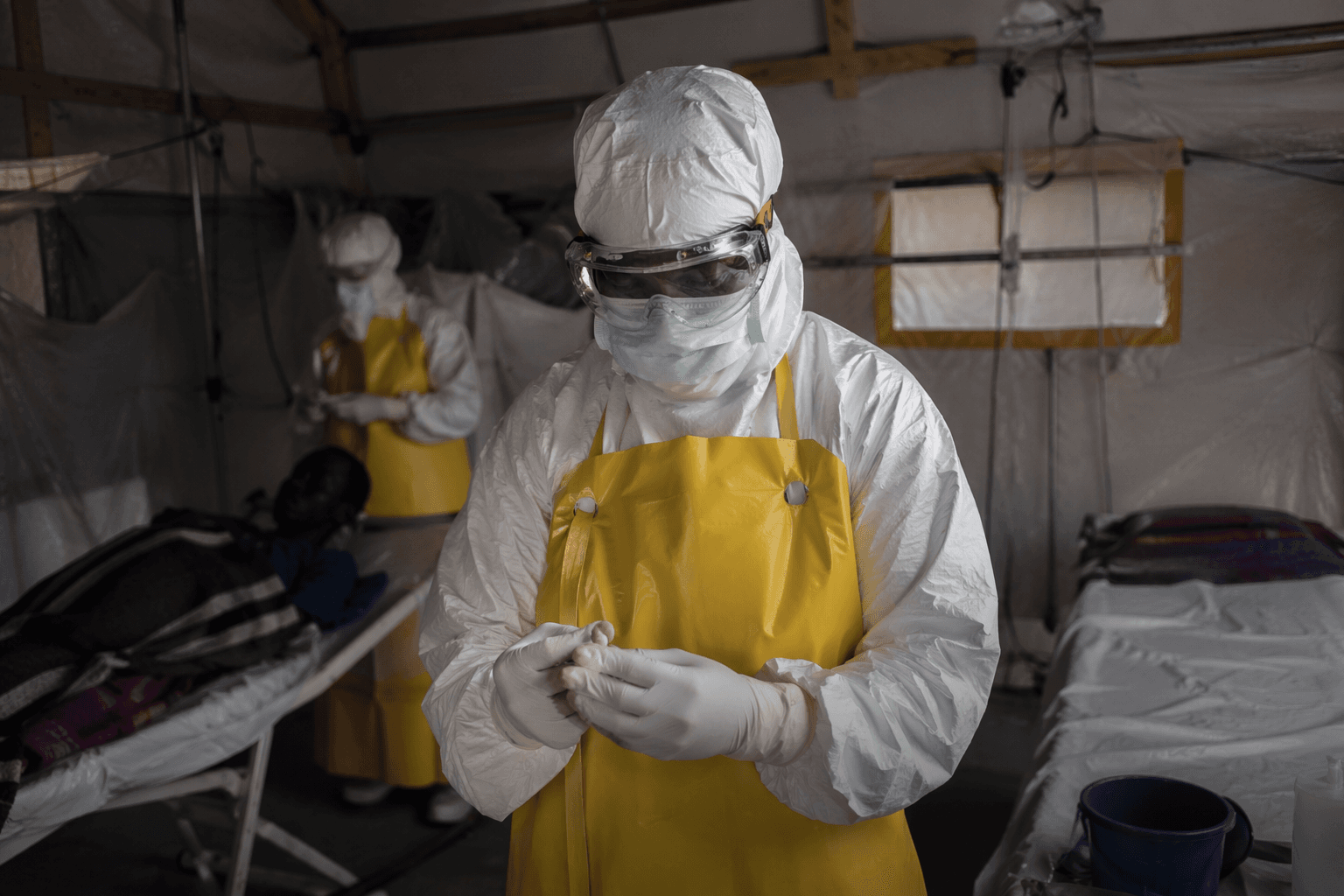
Lebon Kasamira warned that Ituri was running out of time as Ebola surged through the north-eastern province, where insecurity, mining traffic and displaced communities are complicating the response and raising the stakes far beyond Congo’s borders. The outbreak, caused by the Bundibugyo virus, was declared in the Democratic Republic of the Congo on May 15, 2026, and the World Health Organization classified it as a Public Health Emergency of International Concern two days later.
This is Congo’s 17th Ebola outbreak since the virus was first identified in 1976, and the first cases were tied to the Mongbwalu and Rwampara health zones in Ituri. By May 16, the U.S. Centers for Disease Control and Prevention said the country had reported 246 suspected cases and 80 deaths. By May 18, the tally had climbed to 516 suspected cases and 131 suspected deaths across seven health zones in two provinces, along with 33 confirmed cases and four confirmed deaths. The heaviest burden of suspected illness remained in Ituri, while confirmed cases were also reported in Bunia, Nyankunde and Mongbwalu, and outside the province in North Kivu’s Butembo, Goma and Katwa.
A swift Ebola response depends on surveillance to find cases early, isolation to stop transmission, vaccination to ring-fence contacts, enough staff to trace exposures, and secure transport to move patients and supplies safely. In Ituri, each of those links is under strain. Health officials and aid agencies say the outbreak is unfolding in a setting marked by insecurity, population displacement, mining-related movement and frequent cross-border travel, conditions that can let the virus outrun local containment efforts. WHO and other agencies have also pointed to community distrust, aid constraints and attacks or insecurity around treatment work.
The international response moved quickly, but the scale of need is already larger than the first wave of supplies. WHO said it delivered 11.5 tonnes of medical supplies and equipment within 72 hours of the declaration, while more than 35 WHO and Ministry of Health experts and first responders were deployed. The United Nations said the shipment included protective gear, medical kits, tents, and water, sanitation and hygiene supplies, with MONUSCO airlifting some of the material and helping with ground access.

The crisis has already crossed a border. Africa Centres for Disease Control and Prevention said Uganda reported an imported Bundibugyo case in a 59-year-old Congolese man who died after treatment in Kampala, prompting surveillance and screening there. South African President Cyril Ramaphosa, speaking in his role as AU Champion on Pandemic Prevention, Preparedness and Response, praised Congo and Uganda for moving fast and warned that Ebola does not respect borders. The U.S. CDC said the risk of spread to the United States was low, but the World Food Programme cautioned that the outbreak could deepen hunger and humanitarian need in eastern Congo if coordinated action fails, turning a health emergency into a wider regional disaster.
This article was produced by Prism’s automated news system from verified source data, official records, and press releases, then run through automated quality and moderation checks before publishing. The system is built and supervised by the people who set the standards it runs under. Read our full AI policy.
Did this article answer your question?