Jacksonville Council Could Approve No-Camping Ordinance, Confirm New Attorney
Jacksonville aldermen met Monday with a potential final vote on a no-camping ordinance that would ban sleeping in public with $25 fines and with confirmation of a new city attorney expected.
Jacksonville aldermen met Monday with two high-profile items on the agenda: potential final action on an ordinance that would ban camping and sleeping in public and the expected confirmation of Jeff Soltermann as the city’s new attorney effective February 15, replacing Dan Beard, who is retiring.
The no-camping ordinance passed first reading last month and would ban camping and sleeping in public while imposing $25 fines for violations tied to people camping in the city. Aldermen discussed making changes to the measure in advance of the meeting; it is unclear whether those amendments were finalized or whether the ordinance was ready for a final reading. The council also planned to review an ordinance regulating the use of low-speed electric bikes, but details of that proposal were not available.
Budget and economic development items were scheduled alongside the ordinance debate. Aldermen appeared ready to approve the final reading of an appropriations ordinance totaling $66 and a half million ($66.5 million). The council was set to discuss transferring the 2026 home rule volume cap to the Western Illinois Economic Development Authority and to consider a tax-increment financing application from Hamilton’s on North East; the TIF submission did not include project cost or scope in the materials available before the meeting.
The personnel item carried a clear timeline. Jeff Soltermann was expected to be confirmed as Jacksonville’s new city attorney and to assume the post on February 15. Dan Beard is retiring from the position; no additional biographical details or confirmation votes were available before the meeting adjourned. The council’s workshop began at 6 p.m., with the regular session to follow.
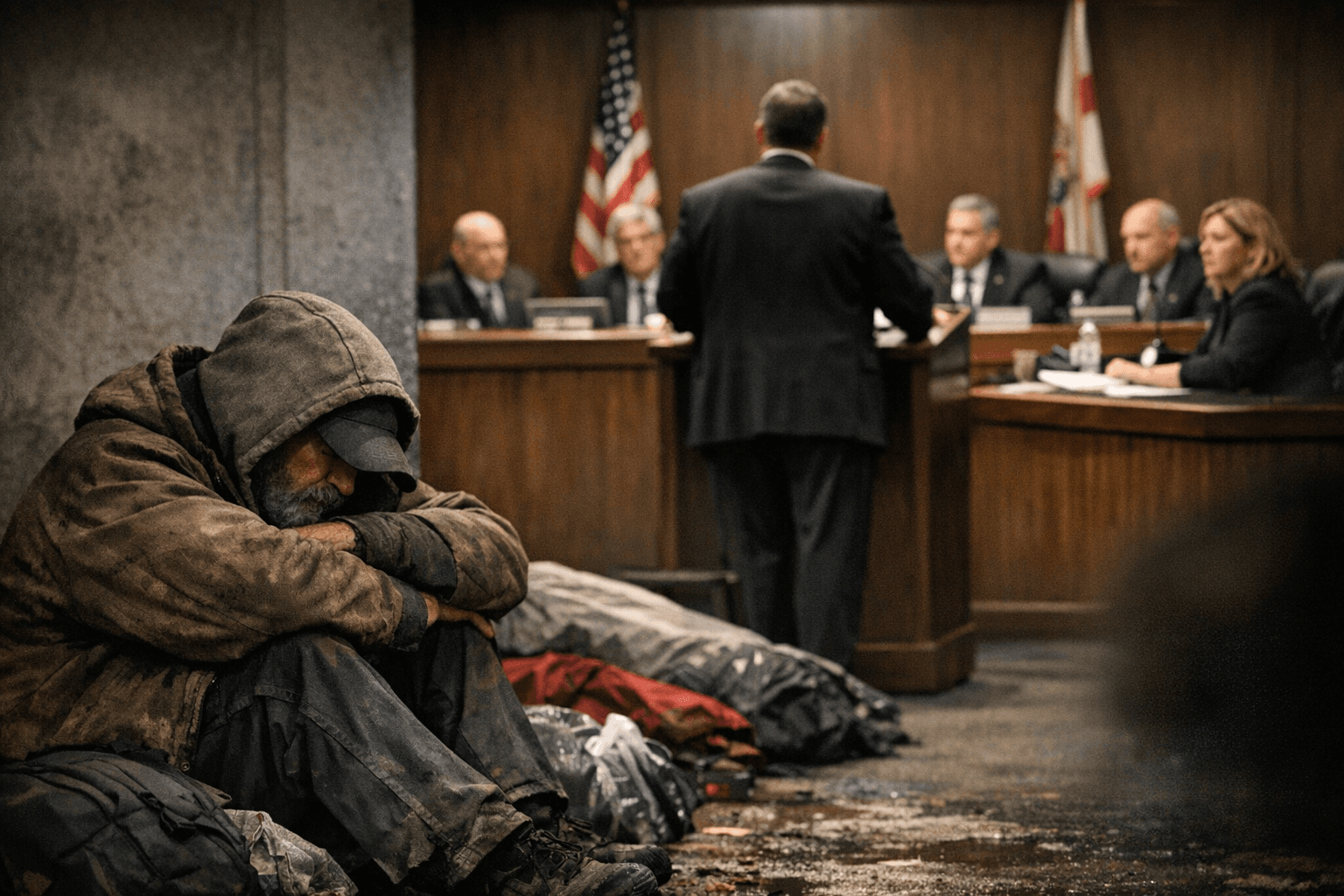
Jacksonville’s proposed ordinance raises the same questions that have surfaced in other cities that have pursued anti-camping laws. In Greenville, S.C., city leaders refined their ordinance after consulting local service providers and conditioned parts of the law on the opening of a homeless support center and other collaborative steps before the rule could take effect. Cody Carver of Greenville Together noted the role of service-provider input in that process: “We shared recommendations such as prioritizing outreach first engagement, creating safe options for storing personal belongings, and ensuring 24-7 access to restrooms, just to name a few. These recommendations are now reflected in the ordinance and that matters.” City council debate there illustrated the tension between public-space rules and protections for people experiencing homelessness; one Greenville councilmember summed up the start of implementation by saying, “Now that we’ve got this enacted, now the real work starts.”
For Jacksonville residents, the immediate impacts hinge on whether amendments were adopted and how the ordinance would be enforced. Key unanswered items include the final text of the ordinance, whether the $25 penalty is per incident, and any enforcement or exemption language. Residents can expect the council’s official minutes and the city clerk’s ordinance text to show whether the measure passed, how aldermen voted, and what conditions - if any - the council attached before the law would be enforced. The confirmation of a new city attorney on February 15 will begin a new chapter in the city’s legal leadership as elected officials move into budget and development decisions for the year.
Know something we missed? Have a correction or additional information?
Submit a Tip