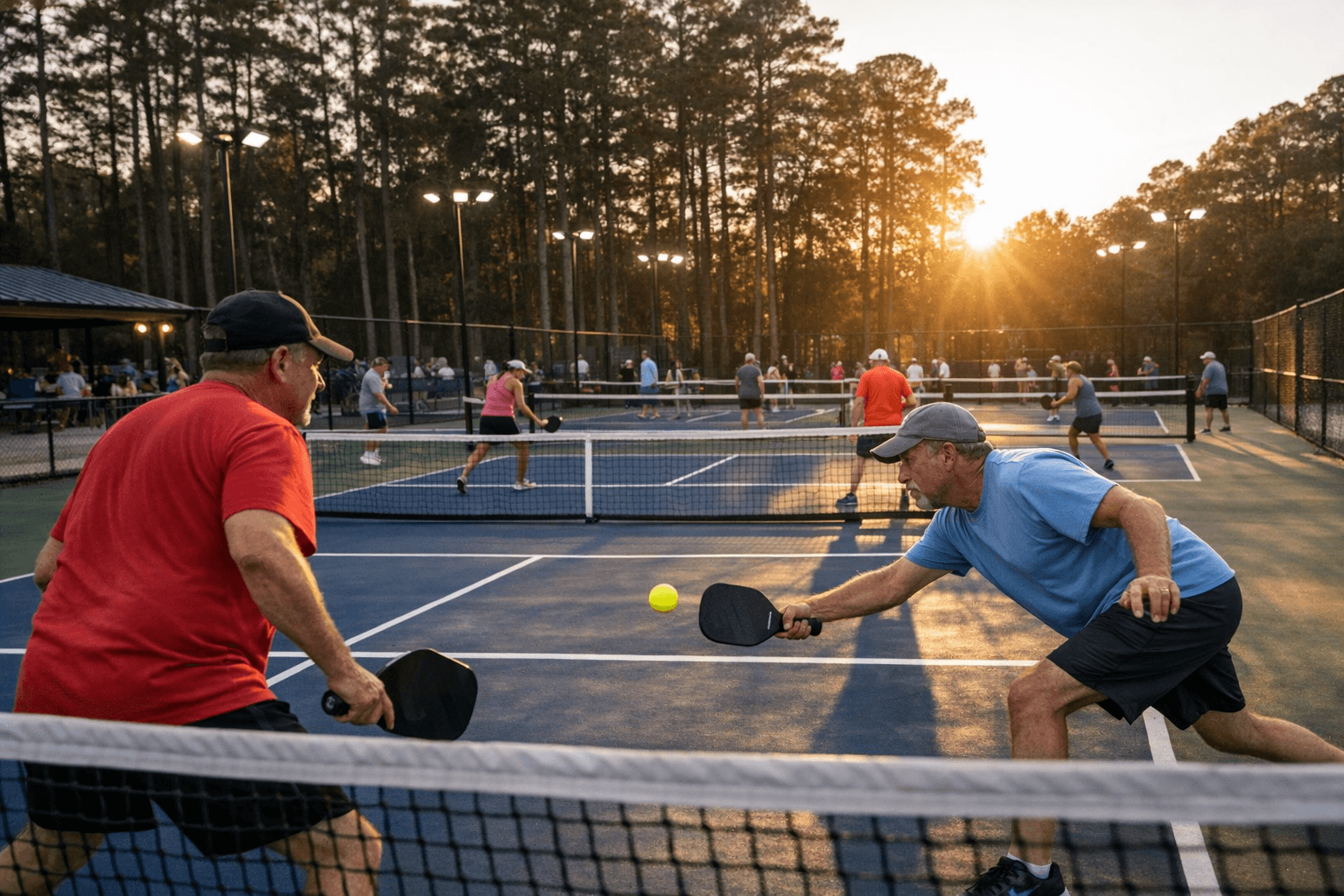
Jacksonville grant bid rejected; public pickleball courts left unfunded
Jacksonville's application for state funding for public pickleball courts was rejected, leaving no grant support and exposing a split over parks priorities.
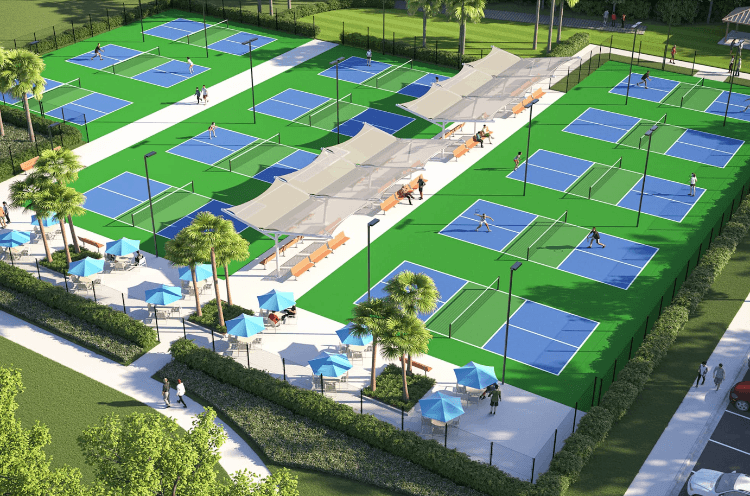
Jacksonville's bid for state Open Space Land Acquisition and Development grant funding to build public pickleball courts was rejected, leaving the town without state support for new courts and sharpening a local debate over park priorities. The state distributed roughly $36 million across 67 park projects, but Jacksonville did not receive any of that funding.
Local advocates who pushed for the application said the town lacks usable public tennis and pickleball courts and expressed strong disappointment at the outcome. Opponents of the grant effort argued those funds should be directed to other priorities, reflecting a community divided over how municipal park dollars should be spent and what facilities best serve residents.
City staff were notified of the rejection by email and expect a formal letter that will outline reasons for the denial and offer suggestions for improving a future application. That follow-up will be key for staff planners and council members weighing whether to reapply in a future funding cycle or pivot to other funding mechanisms. The letter could also clarify whether technical tweaks or project scope changes would make a future application more competitive.
The practical fallout is immediate for players who rely on public courts. Without state grant dollars, building fully equipped, publicly accessible pickleball courts will likely require the city to reallocate park maintenance or capital budgets, identify private partnerships, or phase construction over multiple fiscal years. For communities with growing pickleball demand, waiting on a future grant cycle can mean more months or years of cramped court time, improvised striping on tennis courts, or continued reliance on private clubs.
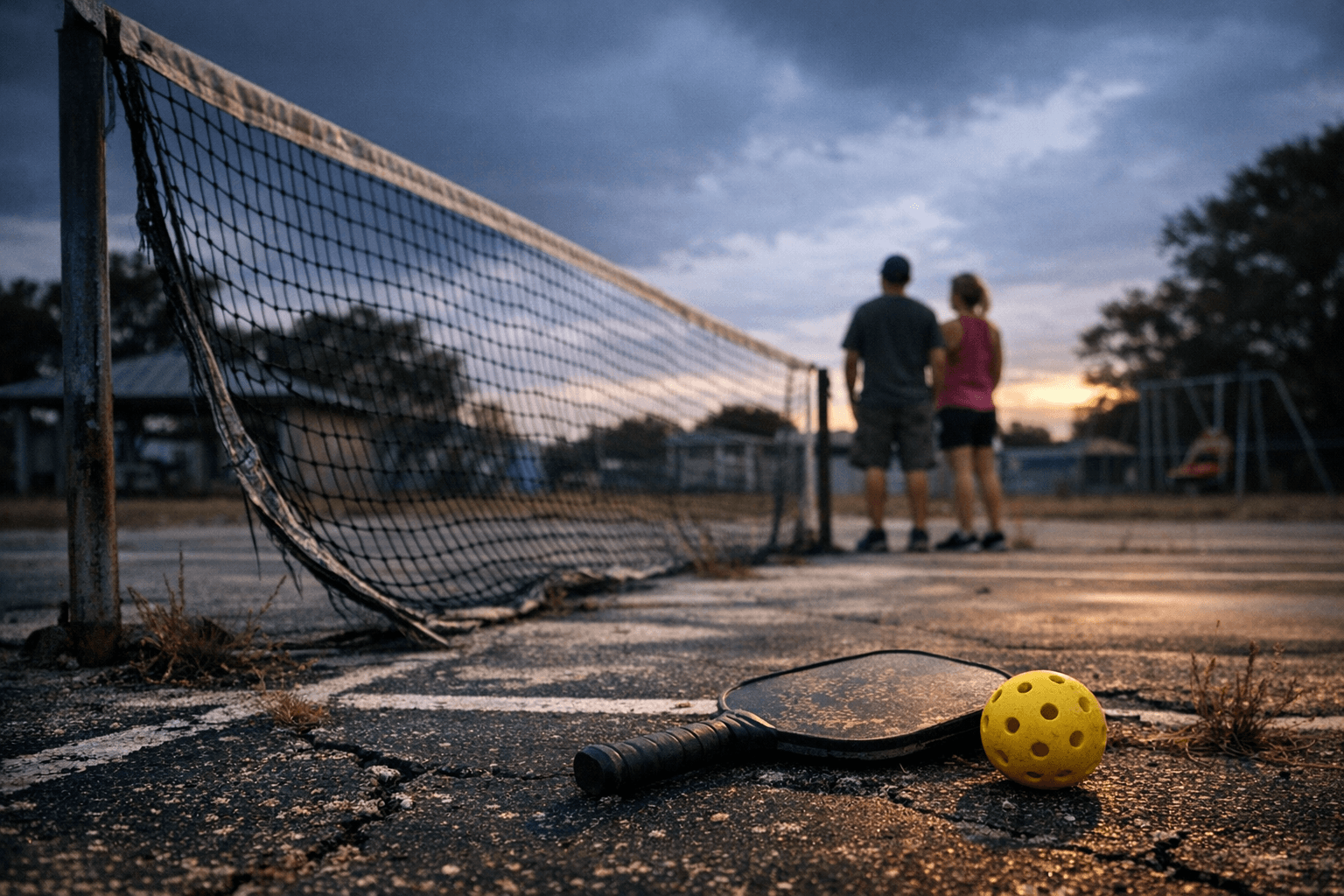
For municipal leaders, the decision highlights the tradeoffs involved in park project funding and the importance of presenting a tightly scoped, well-documented application that aligns with state criteria. Advocates who want courts can use the upcoming formal feedback to craft a revised proposal or press for town-level budget earmarks at council budget workshops. Opponents can make their case for alternative priorities within the same public processes.
Next steps for players and community members include watching for the formal rejection letter, attending upcoming council and parks meetings, and engaging with staff as they consider reapplication or local options. Whether Jacksonville reworks the grant bid or funds courts through the city budget, the decision has put court development squarely on the agenda and will determine whether local players are back on public surfaces or still waiting to step out of the kitchen.
Know something we missed? Have a correction or additional information?
Submit a Tip