Jacksonville grant for public pickleball courts rejected by state
Jacksonville's application for state open-space funding to build public pickleball courts was not selected; residents debate park priorities and next steps.
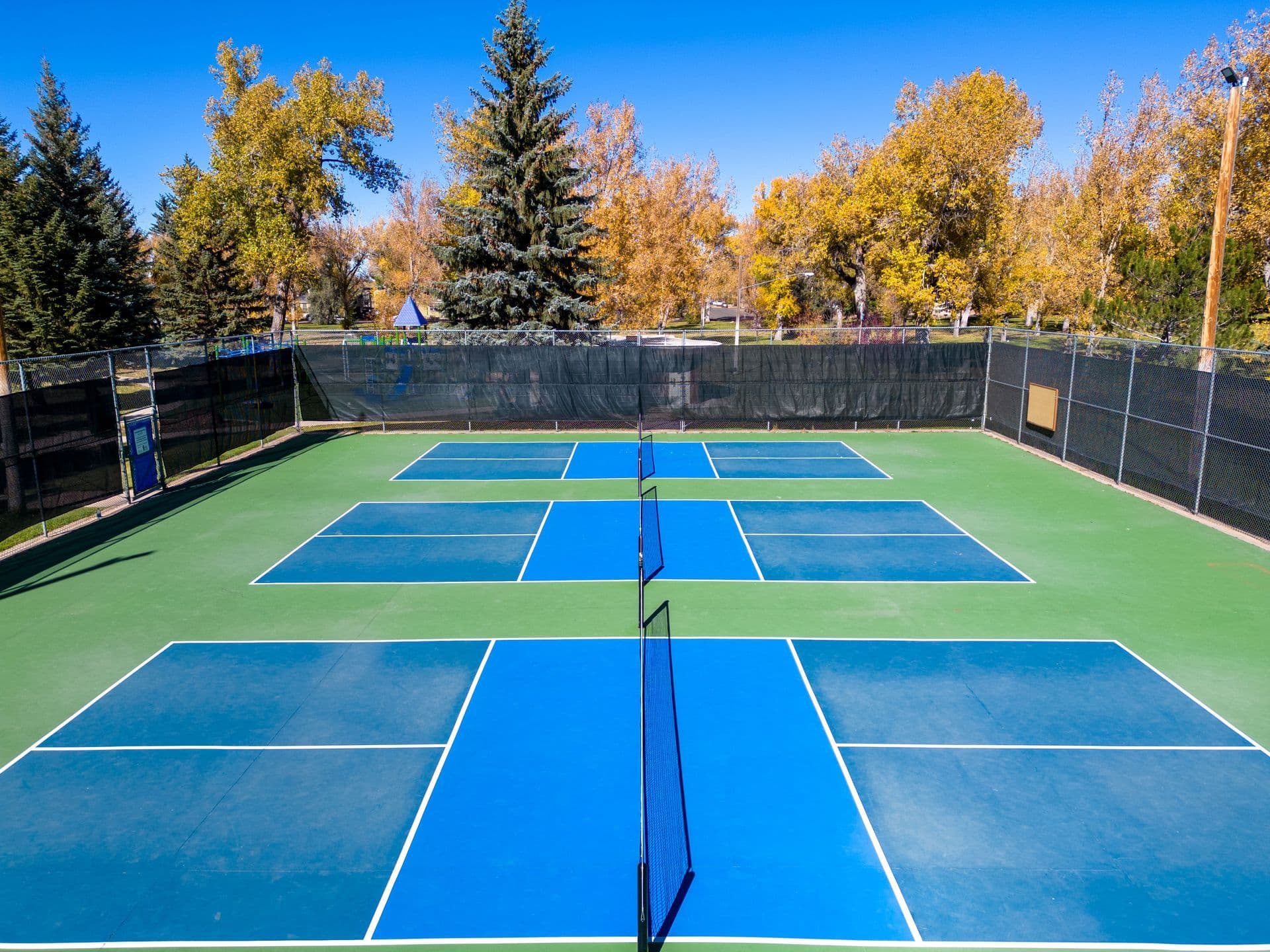
Jacksonville’s bid for an Open Space Land Acquisition and Development grant to build public pickleball courts was not selected by the state, leaving the proposed project on hold and reigniting local debate over how park dollars should be spent. The statewide program awarded roughly $36 million across 67 projects, and Jacksonville’s application failed to make the competitive cut.
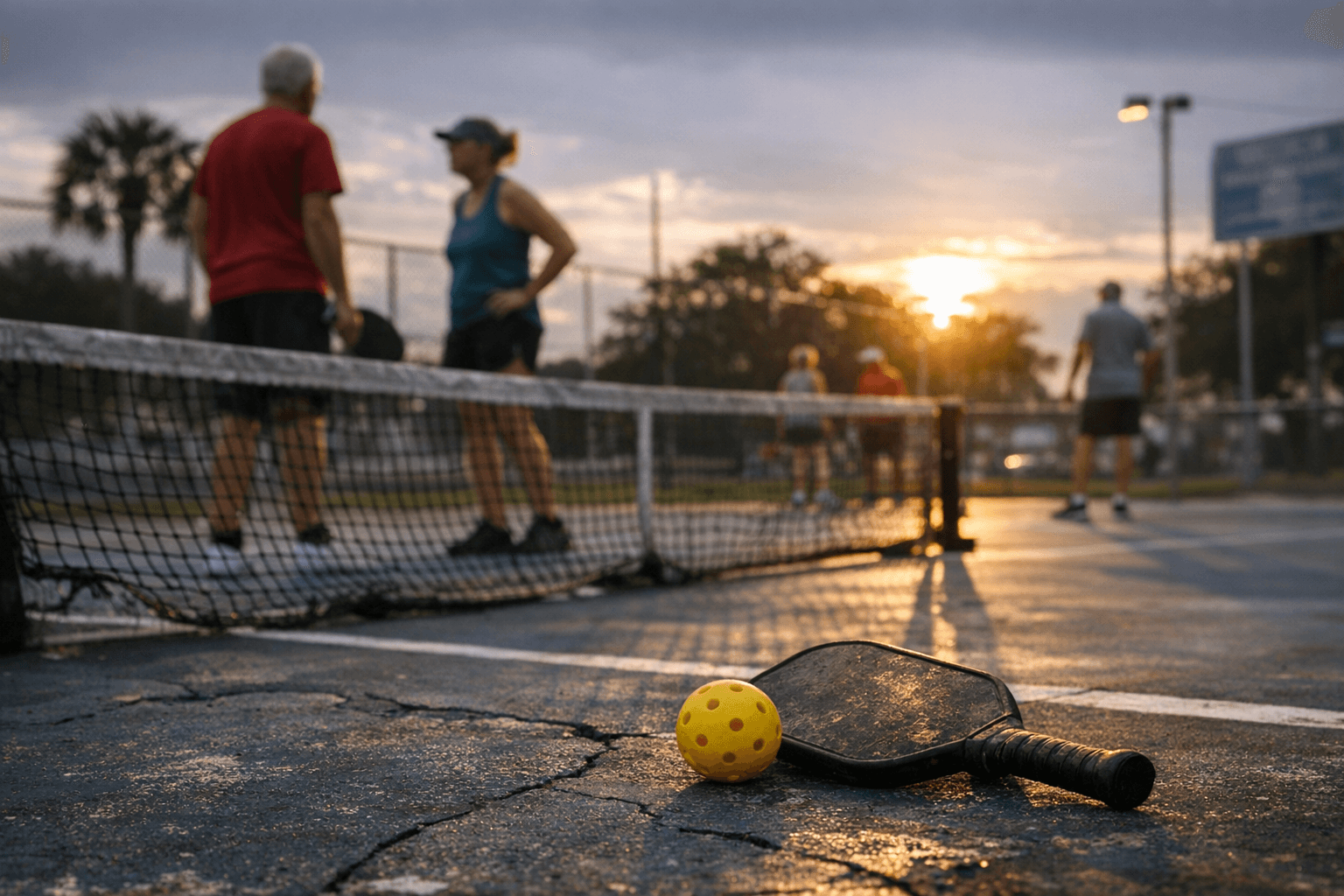
The outcome matters in Morgan County because the proposed courts were pitched as an opportunity to expand low-cost recreation in city parks and to reuse or supplement the county’s aging tennis facilities. Supporters have pointed to growing local interest in pickleball and the shortage of usable public tennis courts as reasons the city should pursue state funding and prioritize court construction. Opponents say the sport may be a short-lived trend and argue funds would be better spent on other park needs, such as playground upgrades, trails, or maintenance backlogs.
Local advocates Jodi Beavers Brogdon and Tino Vasquez have been visible proponents of bringing public pickleball courts to Jacksonville, organizing interest among players and neighbors. Their efforts helped frame the project as a community-driven response to demand for accessible recreation. City officials have said they will review state feedback and consider revising the application for a future round of grants.
The grant program’s competitive nature underscores a broader policy challenge for small cities: limited state resources force difficult trade-offs among recreation, conservation, and infrastructure projects. Winning awards requires not only demonstrated local need but also clear plans for long-term maintenance and community benefit. For Jacksonville, that means addressing questions about site selection, operating costs, and how courts would fit into the city’s wider parks and recreation strategy.
At a local level, the decision will affect where scarce municipal dollars go in the coming budget cycles. If Jacksonville seeks to reapply, city leaders will need to present stronger evidence of public demand and a maintenance plan that satisfies grant criteria. The debate has already prompted more residents to engage with parks planning, attend meetings, and weigh in on priorities for public space investments.
For residents, the immediate impact is practical: the proposed public courts will not move forward under this grant award. Longer term, the episode highlights the leverage citizens have when they organize around specific amenities. City hall is likely to reopen the conversation about park funding and priorities in upcoming council and parks board sessions, giving residents an opening to influence the next iteration of the proposal.
What comes next is a choice for Jacksonville officials and voters: pursue a revised grant application with clearer financial and maintenance commitments, reallocate local funds to other park needs, or build community consensus around a different recreation priority. Residents should follow city announcements and participate in public meetings to ensure local priorities shape whichever path the city takes.
Sources:
Know something we missed? Have a correction or additional information?
Submit a Tip