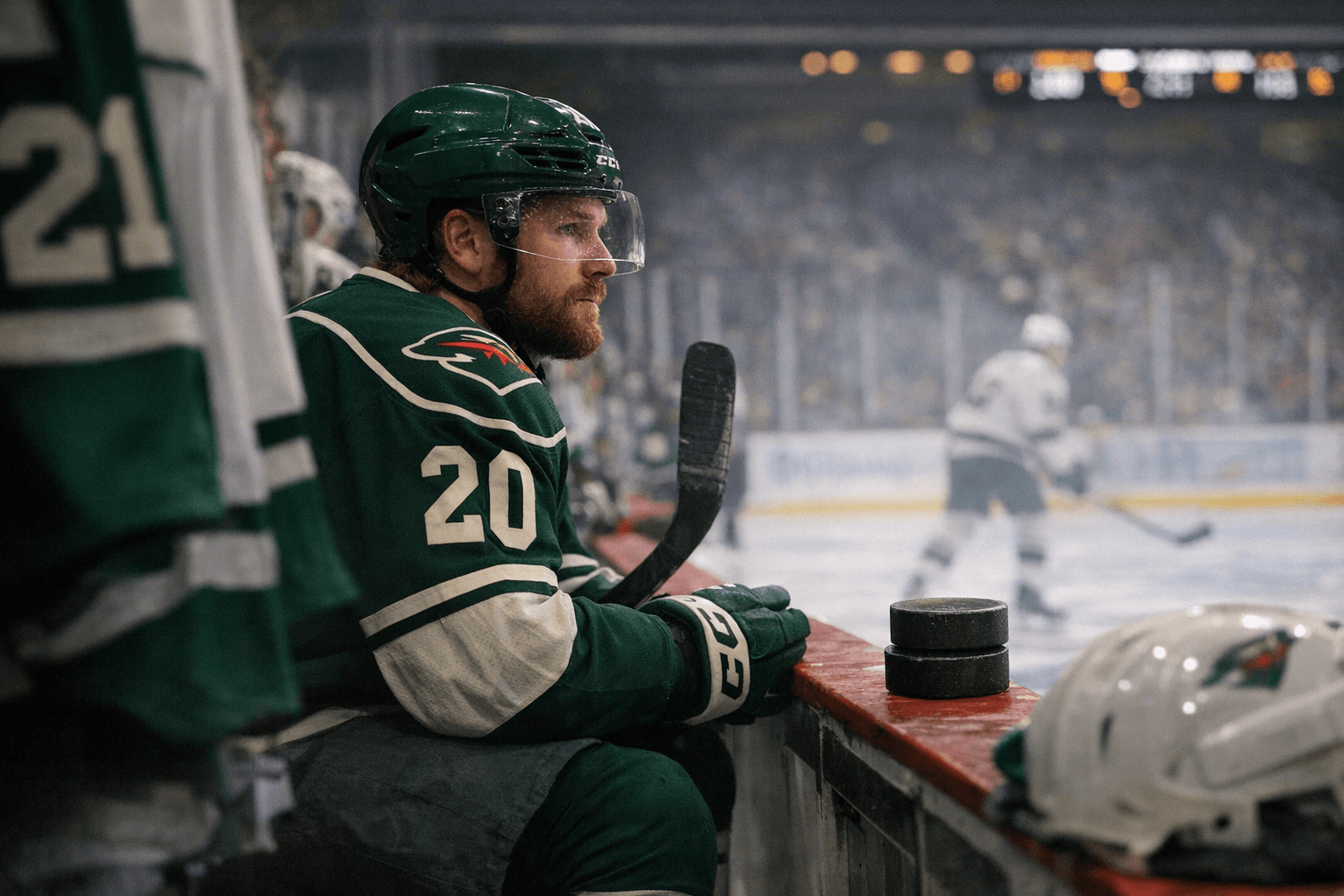
Jagger Joshua helps lead elite girls clinic in Toronto
Rochester Americans forward Jagger Joshua joins Angela James at an elite girls clinic in Toronto to promote inclusion and grow the game.
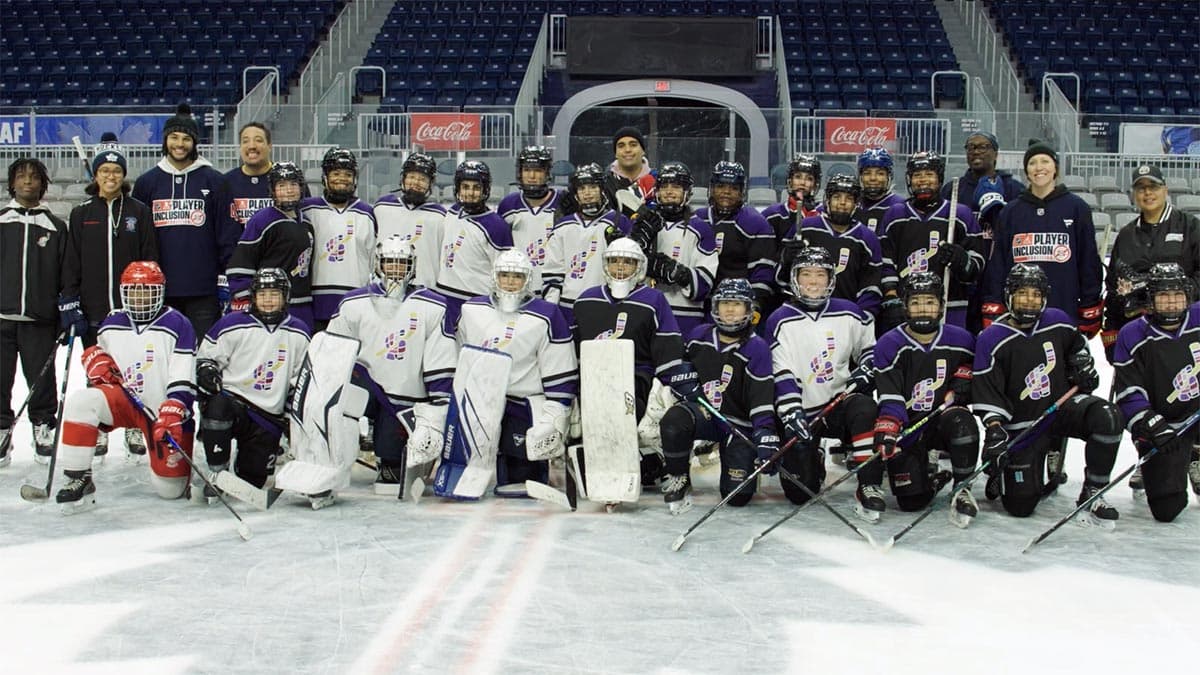
Rochester Americans forward Jagger Joshua is on the ice today at Coca-Cola Coliseum in Toronto as one of the on-ice guests and instructors for an elite girls special skills clinic led by Angela James. The event, organized by the NHL Player Inclusion Coalition in partnership with Hockey Equality, brings high-level coaching and visible role models to girls and players from underrepresented groups.
The clinic focuses on position-specific skill work, small-area games, and confidence-building drills designed to accelerate player development. Joshua and other instructors rotate through stations to provide individualized attention, demonstrate pro-level technique and break down components of skating, puck handling and game sense. For many participants, the clinic delivers access to instruction they might not otherwise receive and connects aspiring players directly with professionals from the pro ranks.
This is the kind of outreach the NHL Player Inclusion Coalition prioritizes: growing the game while making hockey more welcoming and accessible. Bringing AHL players like Joshua into the mix underscores a practical pathway between professional tiers and community youth hockey. AHL skaters often live and train in markets where grassroots programs operate, so their presence at clinics translates into tangible mentorship and clearer sightlines for players weighing next steps in their development.
For parents, coaches and local programs, events like this offer measurable benefits. Players leave with new drills to practice, direct feedback from pros, and an expanded network of contacts. Coaches can adapt the clinic drills to weekly practices, and program organizers can use participation metrics and player progress to justify additional ice time or sponsorships. Community organizers should note that partnerships between leagues and inclusion groups make funding and logistics more feasible, especially when marquee names and professional facilities are part of the plan.
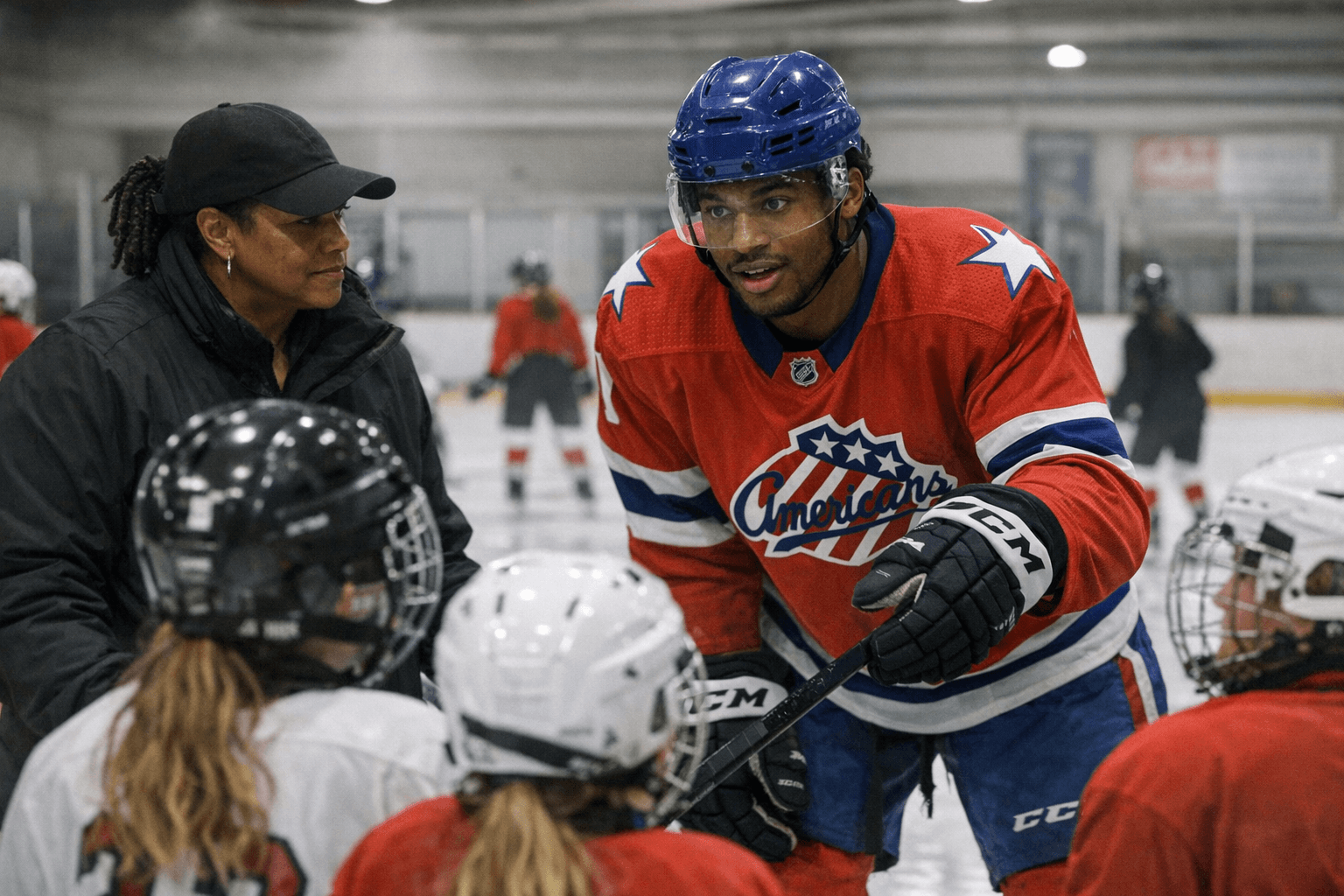
The clinic also aims to broaden exposure for girls hockey at a time when visibility matters. On-ice access to AHL and NHL-affiliated personnel helps normalize girls’ presence in elite environments and pushes back on access gaps that persist in some regions.
Today’s clinic represents more than a collection of drills; it’s a reminder that development happens off the scoresheet as much as on it. Expect more collaborative community events like this across the AHL-NHL ecosystem, and keep an eye on team community calendars for upcoming clinics and outreach opportunities.
Sources:
Know something we missed? Have a correction or additional information?
Submit a Tip