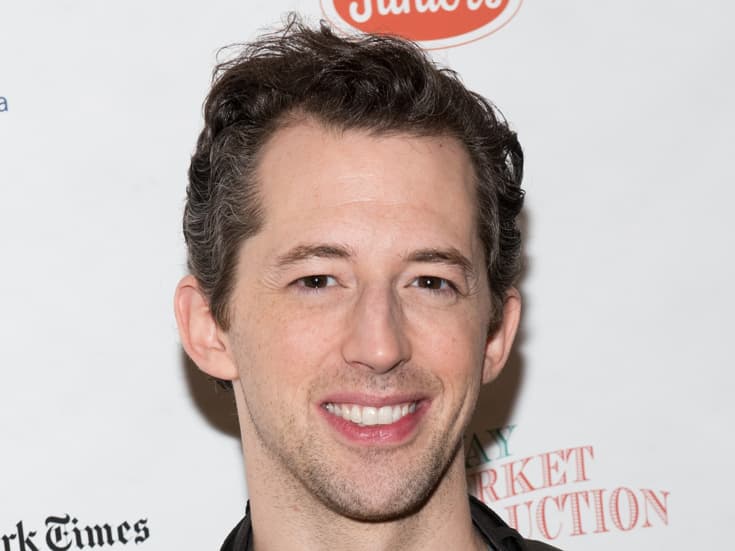
Jagger says politics should stay in small doses in rock songs
Jagger said he wants politics in rock only in "small doses," while Springsteen made his 2026 tour openly political, sharpening a split among legacy stars.
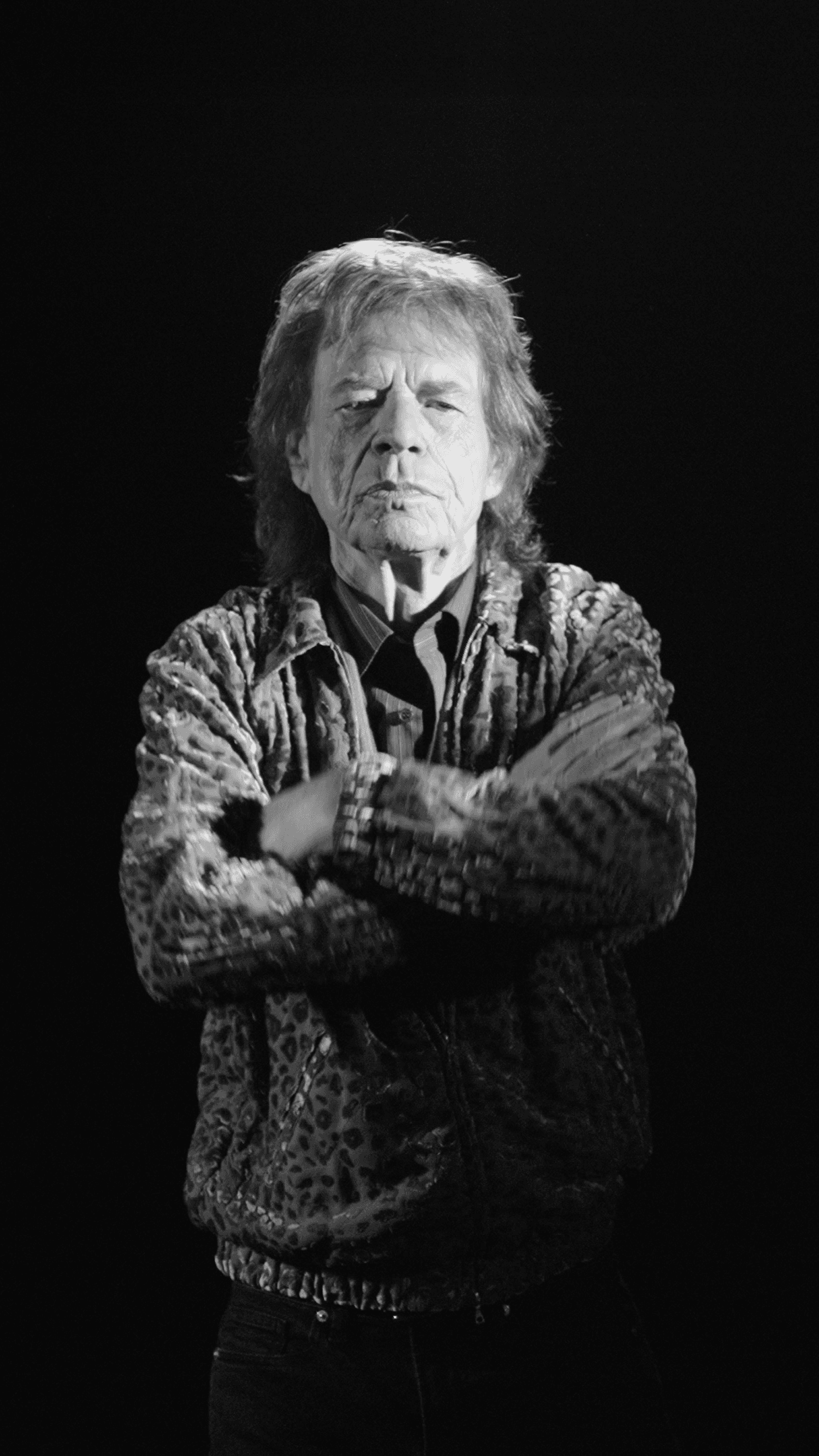
Mick Jagger said rock songs should carry politics only in “small doses” and that he does not want to “lecture” fans from the stage. In a July 11 New York Times Interview episode with David Marchese, the 82-year-old Rolling Stones frontman drew a clear line between entertaining a crowd and using a concert as a political platform.
Jagger’s comments landed at a moment when another rock icon is leaning the other way. Bruce Springsteen said in March that his 2026 tour would be “political and very topical,” and the opening night of his Minneapolis run in April was heavily political, with direct criticism of President Donald Trump. The contrast has sharpened an old divide in rock: whether a stadium show is a place for escape, or a place for public argument.
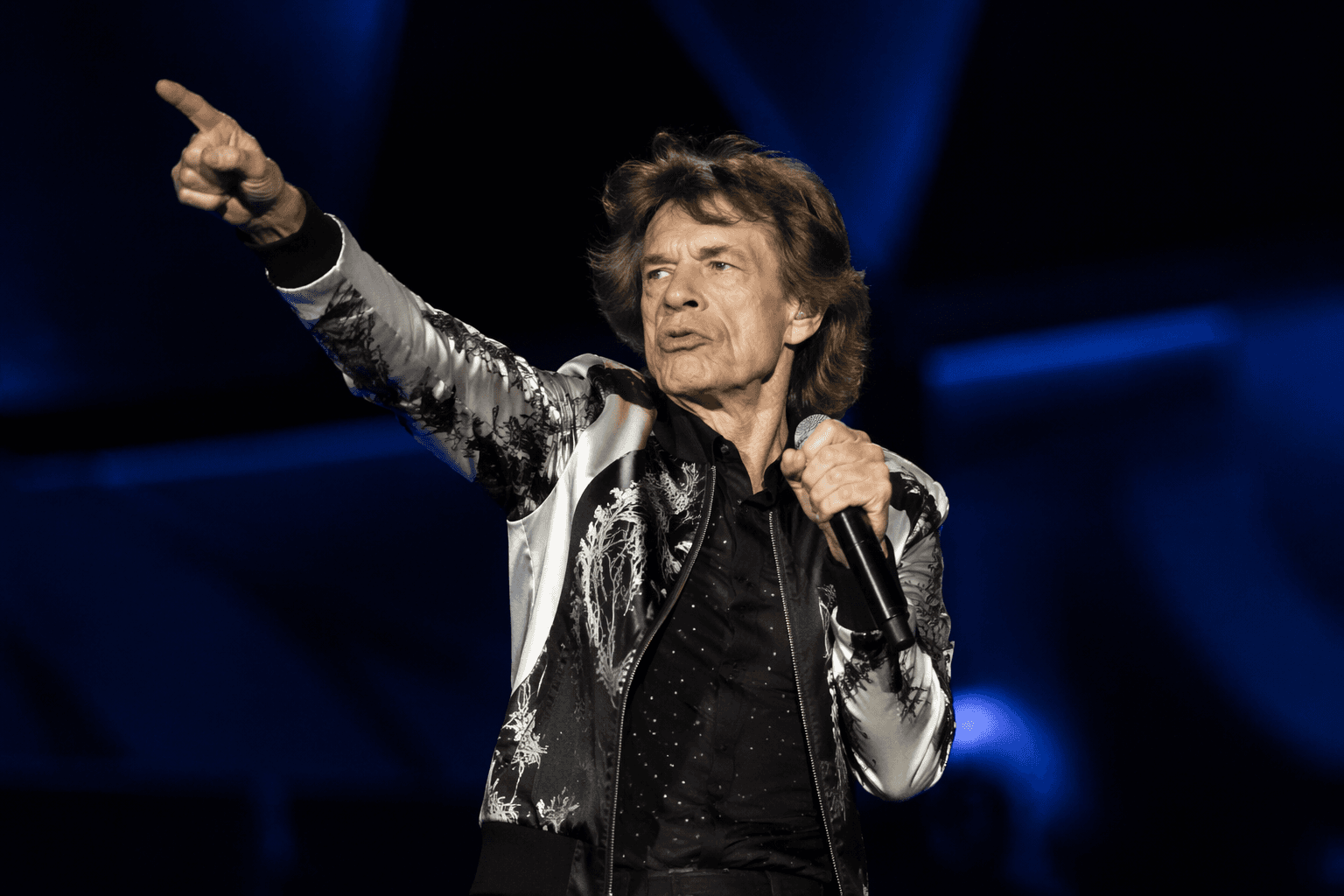
Jagger has not stayed entirely above politics himself. In May 2024, while performing at the New Orleans Jazz & Heritage Festival, he criticized Louisiana Gov. Jeff Landry from the stage, saying the state was being taken back to the “Stone Age.” Landry answered publicly, making the exchange part of the broader culture-war atmosphere around live music and celebrity speech.
The Rolling Stones have a long history of testing that boundary. Their 1968 song “Street Fighting Man” became one of the band’s best-known political records, shaped by anti-Vietnam War protests in London and elsewhere. That history makes Jagger’s recent insistence on restraint notable, not because the Stones have avoided politics, but because one of rock’s most visible frontmen is now arguing for limits.
That position fits a wider cultural shift among legacy artists, many of whom are navigating audiences that are more politically fragmented and more ready to punish a message that feels preachy. For some performers, that makes silence look like neutrality. For others, it is a branding choice, a generational instinct, or a way to keep a multidecade fan base from splitting along partisan lines. Jagger’s answer suggests he sees the stage as a place to spark, not sustain, political thought. Springsteen has chosen a different role entirely.
This article was produced by Prism’s automated news system from verified source data, official records, and press releases, then run through automated quality and moderation checks before publishing. The system is built and supervised by the people who set the standards it runs under. Read our full AI policy.
Did this article answer your question?