Jai Arrow retires immediately after Motor Neurone Disease diagnosis at 30
Jai Arrow’s immediate retirement puts a rare, devastating disease in the spotlight, after the 30-year-old was ruled out of training or playing again.

Jai Arrow’s career ended in an instant at 30, after the South Sydney Rabbitohs forward was diagnosed with motor neurone disease and told he was not medically cleared to train or play.
The Rabbitohs said Arrow had gone through months of testing and treatment before receiving the diagnosis. At the club’s Sydney facility, coach Wayne Bennett and chief executive Blake Solly fronted the announcement, while Arrow did not speak and had a written statement read on his behalf. Solly said Arrow would not be seen on the field again because of the diagnosis, but that his contribution to the club, the game and the community would not be forgotten.
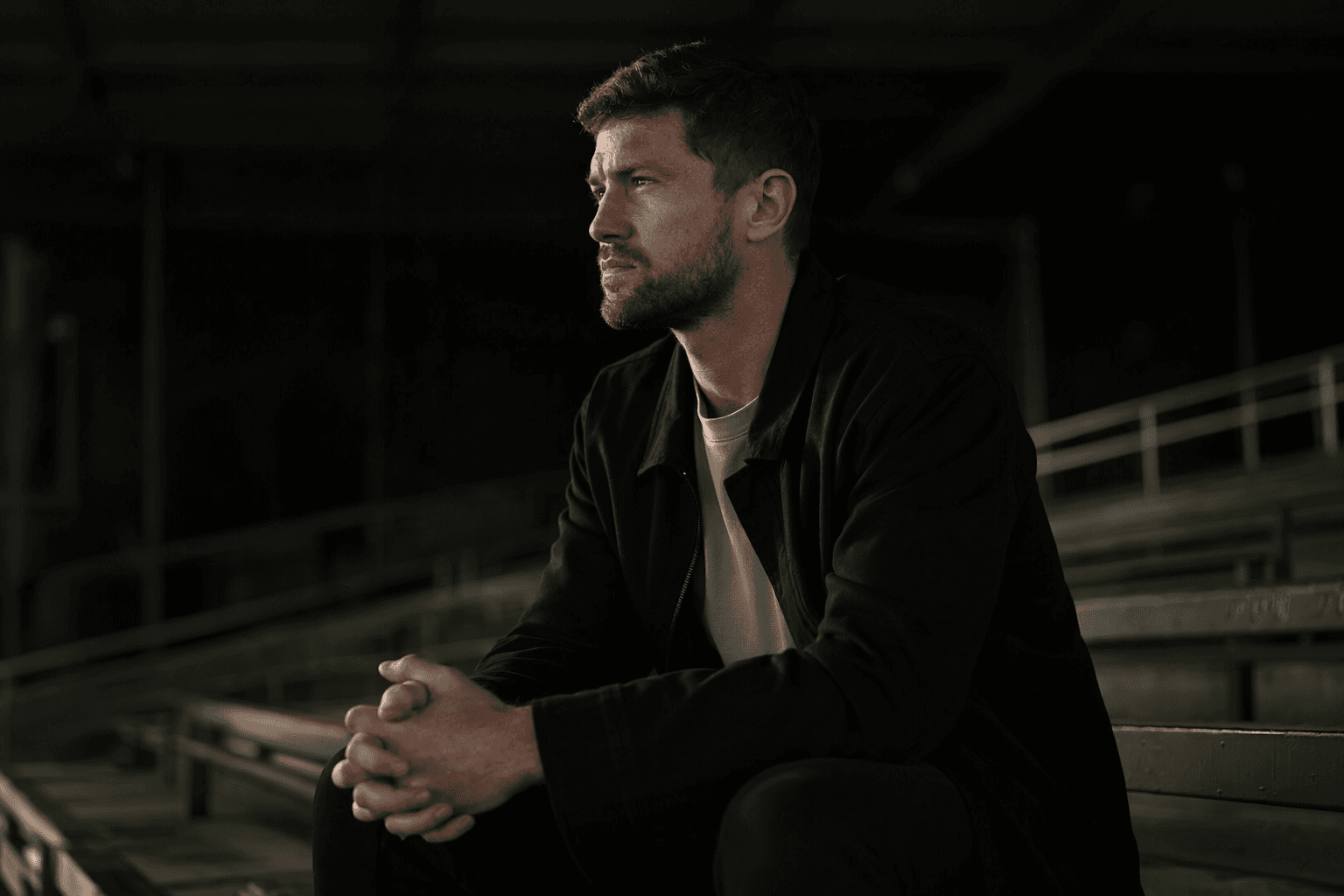
Arrow’s statement made clear how quickly the disease had taken hold of daily life. He said his symptoms had affected different parts of his everyday life and that further tests and specialist reviews were continuing. He asked for support, understanding and privacy as he focused on treatment and rehabilitation. For a player whose game was built on contact, endurance and pain tolerance, the diagnosis has shut the door on a decade-long NRL career before the final chapter could be written on the field.
Arrow played 178 NRL games after making his first-grade debut in 2016, starting with Brisbane before moving to Gold Coast and then South Sydney. He also represented Queensland in 12 State of Origin matches between 2018 and 2023. Along the way, he became one of the competition’s most respected forwards and was recognised repeatedly inside the Rabbitohs system, winning the George Piggins Medal in 2025, the Bob McCarthy Clubperson of the Year Award and the Souths Cares Award in 2025, and the Burrow Appreciation Award in 2024. He was also a finalist for the NRL’s Ken Stephen Medal in 2025 for his community work with Souths Cares, Whatability and Vinnies Vans.
Arrow’s retirement lands in the shadow of a disease that remains rare but brutally progressive. Motor neurone disease damages the nerve cells that control muscle movement and can affect walking, talking, swallowing, eating and breathing. The Australian Institute of Health and Welfare estimated 2,800 Australians were living with MND in 2025, with 781 deaths recorded in 2023 and 2,100 hospitalisations in 2023-24. MND Australia says average life expectancy from diagnosis is about 27 months and estimated 2,752 Australians were living with the disease in 2025, rising to a projected 4,300 by 2050.
The rugby league world has faced this before. Former Queensland forward Carl Webb died in 2023 after being diagnosed in 2020 at 39, and former England star Rob Burrow died in 2024 after a five-year battle with the disease. Arrow’s case adds another painful reminder that when MND strikes a player in their prime, clubs and leagues are left to manage not just an abrupt end to a career, but a prolonged fight for dignity, support and care.
Know something we missed? Have a correction or additional information?
Submit a Tip