Ja'Kobe Tharp breaks 110m hurdles world record in heats
Ja'Kobe Tharp’s 12.75-second 110m hurdles run in Eugene broke a 13-year-old world record and delivered the first men’s world mark at NCAA championships since 1976.
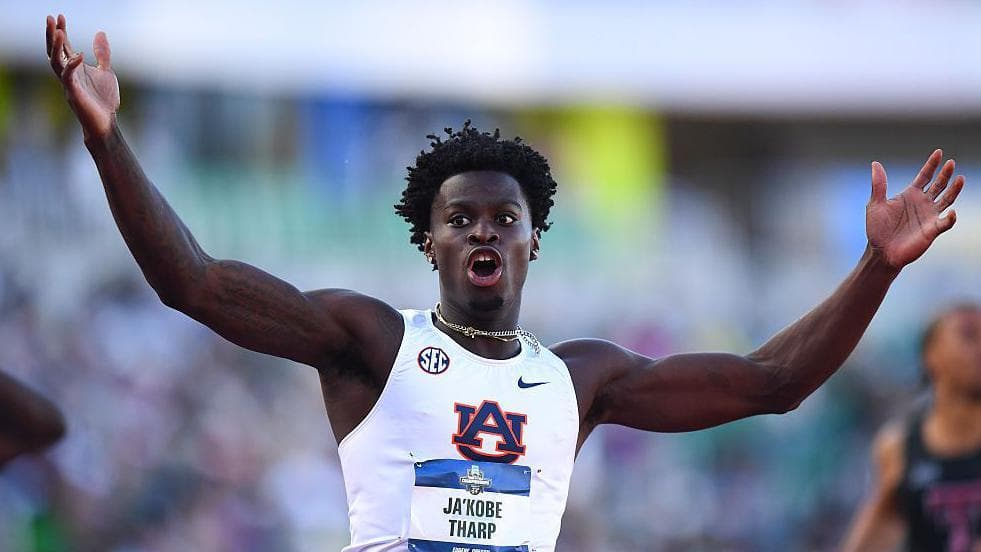
Ja'Kobe Tharp turned the NCAA championships into the sport’s loudest stage on Wednesday, running 12.75 seconds in the 110-meter hurdles to break Aries Merritt’s world record. The Auburn hurdler did it at Hayward Field in Eugene, Oregon, and became the first man to set a world record at the NCAA championships since Dwight Stones in the high jump in 1976.
Tharp, a 20-year-old Auburn junior from Auburn, Alabama, entered the meet as the defending NCAA champion in the event, but his run changed the conversation in a matter of seconds. The performance pushed him from collegiate star to global headline and reinforced how often the NCAA now produces marks that stand up on the world stage.
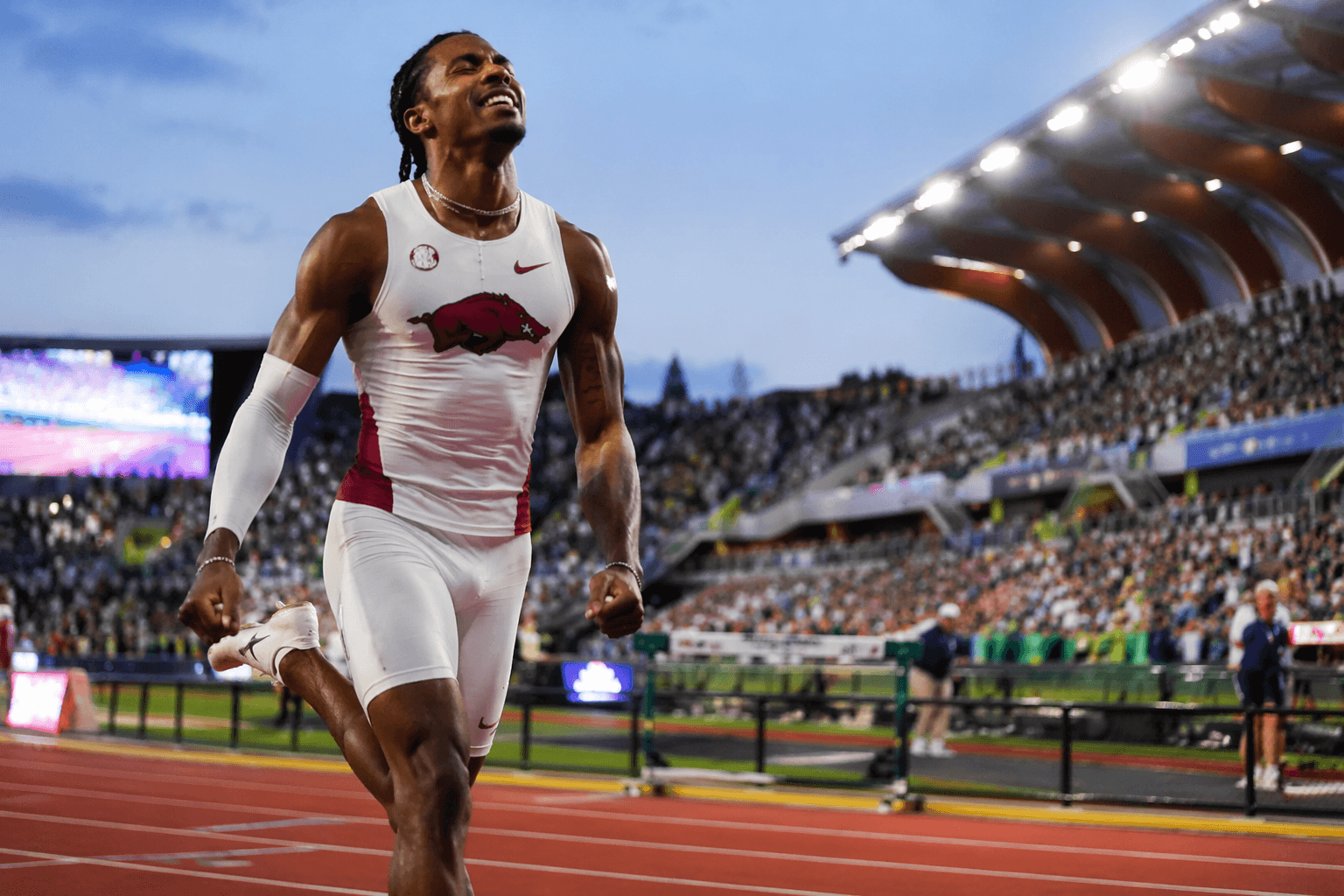
The time carried added weight because it came with a legal +1.0 meters per second tailwind and erased a record that had stood since September 2012, when Merritt ran 12.80 in Brussels. Tharp also cleared Grant Holloway’s collegiate standard of 12.98 from 2019, showing that the Auburn runner was not merely winning a race but resetting the ceiling for the event at both the college and world levels.
For NCAA track, the result was an institutional statement as much as an individual one. A semifinal heat produced the fastest 110-meter hurdles race ever recorded, and it did so at the same championships that have long served as a pipeline to professional and international competition. Tharp’s run now stands as proof that the college circuit remains an elite proving ground, capable of producing world records, not just future finalists.
This article was produced by Prism’s automated news system from verified source data, official records, and press releases, then run through automated quality and moderation checks before publishing. The system is built and supervised by the people who set the standards it runs under. Read our full AI policy.
Did this article answer your question?

.jpg&w=1920&q=75)
