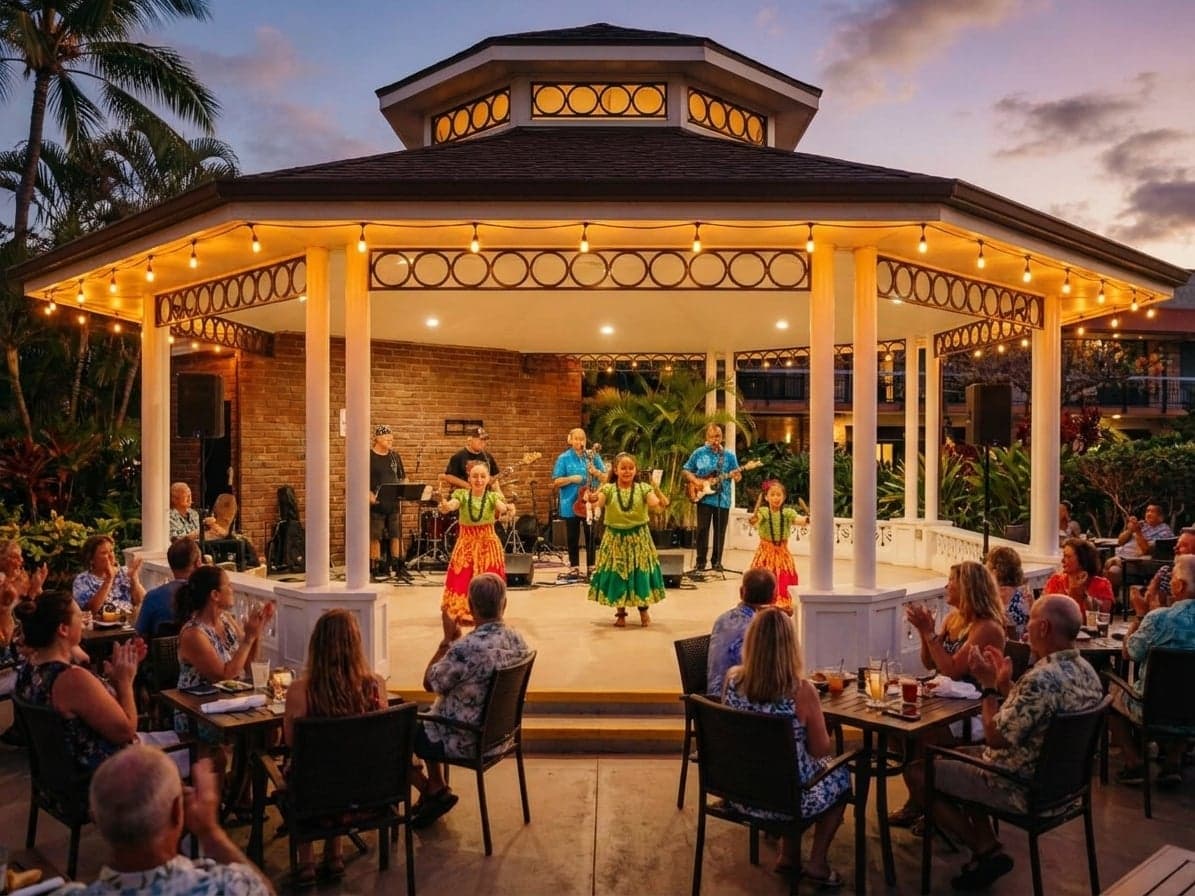
Jan. 31 count: Hawaiʻi Island volunteers spot 355 humpbacks; 1,954 statewide
Volunteers counted 355 humpbacks from Hawaiʻi Island shores on Jan. 31, part of a coordinated statewide tally that recorded 1,954 whales total.
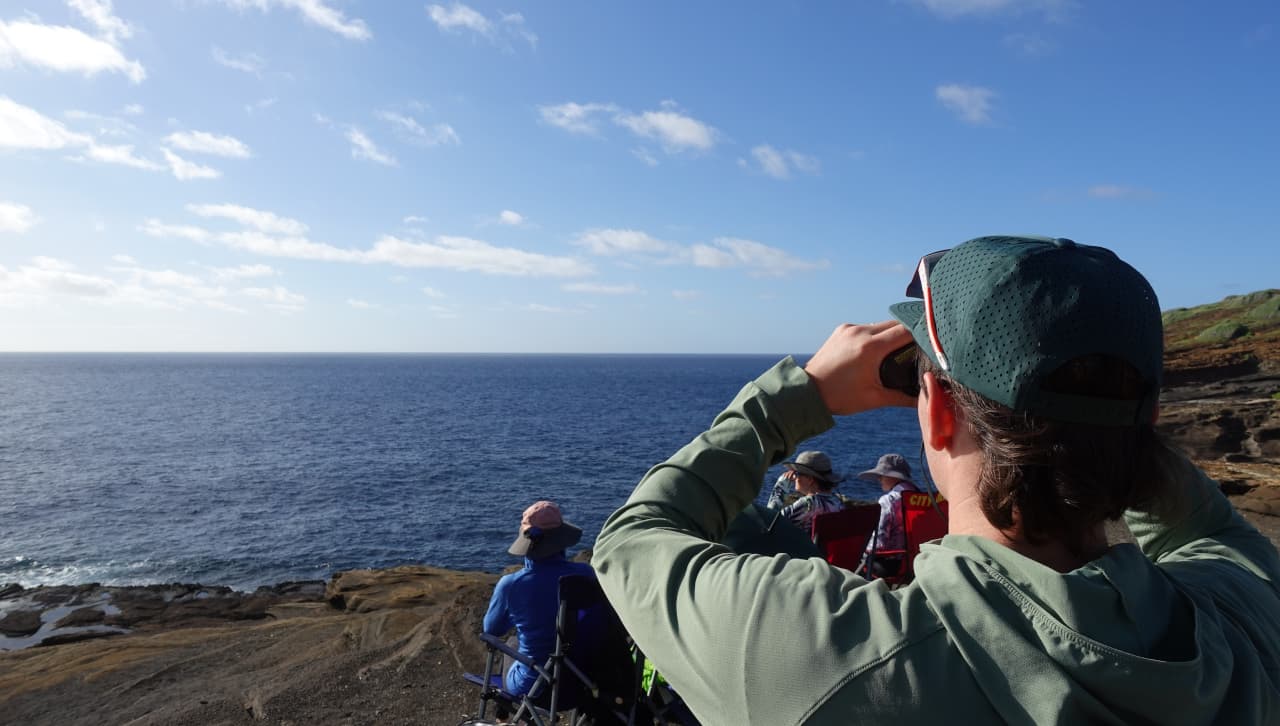
Volunteers counted 355 koholā (humpback whales) from Hawaiʻi Island shorelines on Jan. 31 as part of a combined Sanctuary Ocean Count and Pacific Whale Foundation Great Whale Count that recorded 1,954 humpbacks statewide that day. The coordinated shore-based survey offers both a community science snapshot of whale presence and a practical signal for shoreline businesses and residents who rely on coastal recreation and tourism.
The counts are a joint effort between the Hawaiian Islands Humpback Whale National Marine Sanctuary’s Sanctuary Ocean Count (SOC) and the Pacific Whale Foundation’s annual Great Whale Count (GWC). SOC provides scheduled snapshots of sightings from Kaua‘i, O‘ahu and the Big Island and was set for Jan. 31, Feb. 28 and March 28 during the 2025–26 season. The Pacific Whale Foundation conducts the Maui-based Great Whale Count on the same days and celebrates its 31st Maui count year in 2026.
The Pacific Whale Foundation reported in a Sept. 24 Facebook post that it received multiple reports of koholā already being spotted Sept. 21 in waters off Maui, including an “impressive photo of one of the giants breaching.” The foundation’s post added, “What a special occasion, to spot the first whale of the season, plus breaching!” and, “This brings a bright look into the 2026 Maui Nui whale season, and much excitement to the community!”
These shore-based tallies serve several local functions. They promote public awareness of humpbacks and shore-based whale-watching opportunities, feed community engagement in conservation, and provide preliminary data points that resource managers and local businesses can use to anticipate visitor interest. For Big Island operators who offer eco-tours, viewing platforms and hospitality services, higher inshore counts can translate into stronger winter-season bookings and shore-activity demand; conversely, counts help managers monitor whether whale presence is concentrated near populated shorelines, which can influence local advisories and outreach.
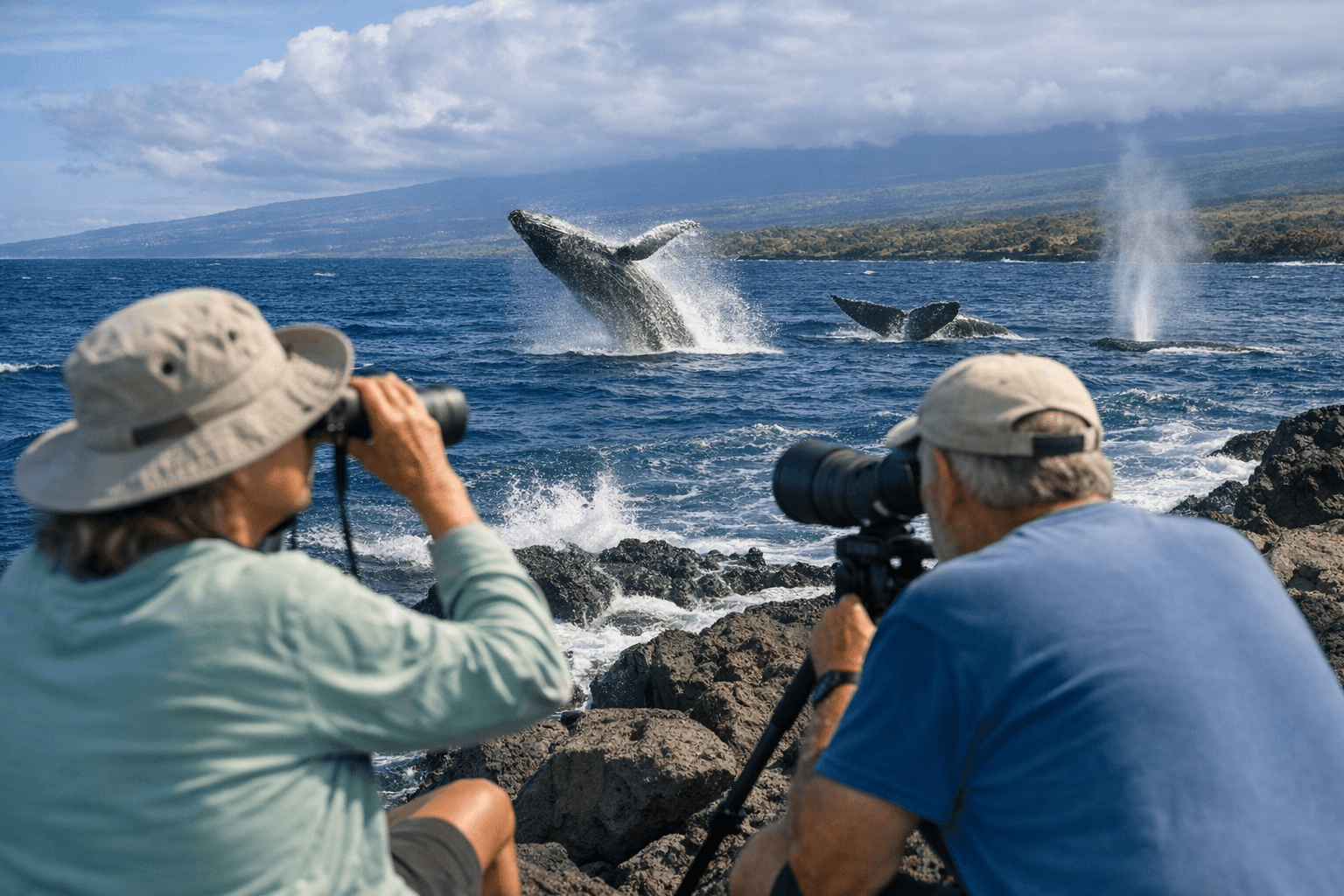
From a policy and long-term trend perspective, repeated, consistent counts across seasons help build an informal index of relative humpback presence. While the Jan. 31 figures do not replace rigorous scientific population estimates, they complement formal research by tracking seasonal timing and distribution from the shore. The SOC will mark its 30th anniversary in 2026, underscoring the value of long-running community-collected data for managers and policymakers tasked with balancing marine protection and coastal economic activity.
Residents interested in participating can prepare for upcoming SOC and GWC dates; the Pacific Whale Foundation advises checking on or after Dec. 15 for volunteer sign-up information, and the sanctuary has invited the public to check its website at the beginning of 2026 for anniversary participation details. News reporter Nathan Christophel contributed to this story.
Know something we missed? Have a correction or additional information?
Submit a Tip