Jane Schoenbrun reimagines slasher horror with queer Cannes premiere
At Cannes, Jane Schoenbrun turned slashers inside out, pairing queer desire and body horror with a reboot story led by Hannah Einbinder and Gillian Anderson.

Jane Schoenbrun arrived at Cannes with a slasher that does not just revive an old genre, it argues with it. Teenage Sex and Death at Camp Miasma opened Un Certain Regard at the 79th Cannes Film Festival as a queer fantasy slasher, using the familiar machinery of sequels, final girls and masked violence to confront the genre’s long history of linking gender nonconformity with madness and danger.
The film centers on a young director, played by Hannah Einbinder, who takes over the Camp Miasma franchise after several sloppy sequels have worn it down. When she visits the reclusive star of the first film, played by Gillian Anderson, the two women are pulled into a blood-soaked world of desire, fear and delirium. The setup gives Schoenbrun a way to turn reboot culture into something more intimate, with the franchise itself becoming a site of shame, longing and self-reinvention.
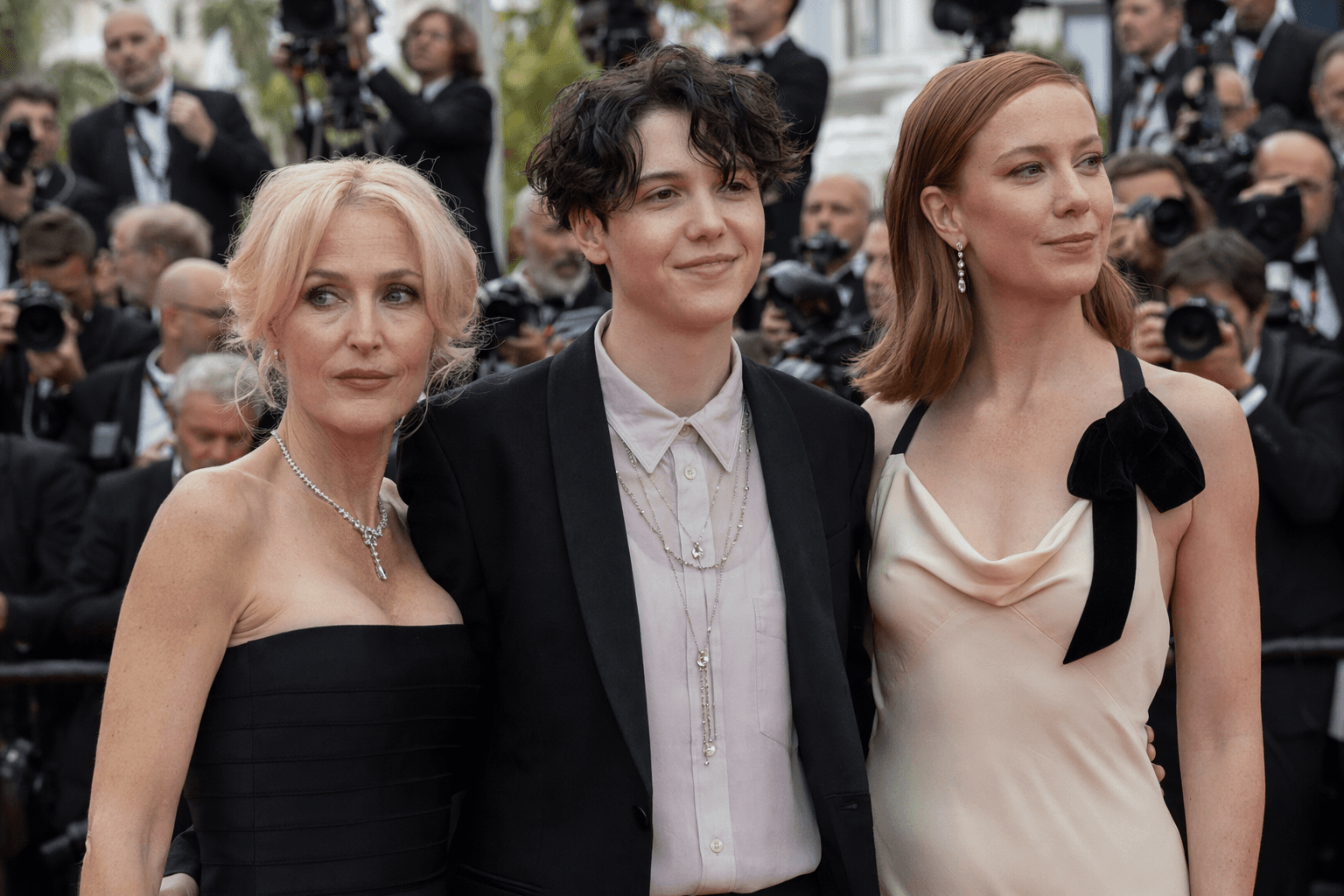
That tension is what makes the film more than a Cannes curiosity. Schoenbrun has said their trans experience shaped how they responded to horror titles such as Psycho and Silence of the Lambs, films often discussed for their transphobic imagery or coding. Teenage Sex and Death at Camp Miasma takes that critique and folds it into the story’s emotional core, where sex, body image and embarrassment become as threatening and as revealing as any slasher killer. The result is a film that uses horror to challenge horror, while still preserving the thrill and absurdity that keep audiences coming back.
The Cannes setting gave the project immediate visibility, and the reaction was strong enough to match the film’s ambitions. Reports from the festival described a standing ovation of roughly six to nine minutes. Another review called it a psychedelic slasher that subversively reclaims the genre from the traditional male gaze, underscoring how Schoenbrun’s work is being read as both genre cinema and cultural intervention.
MUBI has already lined up a U.S. theatrical release for August 7, 2026, and is taking the film on a North American preview tour ahead of that rollout. The strategy suggests confidence that the movie can move beyond festival conversation and into a wider audience hungry for horror that reflects queer experience without flattening it into metaphor.
Schoenbrun’s Cannes spotlight follows the attention around I Saw the TV Glow and the earlier festival break from We’re All Going to the World’s Fair, which premiered at Sundance in 2021. Cannes materials also highlighted Schoenbrun’s blue-and-pink visual palette and linked the work to Euphoria and Gregg Araki, placing the film inside a larger conversation about who gets to reshape legacy genres and whose bodies those genres have historically punished.
This article was produced by Prism’s automated news system from verified source data, official records, and press releases, then run through automated quality and moderation checks before publishing. The system is built and supervised by the people who set the standards it runs under. Read our full AI policy.
Did this article answer your question?