January Is Perfect to Start Woodturning: Small Classes, Lathe Time, Safety
The Woodturning School urged new makers to start woodturning in January, highlighting small classes, extra lathe time, and a focus on safety and sharpening to build core skills.
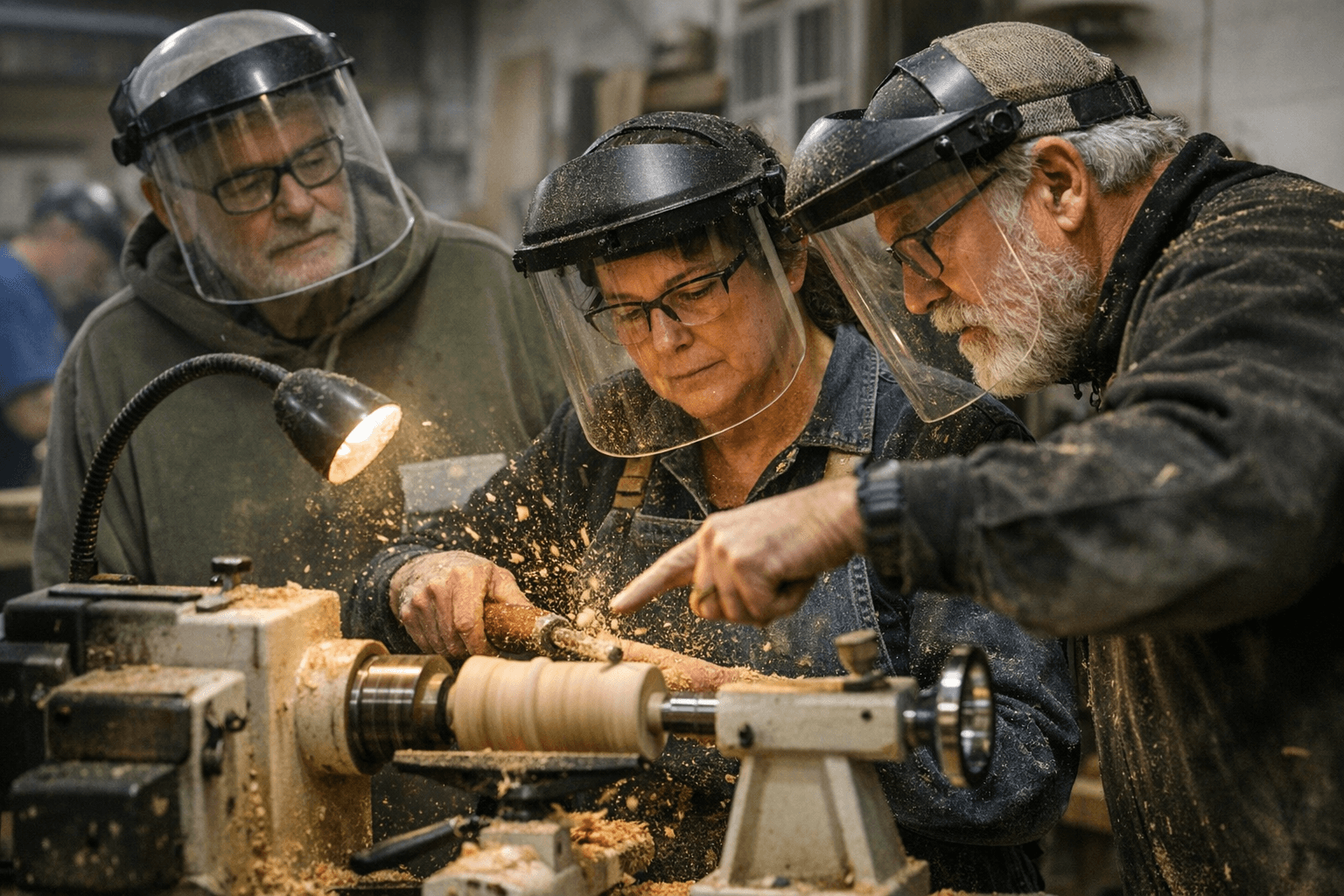
January's slow calendars and fresh new-year resolve make it an ideal month to learn woodturning, The Woodturning School argued in a January 20 post titled "The Gift of Beginning." The school said small, focused classes and scheduled lathe time help beginners build foundational skills safely and with confidence.
The post outlines a teaching approach built around limited-size sessions that give instructors more one-on-one time with students. Classroom emphasis is on tool control, sharpening fundamentals, and finishing techniques, with hands-on lathe time presented as the primary vehicle for learning. The school highlighted a structured progression of coursework: beginner classes that introduce basics, intermediate sessions that expand technique, and project classes that let students apply skills to real pieces.
For local turners, the practical upside is immediate. January schedules often have more open slots, so small classes mean faster access to bench time and closer instructor feedback. That arrangement reduces the common beginner problems of rushed demonstrations and limited practice time, and it helps newcomers develop consistent tool angles, steady cutting strokes, and safe lathe habits before moving to more advanced work.
Safety and sharpening are presented as the foundation of an enjoyable start. The school stresses repeated, supervised lathe practice paired with sharpening drills so students learn to keep tools cutting well and to control cuts predictably. That focus shortens the learning curve for common tasks such as producing clean beads and smooth transitions, and it reduces the likelihood of trips to the bandage kit.
The announcement also promoted upcoming offerings across the beginner-to-project progression and encouraged early registration because session sizes are capped. The combination of focused curriculum and limited enrollment is intended to produce measurable progress in a short series of classes, rather than a scattershot introduction that leaves gaps in technique.
For readers ready to start, January presents a practical window: more available dates, smaller cohorts, and a curriculum that emphasizes the core habits that matter most on the lathe. Expect concentrated lathe time, deliberate sharpening practice, and instructor-led finishing techniques to form the backbone of first courses. If you want structured progress and closer coaching as you turn your first bowls or spindles, the school's January offerings aim to deliver that lift-off.
Know something we missed? Have a correction or additional information?
Submit a Tip