January wind event disrupted travel, raised wildfire risk in Albany County
High wind warnings on Jan. 15-16 produced 30-80 mph gusts, creating dangerous travel and elevated wildfire risk for Albany County residents.
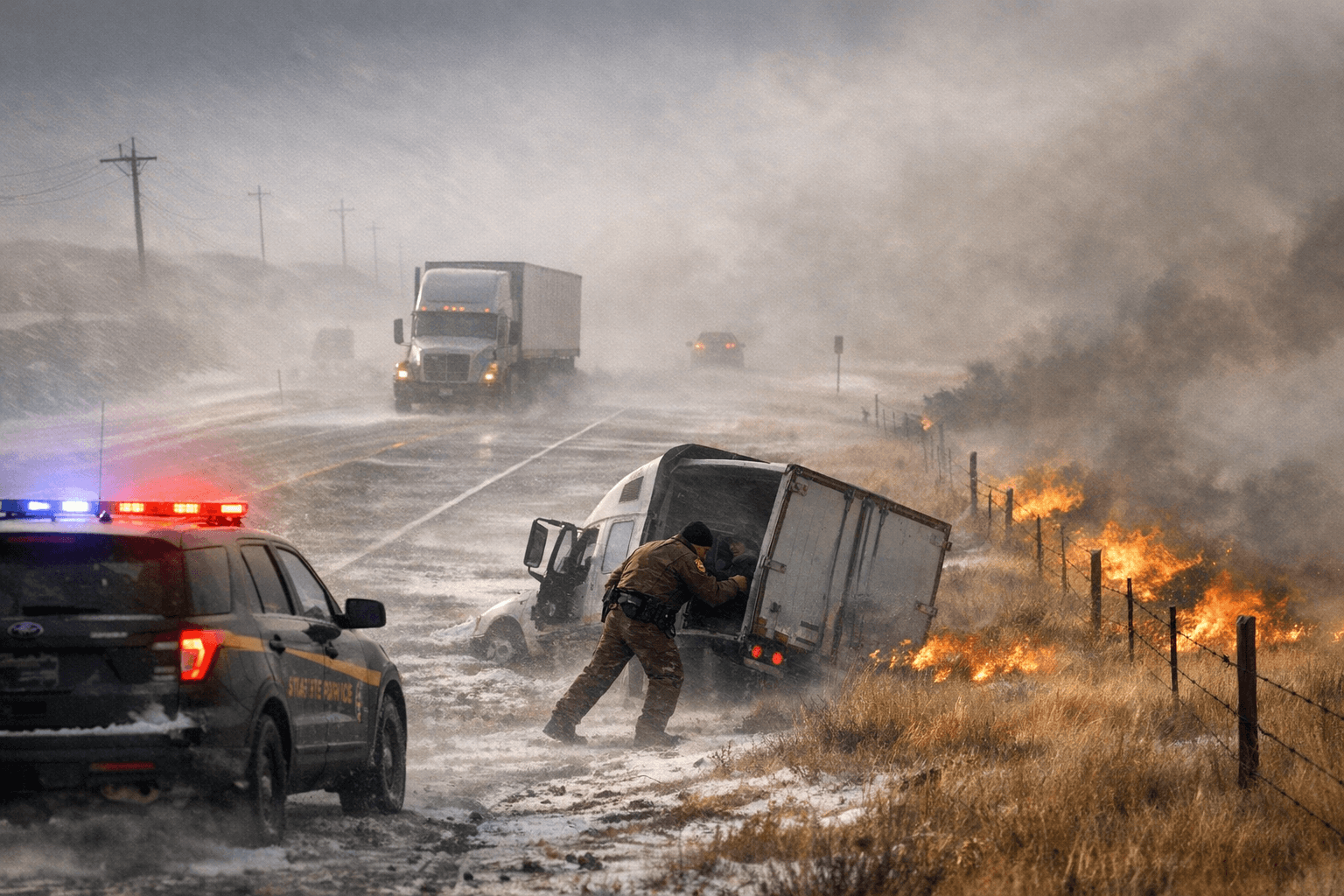
The National Weather Service in Cheyenne issued high wind warnings for parts of southeast Wyoming that affected Albany County beginning the evening of Jan. 15 and continuing into Jan. 16, 2026. Forecasts called for sustained northwest winds in the 30s to 50s mph range with higher gusts of 50 to 80 mph on ridgetops and exposed corridors, a combination that produced hazardous travel conditions across I-80, the Laramie Valley and nearby foothills.
The NWS warning highlighted two primary hazards: dangerous travel for all motorists and an elevated risk of wildfire spread where fuels remained dry. Forecasters specifically urged drivers to consult local forecasts and WYDOT 511 before traveling, allow extra time, and avoid driving high-profile vehicles across exposed sections of I-80 and other open corridors. The Cheyenne forecast page was updated Jan. 15 to reflect those warnings.
The event tested local preparedness systems and exposed recurring policy and infrastructure questions for Albany County. High-profile travel corridors such as I-80 are critical for freight and commuter traffic, and sustained high winds challenge both roadway safety and the ability of WYDOT and local agencies to keep lanes open. Emergency management and road crews face difficult tradeoffs during such events: closing open corridors reduces crash risk but disrupts commerce and local travel. That balance underscores the need for clear local response plans and timely public information.
The wind-driven increase in wildfire spread potential also raises land management concerns. Even in midwinter, dry fuels in exposed areas can allow fire to move rapidly if sparked. Local fire districts, county commissioners and state land managers share responsibility for fuel management, interagency communication and public advisories that reduce both ignition sources and community exposure.
For Albany County residents, the immediate takeaway is practical. Motorists should check the latest NWS Cheyenne updates and WYDOT 511 before travel, especially on I-80 and routes crossing ridgetops and open corridors. Households and ranch operations should review emergency plans, secure outdoor structures and be prepared for possible power impacts during high wind episodes.
Looking ahead, the incident highlights policy choices county leaders will need to prioritize: investing in resilient infrastructure, maintaining clear communication channels with state agencies, and supporting fuel reduction where appropriate. For now, residents should stay informed via official NWS and WYDOT channels and raise preparedness and mitigation questions with county officials as part of ongoing civic engagement.
Sources:
Know something we missed? Have a correction or additional information?
Submit a Tip