Japan antitrust watchdog raids Microsoft Japan over Azure contract practices
Japan's Fair Trade Commission inspected Microsoft Japan's Tokyo offices Feb 25-26 to probe whether Azure contract terms limited customers from using rival cloud services.
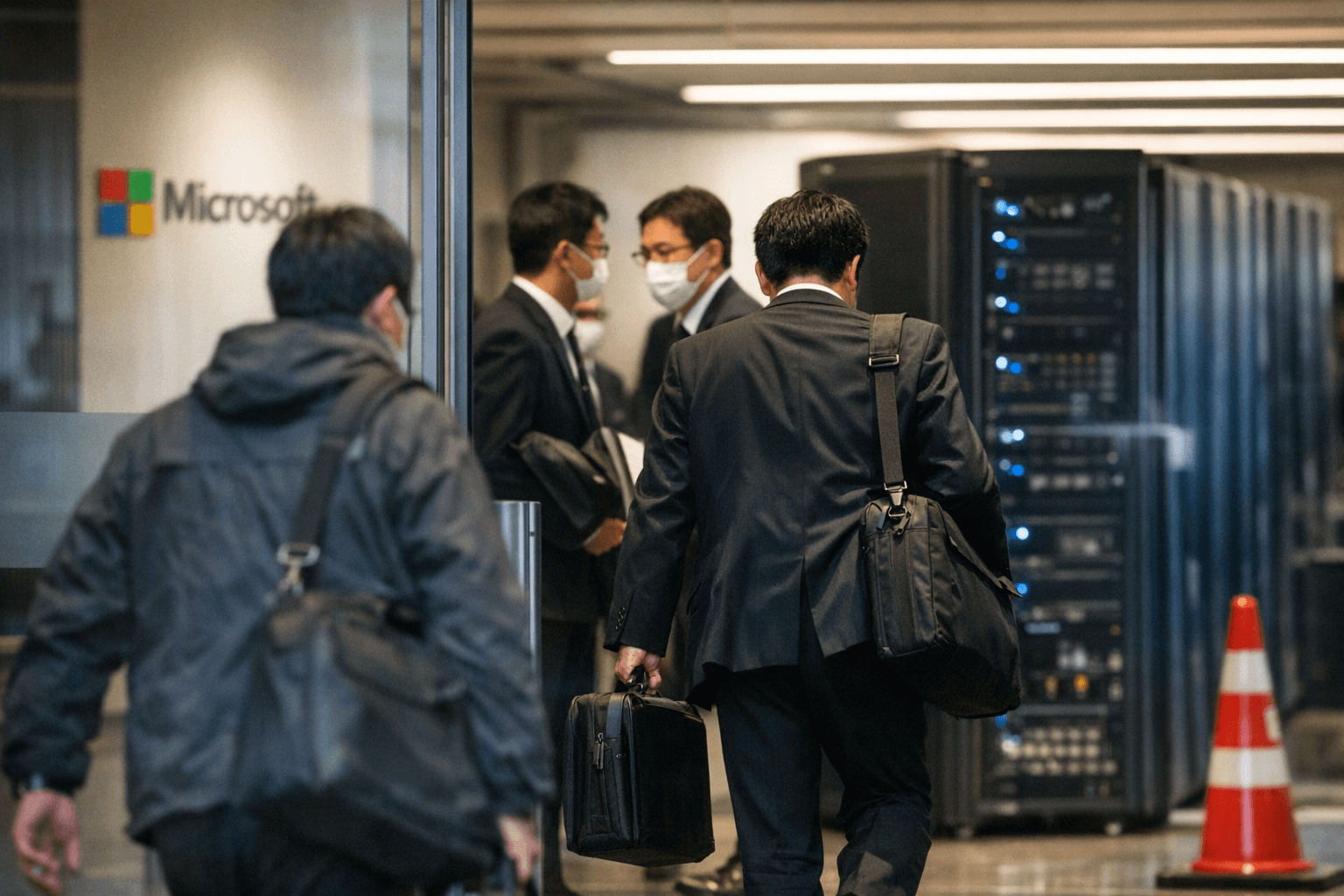
Japan's Fair Trade Commission carried out on-site inspections of Microsoft Japan's Tokyo offices on Feb. 25-26 as part of a formal probe into whether the company used contract terms or other practices to limit customers of its Microsoft Azure cloud platform from using rival cloud services. The agency's intervention signals a direct regulatory challenge to major cloud vendors' commercial practices and could lead to orders to change contracts or corrective measures under Japan's Antimonopoly Act.
Investigators reviewed corporate records and customer agreements to assess whether provisions in Azure contracts hindered customers from shifting workloads, using competing infrastructure, or negotiating on price and interoperability. The JFTC's action follows growing scrutiny worldwide of how dominant cloud providers structure customer terms, procurement relationships, and technical integration to shape markets. For Japanese enterprises and public agencies that increasingly rely on cloud services for core operations, the inspection raises immediate questions about vendor lock-in, service portability, and bargaining leverage in future contracts.
The JFTC has legal authority to compel document production, seek testimony, and issue recommendations or orders if it finds unfair trade practices. Remedies under the Antimonopoly Act may include cease-and-desist directives and measures designed to restore competitive conditions. While the inspection itself does not constitute a finding of wrongdoing, it can accelerate negotiations between vendors and large customers, prompt contract revisions, and spur commercial rivals to press for more transparent terms.
For corporate IT buyers, the probe underscores the policy trade-offs between deep technical integration with a single cloud provider and the benefits of a multicloud strategy. Firms that have committed substantial workloads to a single platform face potential disruption if regulators require rapid contract changes or if new limitations on vendor conduct alter pricing and service guarantees. Smaller customers and startups may gain leverage if the JFTC's scrutiny results in clearer portability conditions or limits on restrictive clauses, improving market entry opportunities for alternative providers.
The inspection also has institutional significance. It positions the JFTC alongside other competition authorities that have increasingly focused on platform-level power in cloud computing, enterprise software, and digital infrastructure. Japan's regulator must balance enforcement with policy goals that include supporting domestic digital transformation and ensuring secure, resilient public-sector cloud deployments. Any JFTC action will be watched closely by procurement officials, enterprise customers, and global cloud providers for its potential to set precedents on contract language, interoperability requirements, and compliance obligations.
The short-term market effect is likely to be cautious contract negotiations and heightened attention from corporate counsel and procurement teams. Cloud vendors may temporarily delay aggressive bundling or introduce clearer exit terms to reduce regulatory risk. Over the medium term, the probe could prompt legislative or administrative clarifications on data portability, interoperability standards, and public procurement rules governing cloud services in Japan.
The JFTC's investigation remains ongoing. Its findings, and any legal or administrative steps that follow, will determine whether the inspection leads to specific remedies or broader changes in how cloud contracts are written and enforced in Japan's rapidly evolving digital economy.
This article was produced by Prism’s automated news system from verified source data, official records, and press releases, then run through automated quality and moderation checks before publishing. The system is built and supervised by the people who set the standards it runs under. Read our full AI policy.
Did this article answer your question?