Japan Fires Missile in Rare Drill with U.S., Philippines, Australia
Japan fired a Type 88 missile in the Philippines for the first time, signaling a sharper military role in a growing coalition near the South China Sea.
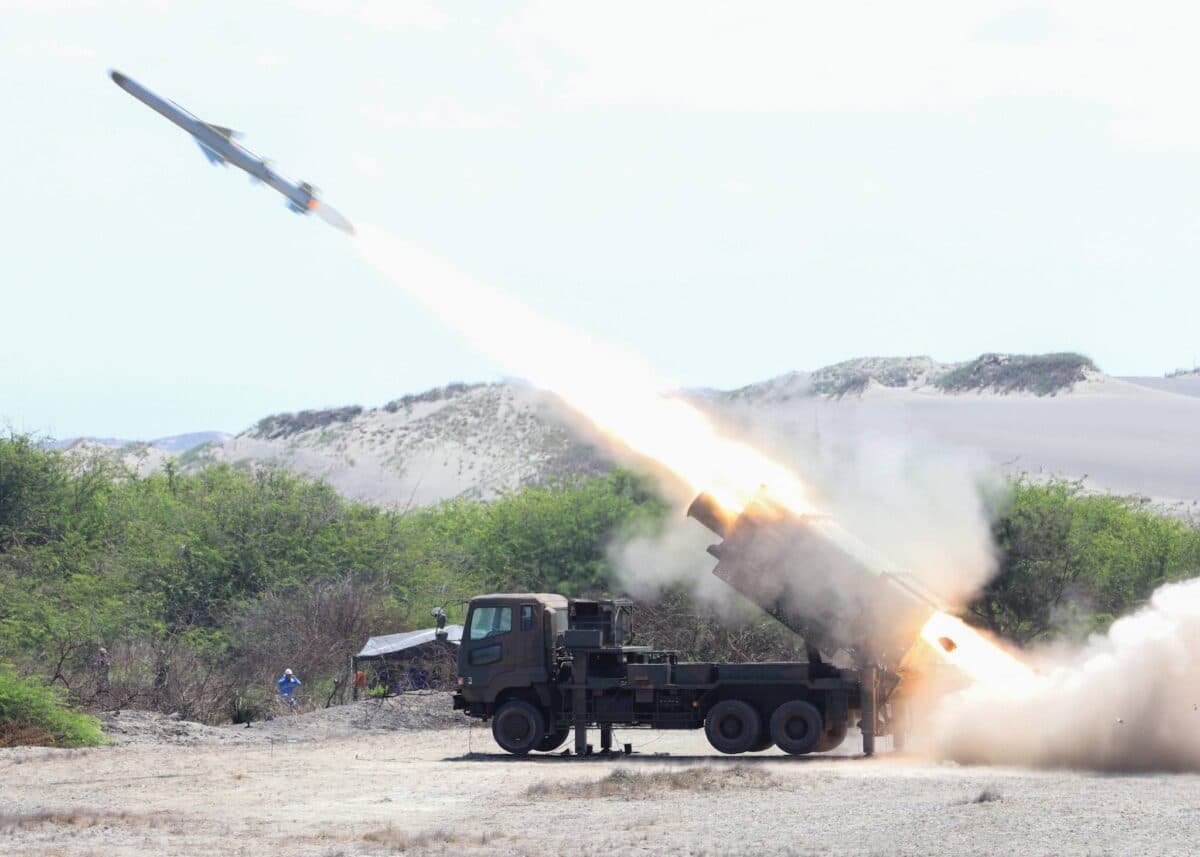
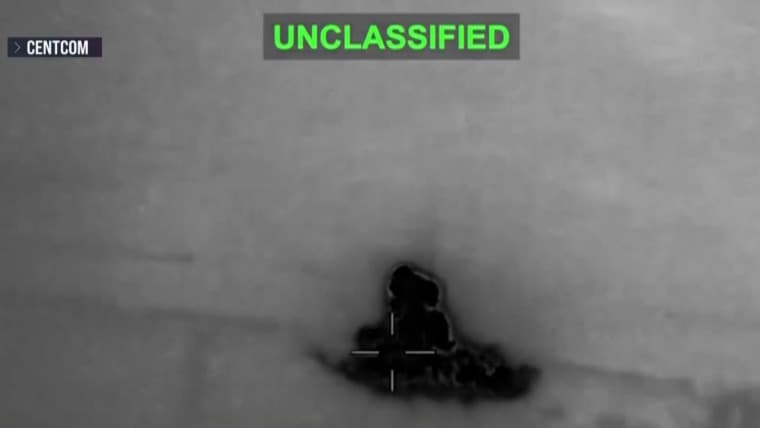
Japan crossed a line it had long avoided. Its Self-Defense Forces fired a Type 88 anti-ship missile on Philippine soil for the first time, striking a decommissioned Philippine Navy ship in a live-fire drill that placed Tokyo more visibly inside the regional security contest around the South China Sea.
Defense Minister Shinjiro Koizumi and Philippine Defense Secretary Gilberto Teodoro watched the launch in Ilocos Norte, where the missile hit the former BRP Quezon, also identified as PS-20. Philippine officials said the firing took place about 75 kilometers off Paoay, in waters facing the disputed sea. Japan’s defense ministry said the exercise marked the first-ever live-fire of the JSDF Type 88 surface-to-ship missile in the Philippines.
The drill unfolded inside Balikatan 2026, the 41st iteration of the annual U.S.-Philippine exercise, which runs from April 20 to May 8. More than 17,000 personnel are taking part, including about 10,000 Americans and roughly 1,400 Japanese troops. Australia joined as a regular participant, while Canadian, French and New Zealand forces appeared as active partners for the first time, turning what was once a bilateral drill into a broader coalition exercise built around maritime defense and deterrence.
The Type 88 launch was not symbolic. The truck-mounted missile has a range of about 112 miles, or roughly 180 kilometers, giving Japan a visible long-range strike role in a setting close to contested waters. The launch site in the Paoay Sand Dunes and Culili Point area underscored how close the exercise came to the frontline of regional maritime tensions.
Koizumi and Teodoro also used the Manila meetings and the exercise to deepen defense cooperation. On May 5, the two sides signed a statement on further promotion of defense equipment and technology cooperation and welcomed the entry into force of the Japan-Philippines Reciprocal Access Agreement. Japan said it was considering an early transfer of Abukuma-class destroyers and TC-90 aircraft to the Philippines, moves that would further tighten military interoperability between the two countries.
Beijing condemned the drill, saying Japan was sending forces overseas to launch offensive missiles under the guise of security cooperation. The criticism reflects the larger strategic fight now shaping the Indo-Pacific. As China increases pressure around disputed waters and Taiwan, Japan is moving from a cautious observer to an active participant in a new regional security architecture with the United States, the Philippines and Australia at its core.
This article was produced by Prism’s automated news system from verified source data, official records, and press releases, then run through automated quality and moderation checks before publishing. The system is built and supervised by the people who set the standards it runs under. Read our full AI policy.
Did this article answer your question?