Japan quake death toll climbs as rescuers race in Kumamoto
The toll rose to 23 as rescuers pulled people from a collapsed mall in Kumamoto, where power cuts, rail shutdowns and quake damage exposed Japan’s strain under impact.
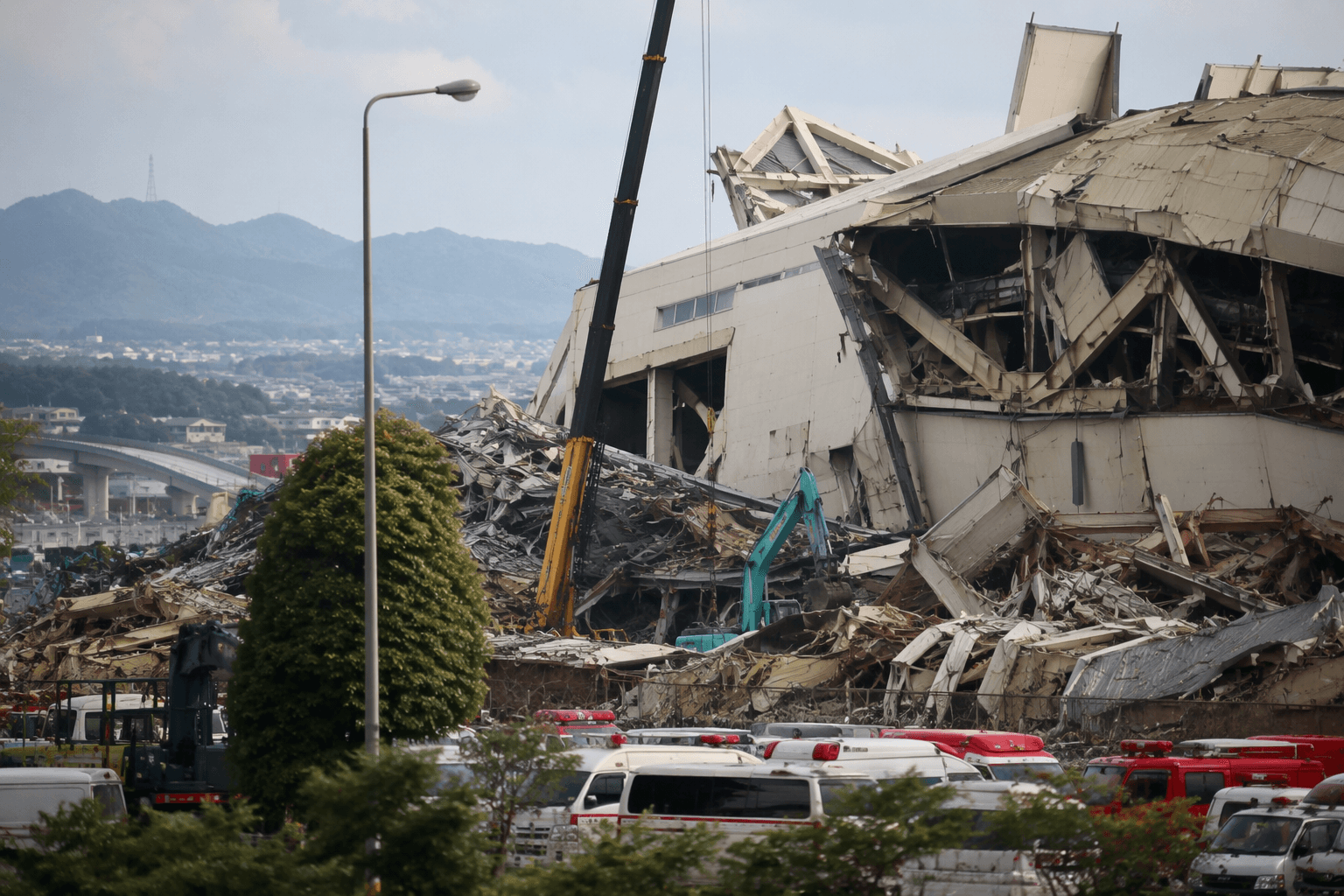
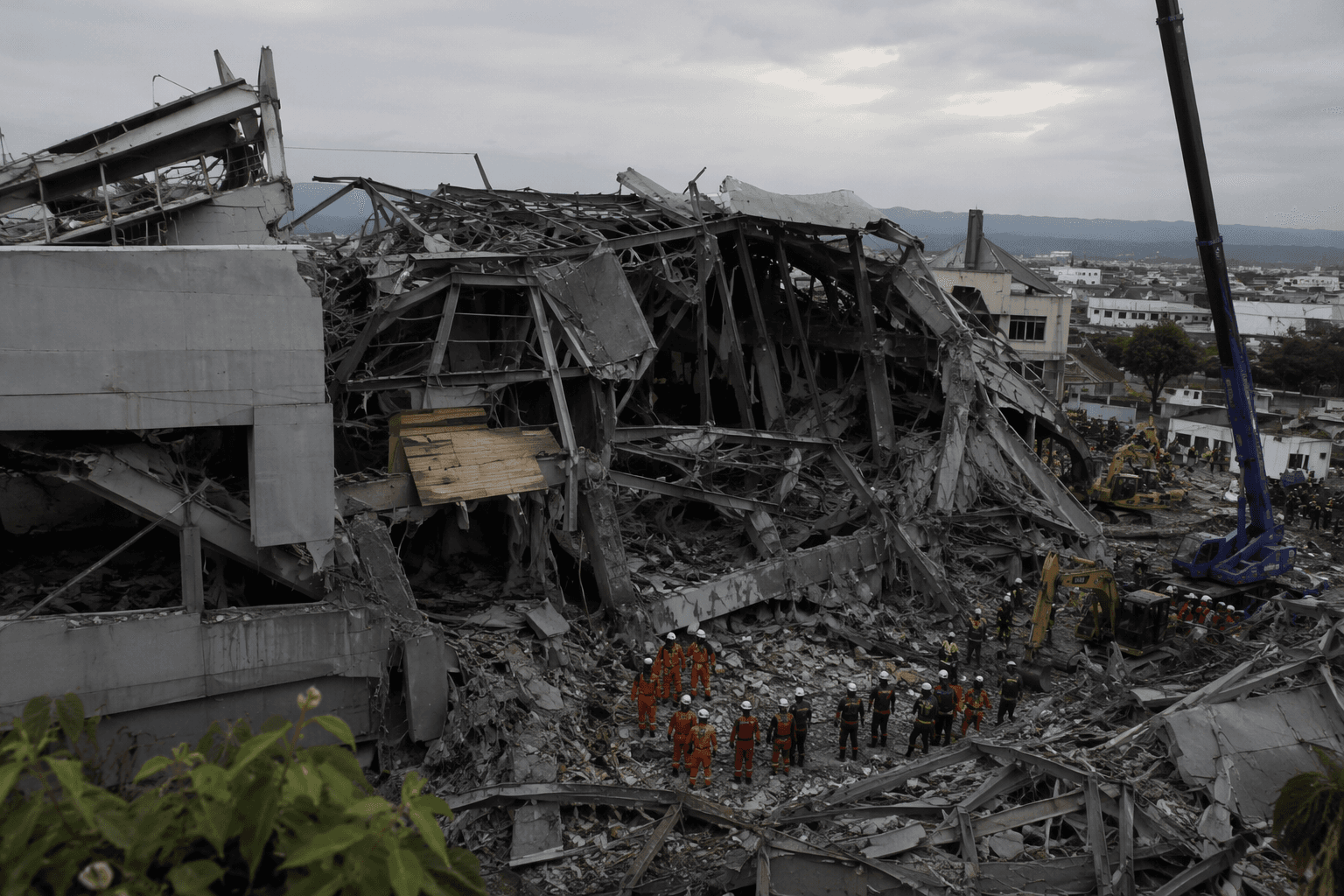
The death toll from the powerful earthquake in Japan’s southern Kyushu region rose to 23 as rescuers pulled survivors from a collapsed mall in Kumamoto, with the window to find more people narrowing by the hour. The hardest-hit area was Kumamoto prefecture, where the shaking knocked out power to thousands of homes, stopped rail services and briefly triggered tsunami and aftershock warnings.
Officials and rescuers were focused on damaged sites including Aeon Mall Kumamoto, where people were trapped after the quake and an explosion at the facade was reported. A building collapse was also part of the damage recorded in the area. The U.S. Geological Survey identified the quake as a magnitude 7.0 event about 6 kilometers east-southeast of Kumamoto, while Japanese authorities measured it at magnitude 7.1.
The disaster immediately tested systems that matter most in a country built around seismic risk. Rail lines halted, leaving commuters and emergency crews working around disrupted transport links, and the loss of electricity to thousands of homes added another layer of stress for families already dealing with damaged buildings and the threat of aftershocks. The warnings were short-lived, but the impact on daily movement and emergency response was immediate.
The scale of the response also recalled the region’s trauma from April 14 and 16, 2016, when two consecutive Kumamoto earthquakes struck with a peak seismic intensity of 7, unprecedented in the prefecture’s recorded history, according to Kumamoto University. That disaster caused the most serious damage ever recorded in the area, and AP video coverage said it killed 50 people. For many in Kumamoto, the latest quake reopened a past that was never far from memory.
The rising death toll, from 13 in earlier coverage to 18 and then 23, showed how quickly a rescue operation can turn into a recovery effort when a strong quake hits a densely populated area with commercial buildings, transit lines and residential neighborhoods in the path of destruction. In Kumamoto, the work now is not only about pulling people from rubble, but about measuring how much of Japan’s disaster readiness held and where it failed when real stress hit.
This article was produced by Prism’s automated news system from verified source data, official records, and press releases, then run through automated quality and moderation checks before publishing. The system is built and supervised by the people who set the standards it runs under. Read our full AI policy.
Did this article answer your question?