Japan quake halts Toyota plants, exposing manufacturing vulnerability
Toyota halted three plants in southern Japan after a 7.1 quake in Kumamoto, where roads were damaged and power failed for thousands. The stoppage quickly spread into supplier and chip networks.
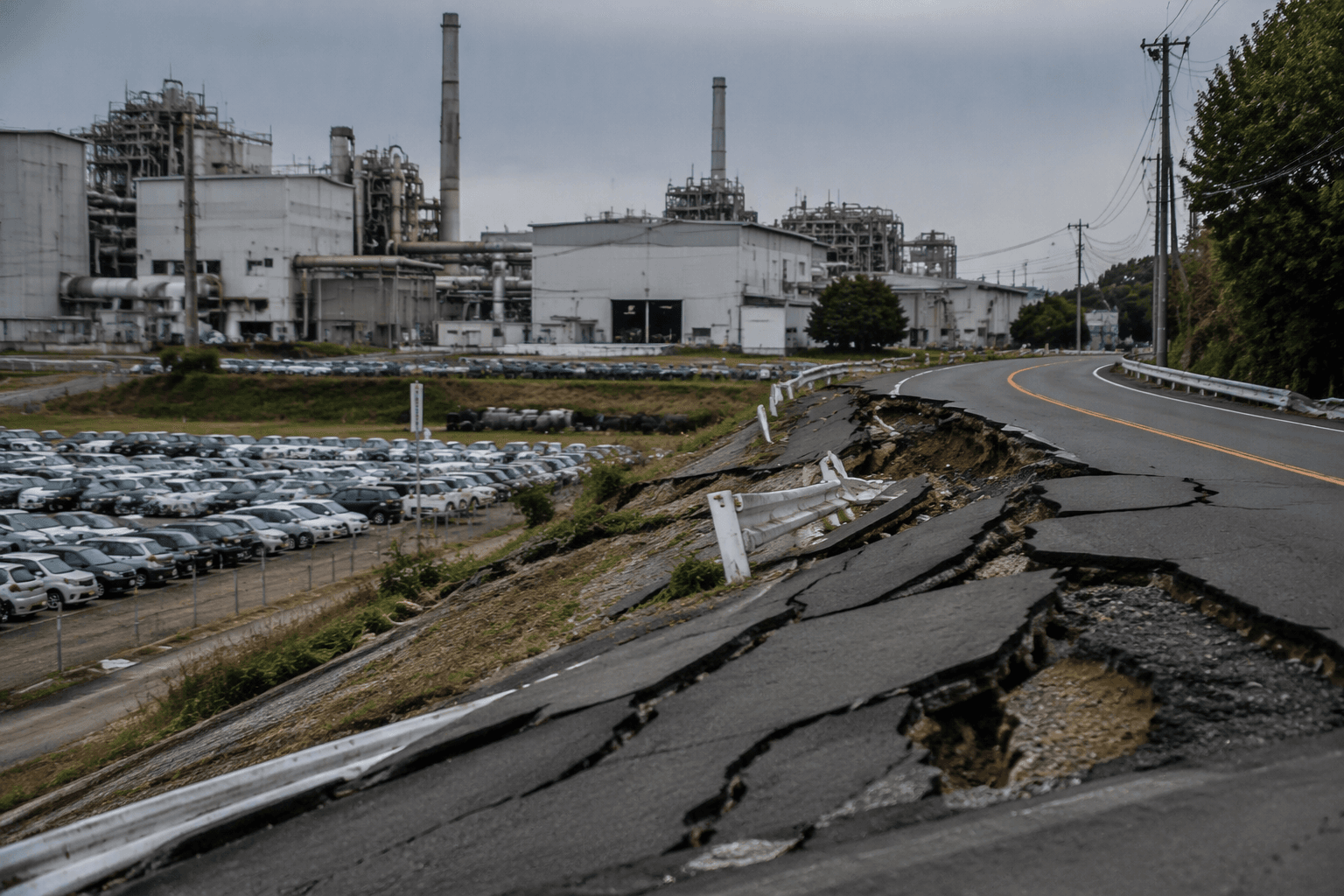
Toyota halted operations at three plants in southern Japan after a 7.1-magnitude earthquake in Kumamoto prefecture damaged roads and knocked out power to thousands of homes. The company had resumed production only hours earlier after stopping work the previous day, underscoring how quickly a seismic event can interrupt Japan’s tightly timed auto supply chain.
Toyota said it was weighing the impact on suppliers and logistics, a crucial point in a manufacturing system built on synchronized deliveries and limited inventories. In Japan, automakers typically stop lines at the first significant shaking, then inspect machinery, buildings and transport links before allowing workers back in. That caution is meant to protect employees and avoid equipment damage, electrical faults or unsafe restarts that could turn a brief tremor into a larger industrial accident.
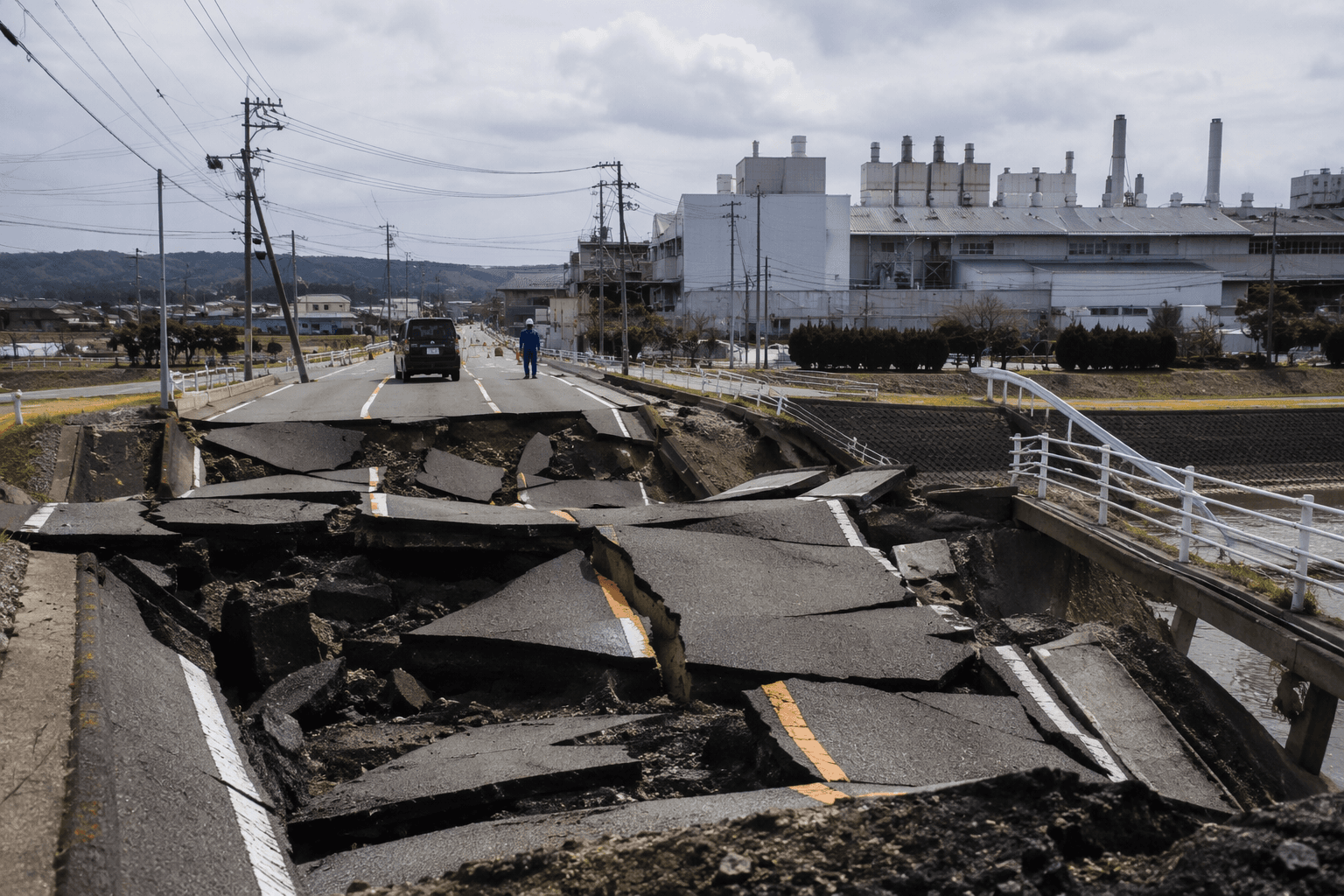
The disruption did not stay inside Toyota’s gates. Other automakers, including Honda and Nissan, also faced plant suspensions or evaluations, and later assessments showed the quake had reached beyond cars into semiconductor-related production in Kyushu. Reuters said the event was testing supply-chain resilience across the region, where vehicle assembly, parts makers and chip-related factories sit close enough to share the same transport and power vulnerabilities.
For markets outside Japan, the immediate issue is not only whether Toyota can restart quickly, but how long the delay lingers in shipping schedules and component flows. Japan remains a major exporter of vehicles and parts, so even a short pause can affect overseas dealers, suppliers and logistics companies that depend on predictable deliveries. In the United States, that kind of disruption can tighten inventories at dealerships and slow the arrival of replacement parts if missed production slots and transport delays stack up.
The warning is familiar in Japan’s auto sector. Automotive News has noted that the industry suffered major disruptions after the 2011 earthquake and tsunami, which it estimated cost Japan’s auto industry $5.6 billion. Companies have since spread suppliers, added backup systems and improved disaster plans, but the Kyushu quake showed how quickly those safeguards are tested when roads crack and power fails at the same time. For Toyota and its peers, the challenge was to restart safely without letting a local tremor cascade into a wider manufacturing delay.
This article was produced by Prism’s automated news system from verified source data, official records, and press releases, then run through automated quality and moderation checks before publishing. The system is built and supervised by the people who set the standards it runs under. Read our full AI policy.
Did this article answer your question?