Japan shifts yen defense to surprise traders, target speculators
Japan is moving away from telegraphed yen intervention and toward surprise strikes on short sellers, after a record 11.7 trillion yen defense failed to stop the slide.
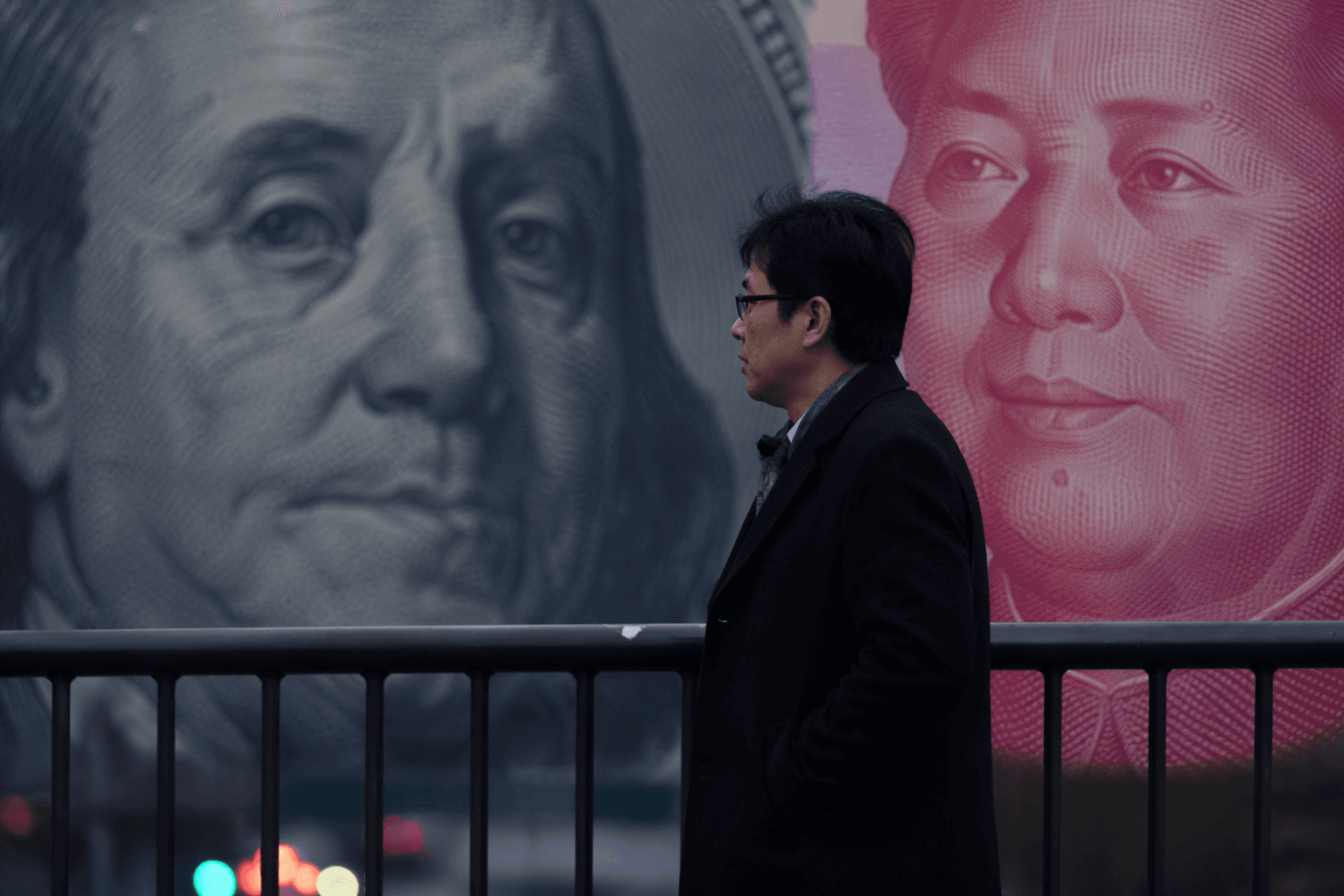
Japan's finance authorities are moving away from publicly warning traders before yen intervention, preparing instead to spring surprise action on speculative short positions. The Ministry of Finance can step in abruptly without naming a specific exchange-rate trigger, a sharper break from the long habit of jawboning markets first.
The shift comes after Japan spent a record 11.7 trillion yen, or about $72 billion, intervening in foreign-exchange markets between late April and early May. That effort gave the yen only a brief lift before the currency resumed falling, as traders sold into official support. The yen had slid to around 162.66 per dollar before edging slightly stronger in Tokyo.

Officials are now trying to make that trade more dangerous. Rather than defend a clearly marked line in the sand, the new approach raises the cost of betting against the currency and keeping yen bears off balance.
The Bank of Japan’s tone is helping shape that posture. Deputy Governor Ryozo Himino said on June 19 that the central bank would continue to raise interest rates while watching for underlying inflation to overshoot its 2% target. He also said currency moves matter for Japan’s economy and inflation because a weak yen raises import costs and can add to underlying price pressures. In its semiannual currency and monetary control report, the Bank of Japan said the economy had recovered moderately, but that some weakness remained partly tied to the Middle East situation.
A wide interest-rate gap with the United States and continued hawkish signaling from the Bank of Japan are both encouraging yen selling. On June 30, the yen fell to its weakest level against the dollar since 1986.
This article was produced by Prism’s automated news system from verified source data, official records, and press releases, then run through automated quality and moderation checks before publishing. The system is built and supervised by the people who set the standards it runs under. Read our full AI policy.
Did this article answer your question?