Japan spends $73.5 billion to defend yen, with limited effect
Japan spent $73.5 billion defending the yen, only to see it hover near the same level that triggered the intervention.
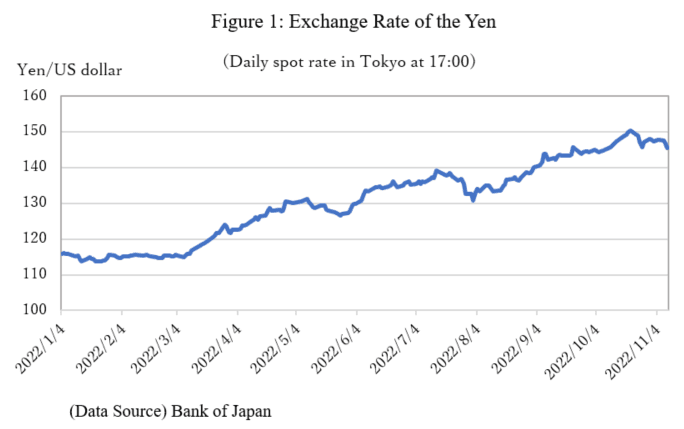
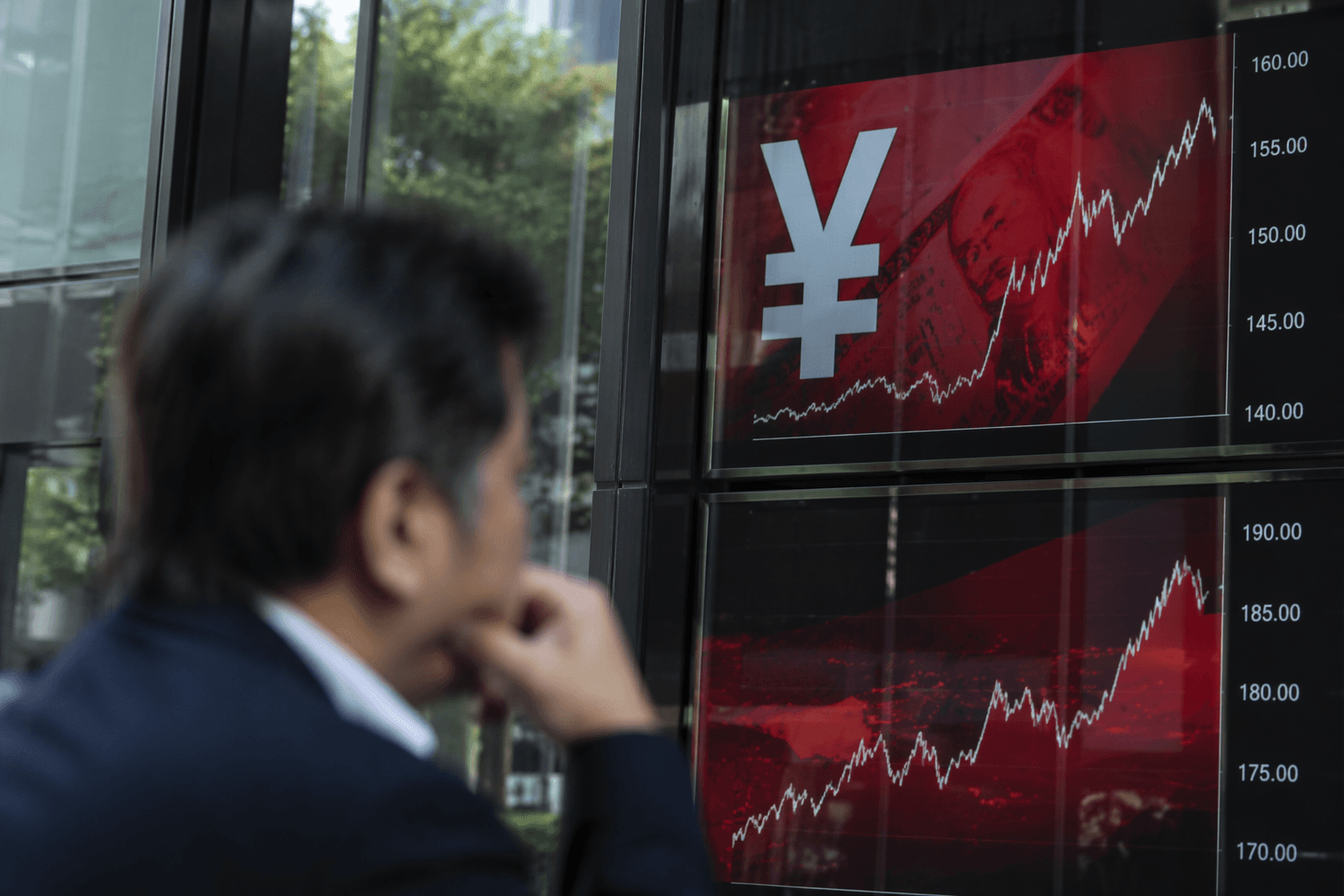
Japan poured 11.7 trillion yen, about $73.5 billion, into foreign-exchange markets over the past month, yet the yen remained close to the level that forced Tokyo to act in the first place. The scale of the intervention, confirmed in Ministry of Finance data, shows how far officials were willing to go to slow a slide that pushed the currency past 160 per dollar.
The spending briefly jolted the market. On April 30, the yen surged from a low of 160.725 to as strong as 155.50, a sharp move that showed how intervention can squeeze speculators when liquidity is thin. But the relief did not last. Traders had already suspected officials were acting around the turn of the month and during Golden Week, when holiday trading thins out and even large orders can have an outsized effect. The Ministry of Finance’s monthly release covered March 30 through April 27 and was published April 30, while the quarterly release for January through March 2026 followed on May 12, a reminder that intervention data arrive with a lag and are often inferred before they are confirmed.
That lag matters because the underlying pressure on the yen has not gone away. The Bank of Japan kept its uncollateralized overnight call rate around 0.75 percent on April 28, by a 6-3 vote, while the Federal Reserve kept its federal funds target range at 3.5 percent to 3.75 percent effective April 30. That wide gap between Japanese and U.S. rates continues to favor dollars over yen and helps explain why official selling can slow a move without changing the direction of the market.

For the United States, the message is bigger than Japan’s currency alone. Persistent yen weakness reflects global interest-rate divergence, with higher U.S. yields drawing capital and keeping pressure on the dollar-yen rate. It also affects trade competitiveness: a cheaper yen makes Japanese exports more attractive, while raising the cost of imports at home. That is one reason Tokyo is so sensitive to the currency’s decline, especially as Japan’s consumer prices stayed elevated, with the Statistics Bureau of Japan saying the all-items CPI rose 3.2 percent in 2025 from a year earlier and food prices climbed 6.8 percent.
The intervention archive, which goes back to April 1991, shows that Japan has fought this battle before. What stands out now is how quickly the market can absorb even record firepower when rate differentials remain wide, holiday liquidity is thin and global investors still prefer the dollar.
This article was produced by Prism’s automated news system from verified source data, official records, and press releases, then run through automated quality and moderation checks before publishing. The system is built and supervised by the people who set the standards it runs under. Read our full AI policy.
Did this article answer your question?